The Unseen Engine: How R&D is Shaping the Future of Live Experiences
The Unseen Engine: How R&D is Shaping the Future of Live Experiences
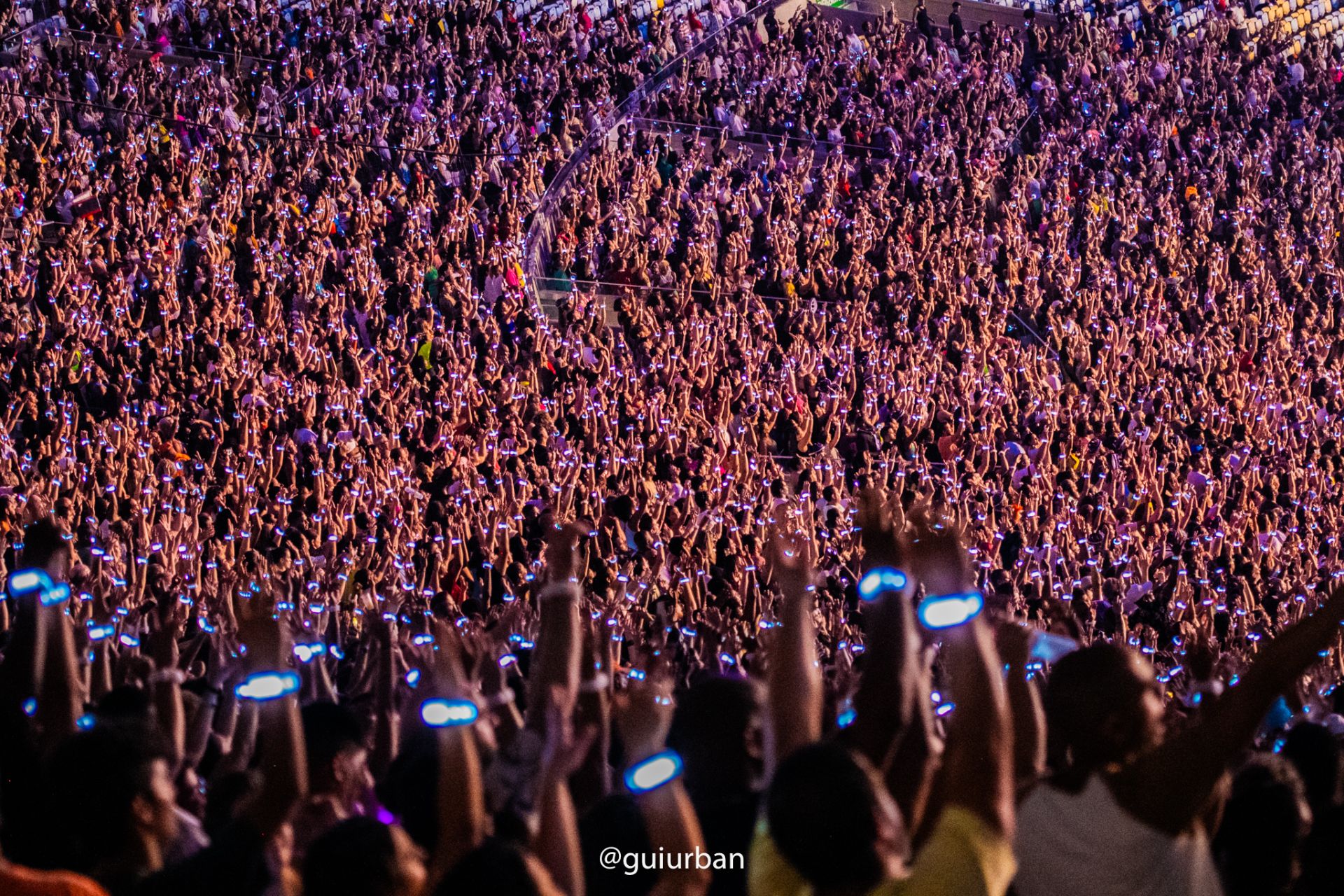
In the world of live events, the most powerful moments often feel like magic. A stadium suddenly unified in a single pulse of light; a corporate audience transformed into a living, breathing brand statement; a festival crowd moving as one, their collective energy visualized in a symphony of colour. But behind every one of these seemingly effortless spectacles lies an unseen engine of innovation: a relentless, and often years-long, process of research and development.
This isn’t just about making lights blink. It’s about understanding the intricate dance of human psychology, the technical demands of global logistics, and the artistic vision of the world’s most ambitious creators. It’s a culture of curiosity, a willingness to dismantle the present to build the future. At Xylobands, this R&D culture isn’t a department; it’s the current that runs through everything we do, from the initial sketch of an idea to the roar of a crowd in a sold-out arena.
From a Field of Lights to a Technical Roadmap
The journey of any transformative technology begins with a simple, human-centred question. For us, it was born from a moment of shared emotion at a Coldplay performance during Glastonbury Festival. The lyric “Lights will guide you home” sparked a question: What if the audience themselves could become the lights? What if we could create a tool that didn’t just illuminate a space, but unified the people within it? This question was the genesis of the first Xyloband, but it was a rigorous R&D process that turned that spark into one of the most iconic LED crowd experiences in live music history.
The early days were a whirlwind of prototyping, testing, and refinement. How do you ensure the radio-frequency signal is robust enough to command 80,000 wristbands in a packed stadium without fail? How do you design a closure that is secure, comfortable, and easy to deploy at scale? How do you create a product durable enough to survive a world tour, yet sustainable enough to align with modern environmental standards? Answering these questions required a deep dive into material science, battery technology, RF engineering, and industrial design.
The Collaborative Core of Innovation
True innovation in the live event space is never a solo act. It’s a deeply collaborative process between our technical teams and the creative visionaries we serve. A tour manager for an artist like Wizkid or Maluma has a different set of challenges than the broadcast director for a global television event like Eurovision or the technical producer for a high-stakes corporate launch for a brand like Formula One.
Our R&D process is built on listening. We absorb the unique challenges of each project, translating artistic goals and logistical constraints into a technical roadmap. This is how custom solutions are born.
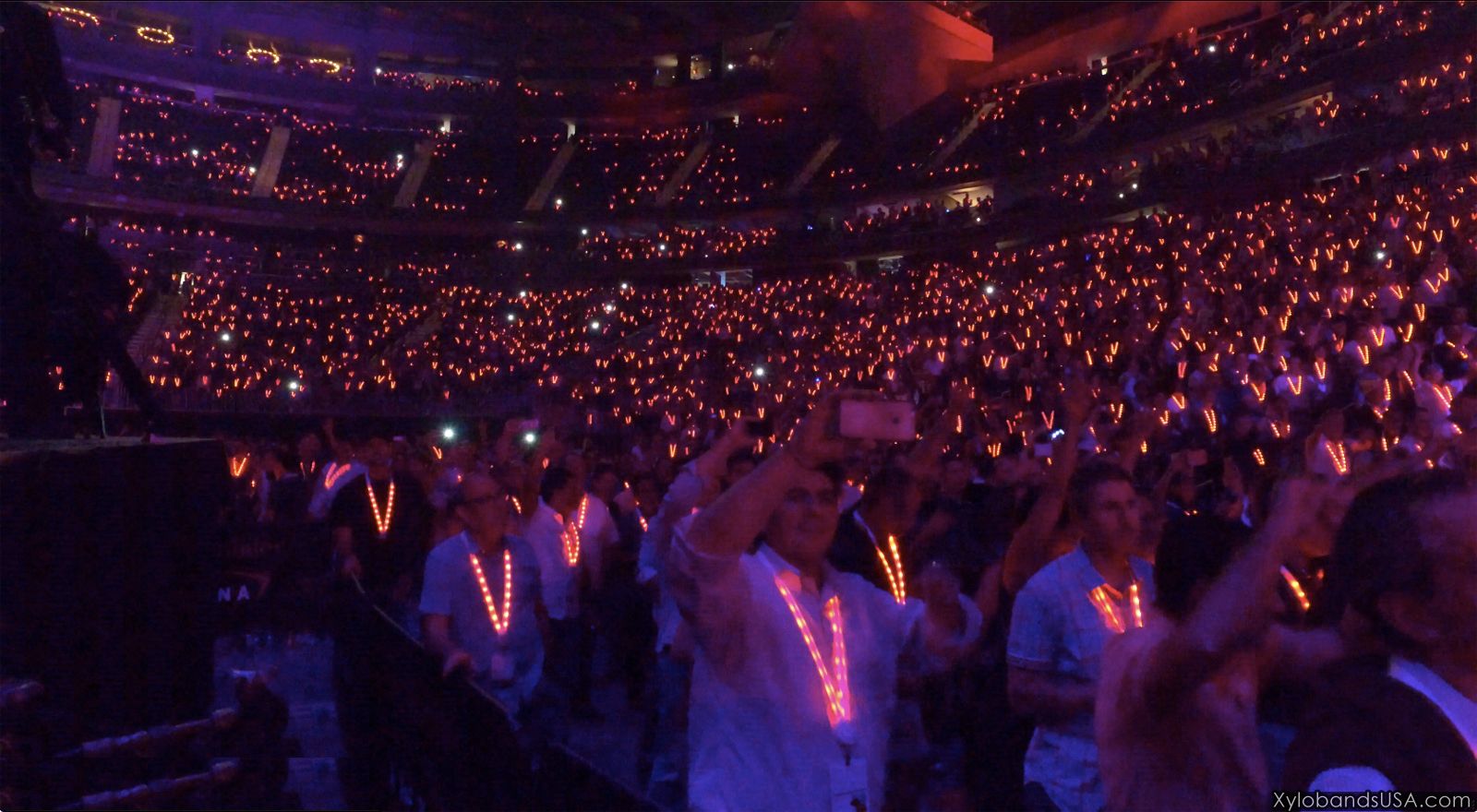
For the 75th anniversary of Formula 1, for instance, the challenge was multi-layered. It required not just illuminating a crowd at The O2 Arena, but also creating distinct visual identities for ten different teams, various hospitality tiers, and general admission. The solution was a custom XyloPendant, a bespoke piece of wearable LED technology designed for complex audience segmentation. This level of granular control—turning specific sections of the arena into canvases of team colours—is a direct result of an R&D engine that thrives on solving complex, real-world problems. It’s this deep partnership that transforms immersive event technology from a novelty into a powerful storytelling tool.
Engineering for the Extremes: The NASA Standard
Sometimes, the ultimate test of your technology comes from a client whose standards are, quite literally, astronomical. When NASA approached Xylobands, it presented a unique challenge. This wasn’t about creating a light show for a rock concert; it was about connecting a highly technical and discerning audience of scientists, engineers, and aerospace leaders. The goal was to create a moment of shared experience and wonder that resonated with a group of people dedicated to pushing the boundaries of human knowledge.
Powering an event for NASA demanded a level of precision and reliability that left no room for error. The successful deployment of 1,000 Mk5 wristbands was a testament to an R&D process that obsesses over the details. It validates the robustness of our systems and our ability to perform under pressure, proving that the same core technology that ignites a stadium can also create a moment of profound connection for the brightest minds on the planet. This is the power of a mature innovation engine: the ability to scale not just in quantity, but in quality and context.
The Future, Forged in Light
The landscape of live events is in constant flux. Audiences expect more, artists dream bigger, and brands demand deeper engagement. The R&D culture that will succeed in this environment is one that is never satisfied. It’s about constantly asking “what’s next?”
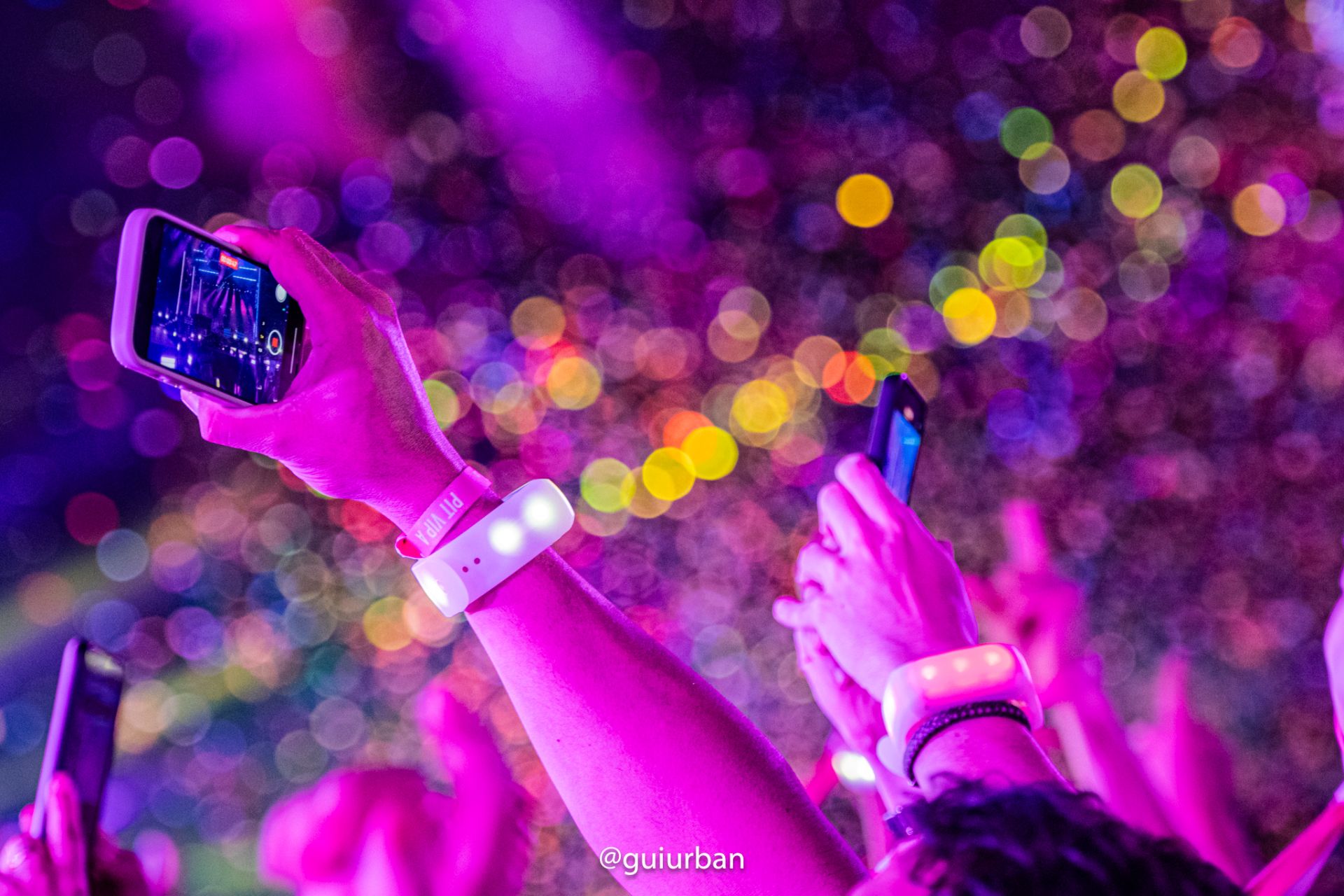
Today, that question is leading us into new territories: exploring more advanced audience segmentation, developing more sustainable products, and integrating our LED event technology with other immersive events platforms to create even richer sensory experiences. From festival wristbands that react to the beat of the music at PRIMER Festival to custom LED wristbands that become a core part of a brand’s identity, the mission remains the same: to use light as a language. A language of unity, of emotion, and of shared human experience.
The most exciting part of this journey is that the work is never truly done. The next great leap in LED crowd experiences is already taking shape in a lab, on a schematic, in a conversation with a client who has a new, audacious dream. The unseen engine keeps running, and the future of light has never been brighter.