The Unseen Engine: Deconstructing the R&D Culture of a Global Events Technology Brand

The Illusion of Effortless Spectacle
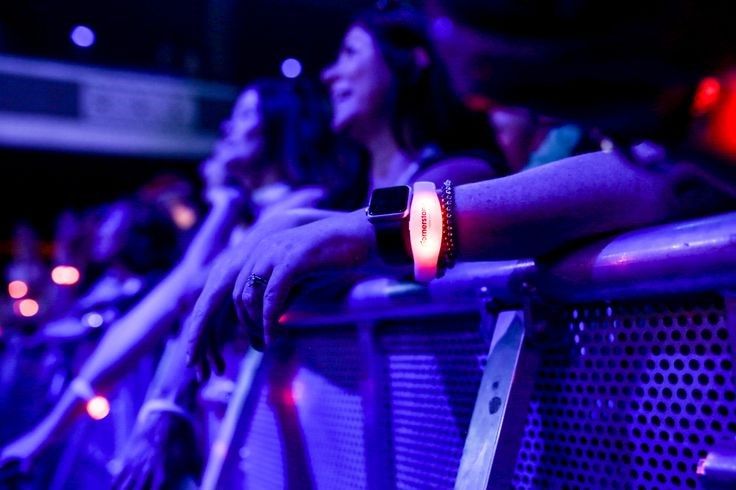
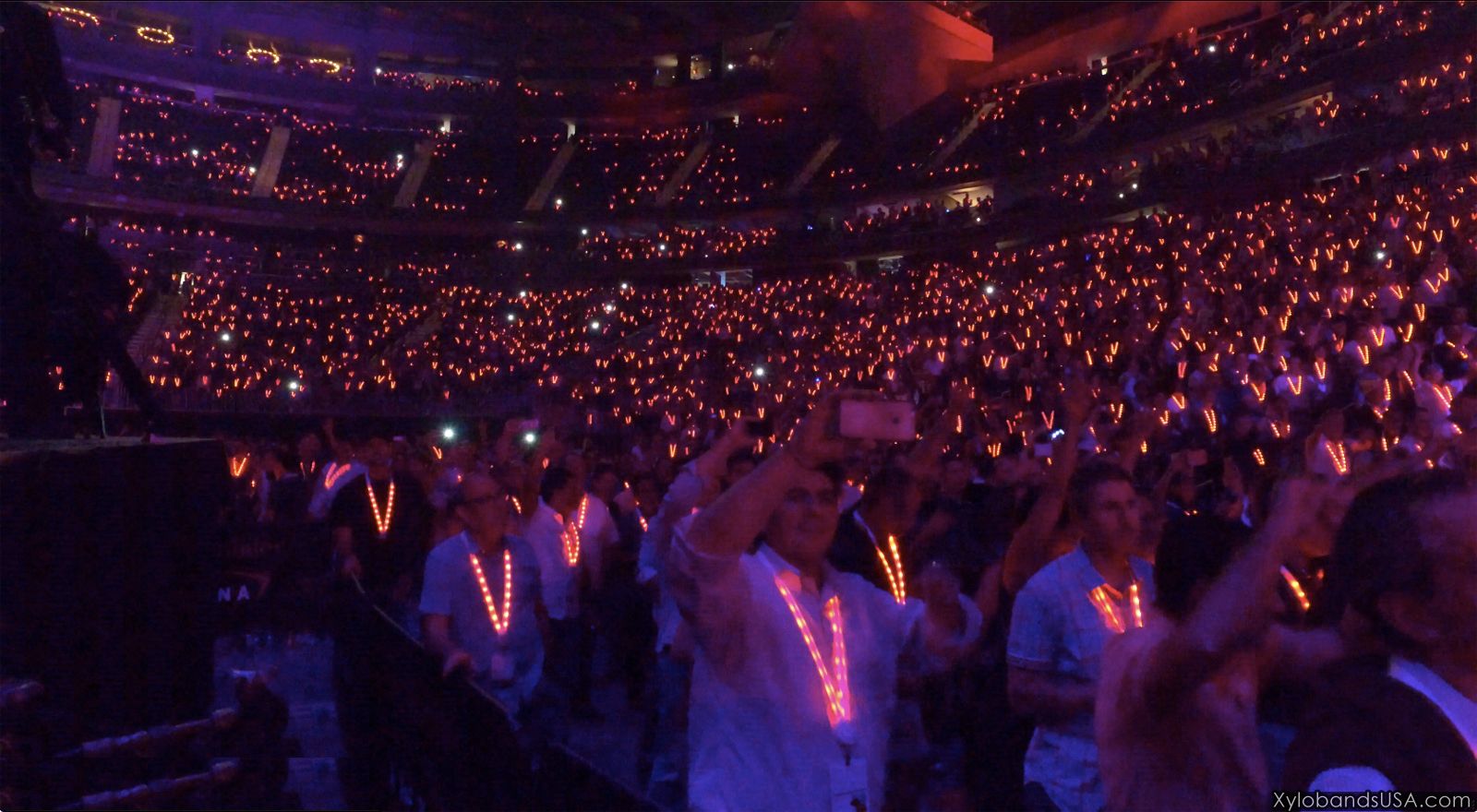
To the audience, it feels like magic. A stadium erupts in a synchronized cascade of light, a festival crowd becomes a single, pulsing organism, or a corporate ballroom transforms into an immersive brand universe. These moments of collective awe are the currency of the modern live experience. They feel effortless, spontaneous, and perfectly timed. But behind this illusion lies a hidden engine—a disciplined, relentless culture of research and development that operates years ahead of the curve.
For a company like Xylobands, born from a flash of inspiration at a Coldplay concert, the initial idea was the spark, not the fire. The journey from a single concept—turning an audience into a light show—to a global technology platform deployed at over 10,000 events is not a story of one eureka moment. It’s a story of a thousand smaller ones, forged in the less glamorous, deeply technical world of R&D. It’s a culture where the perpetual prototype isn't just a philosophy; it’s the daily mandate.
Principle 1: The Problem is the Prompt
Innovation rarely begins in a vacuum. It begins with a problem. For artists on global tours, for producers of international sporting events like the Formula One or Davis Cup, and for brand marketers aiming for genuine connection, the challenges are concrete and immediate.
- How do we unify a 50,000-seat stadium and make every single person feel like part of the show?
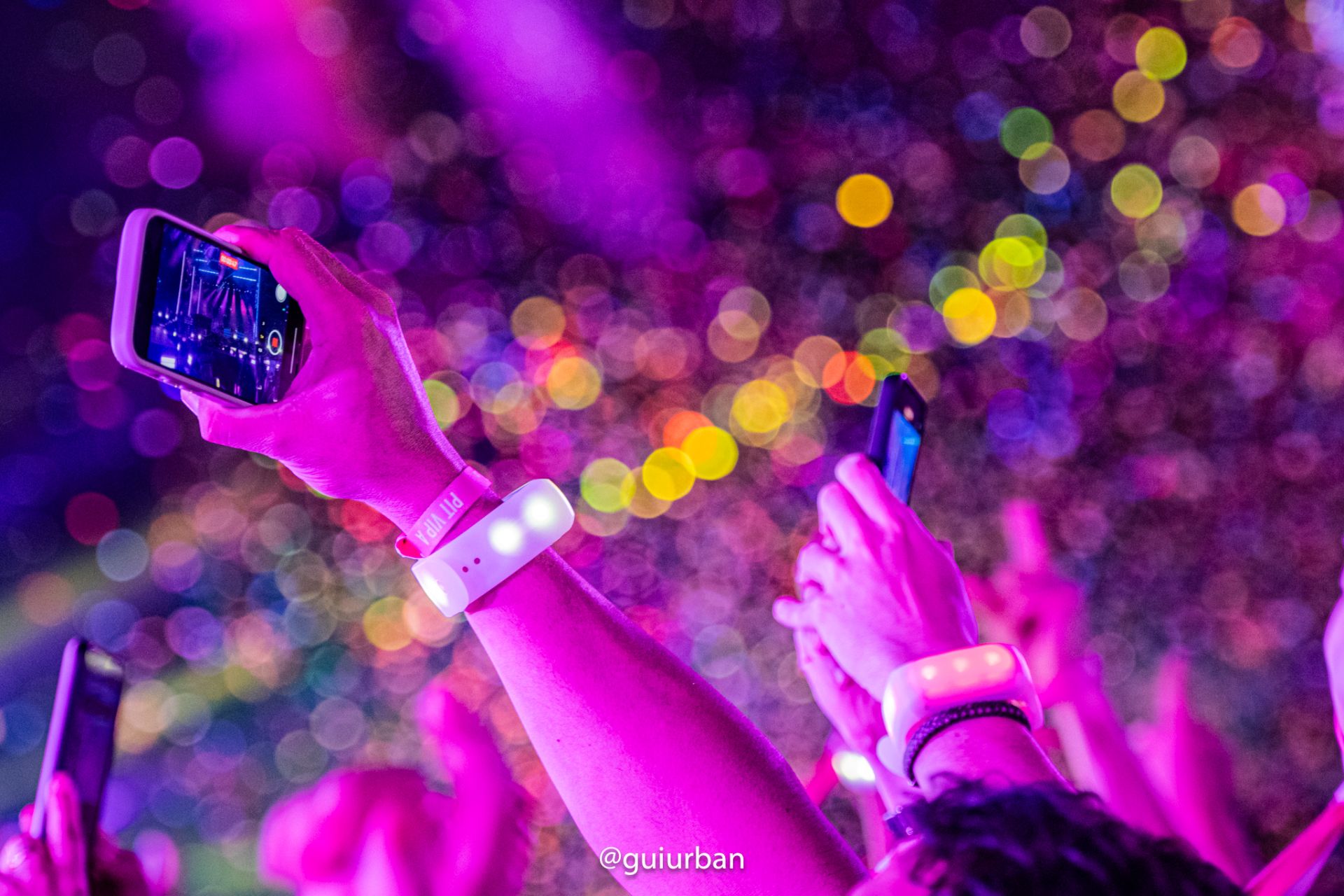
- How can our wearable LED technology withstand the rigors of a multi-date festival tour and unpredictable weather?
- How do we create a broadcast-ready spectacle that captivates both the people in the room and the millions watching at home?
Our R&D process doesn’t start with a solution looking for a problem. It starts with deep collaboration, listening to the needs of tour managers, lighting designers, and creative directors. The development of custom LED Lanyards for a massive corporate event or rugged, reusable festival wristbands for events like Greece's PRIMER festival are direct responses to client-side challenges. The brief from the client becomes the prompt for the engineer.
Principle 2: Iteration Over Invention
The myth of the lone inventor toiling away in secret is a powerful one, but it’s largely a fiction in the world of high-stakes event technology. The real work is iterative, incremental, and collaborative. Our first-generation LED bands were revolutionary, but they are worlds away from the sophisticated RF-controlled systems we deploy today. Each evolution—from improved battery life and brighter LEDs to enhanced durability and more complex programming capabilities—is the result of painstaking, continuous improvement.
Consider the journey of our products. The original Xyloband proved a concept. Subsequent versions, like the Mk5 and the Xylo Lux, were refined based on real-world data and feedback. We learned from every deployment, from intimate corporate event activations to stadium-filling concerts for artists like Maluma and Wizkid. Every broken clasp, every signal drop, every weather-related failure is a data point—a lesson that gets fed directly back into the R&D cycle. This is the essence of the perpetual prototype: the product is never truly finished.
Principle 3: Engineering for Failure (So You Don’t)
When you’re powering a live broadcast for a client like ITV or a global sporting final, there is no room for error. The mandate is zero-failure. This unforgiving environment shapes an R&D culture that is obsessed with stress-testing and redundancy. Before any piece of immersive event technology reaches the arena floor, it has been subjected to a gauntlet of simulated abuse.
"In the live events space, you only get one shot to get it right. Your R&D has to be more rigorous than the most demanding environment your product will ever face. You have to imagine the worst-case scenario—and then engineer for something even tougher."
This means subjecting radio controlled LED wristbands to extreme temperatures, vibration tests that mimic air freight and road travel, and signal interference tests that replicate a crowded stadium environment. We don’t just test for success; we actively try to make our systems fail in the lab so that they don’t in the field. This obsession with reliability is the unseen foundation upon which all spectacular LED crowd experiences are built.
The Engine Room of the Spectacle
Ultimately, the R&D culture of a leading event technology brand is a study in contrasts. It must be visionary enough to imagine the future of immersive events, yet pragmatic enough to solve the logistical challenges of today. It must be creative, yet ruthlessly disciplined. It must celebrate big ideas, but obsess over the smallest details.
The next time you find yourself in a sea of light at a concert, festival, or sporting event, remember the unseen engine humming beneath the surface. It’s an engine of relentless iteration, disciplined problem-solving, and a deep-seated commitment to engineering moments of pure, unadulterated awe. The magic is real, but it isn’t an accident. It’s by design.