The Unseen Journey: A Masterclass in Global Event Logistics

The Unseen Journey: A Masterclass in Global Event Logistics
The roar of the crowd, the blast of the lights, the shared pulse of thousands of fans becoming one. These are the moments that define live events. But behind every flawless spectacle is an unseen journey of meticulous planning, military-grade logistics, and a deep understanding of the global supply chain. For event producers and tour managers, the show itself is only the final act in a long, complex drama of freight, customs, and international coordination.
Moving high-value, technologically sensitive equipment across continents is not for the faint of heart. It’s a specialized discipline where success is measured by what the audience doesn’t see: the seamless execution that ensures the right gear is in the right place at the right time, every single time.
“An arena show in London is one thing. A multi-country stadium tour or a global brand activation is a completely different beast. The logistics aren’t just part of the job; they are the job.”
The Global Handshake: Customs and Carnets
The first and often highest hurdle in global logistics is customs. Every country has its own unique rulebook, and navigating it requires both expertise and preparation. The ATA Carnet, often called the "passport for goods," is an indispensable tool. This international customs document permits the temporary, tax-free, and duty-free export and import of goods for up to one year. For a touring production carrying everything from mixing consoles to sophisticated wearable LED technology, a carnet streamlines the process, but it’s not a magic wand.
Properly classifying goods is paramount. A mislabeled crate or an incorrect commodity code can lead to costly delays, inspections, and even seizure of assets. We’ve learned that granular detail is non-negotiable. Every case must be documented with its precise contents, weight, dimensions, and value. For our radio controlled LED wristbands, this means specifying not just the product but also the batteries, transmitters, and supporting infrastructure. This level of detail provides customs officials with the confidence to expedite clearance.
The Supply Chain as an Instrument
For a company like Xylobands, which has powered over 10,000 events in more than 70 countries, the supply chain is as critical as our R&D lab. It’s not just about shipping boxes; it’s about choreographing a global ballet. Whether it’s delivering festival wristbands for PRIMER in Greece or custom-branded LED Lanyards for a Formula One celebration in London, the logistical strategy is bespoke.
Key considerations include:
- Mode of Transport: Air freight is fast but expensive. Sea freight is cost-effective for large volumes but requires longer lead times. Road freight is essential for the final mile. A multi-modal strategy is often the most resilient, blending different transport types to balance speed, cost, and reliability.
- Redundancy and Contingency: What happens if a flight is cancelled, a ship is delayed, or a truck is held up at a border? Successful global operations build in redundancy. This might mean splitting shipments, having backup inventory in regional hubs, or pre-positioning critical assets long before they are needed.
- Local Expertise: A trusted freight forwarder or logistics partner with on-the-ground knowledge is invaluable. They understand local regulations, port dynamics, and transportation nuances in a way no global manual ever could. They are the unsung heroes who navigate the final, critical miles of the journey.
The Human Element: Your On-Site Strike Team
Once the equipment clears customs and arrives at the venue, a new phase of the operation begins. This is where a trained, professional deployment team becomes essential. Our technicians aren’t just delivering a product; they are delivering an experience. They are the final link in the chain, responsible for inventory management, distribution, and ensuring every single one of the thousands of Xylobands is ready to become part of the show.
This is a critical component of risk management. For high-profile events like the live-streamed Maluma concert in Medellín or Wizkid’s historic sell-out run at The O2, there is no room for error. The deployment team is the client’s assurance that the technological element of their show will be flawless. They are the ones who manage the distribution, the battery life, the signal integrity, and the collection or recycling post-event, ensuring the entire activation is seamless from start to finish.
The Future of Event Logistics
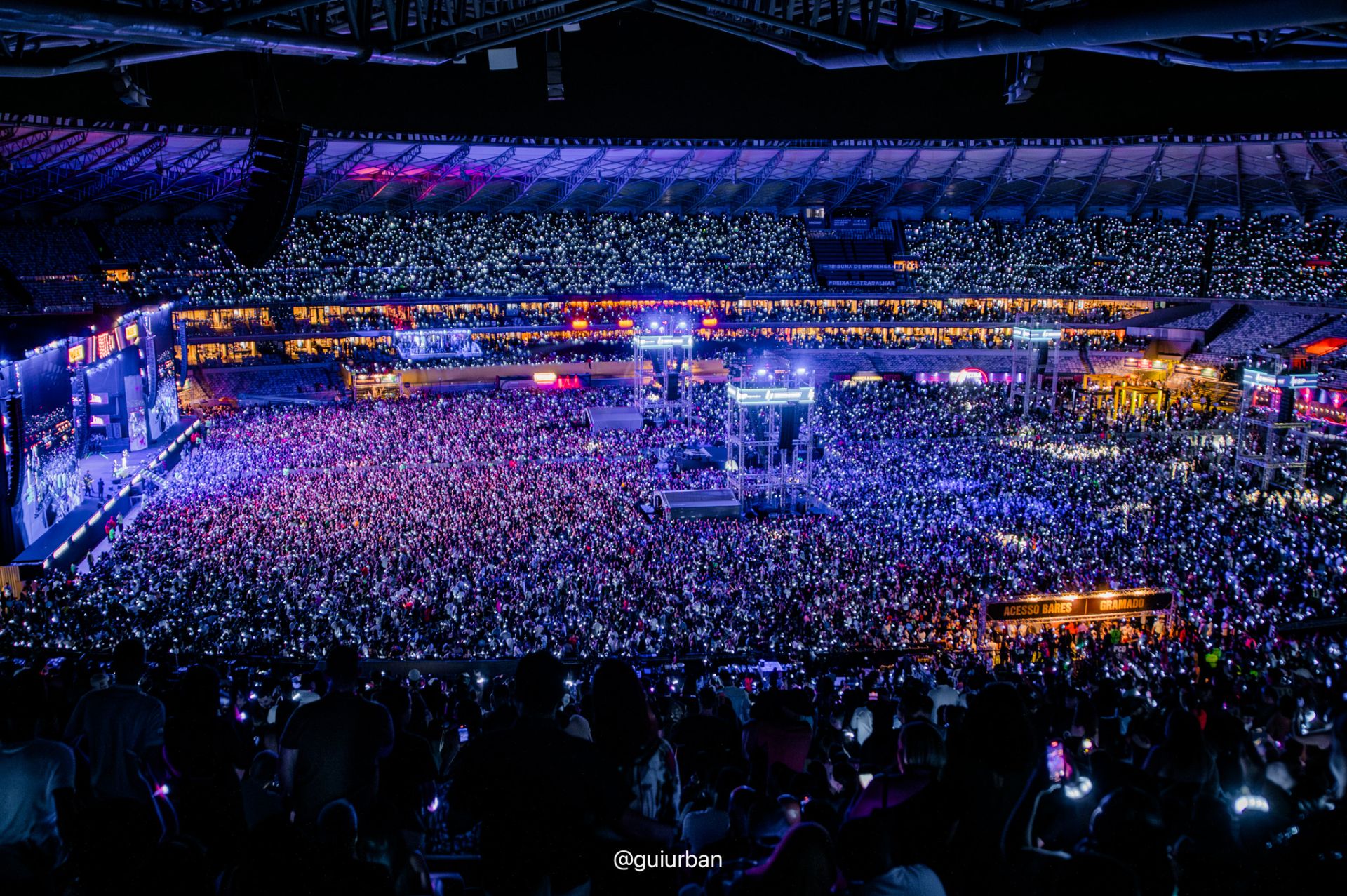
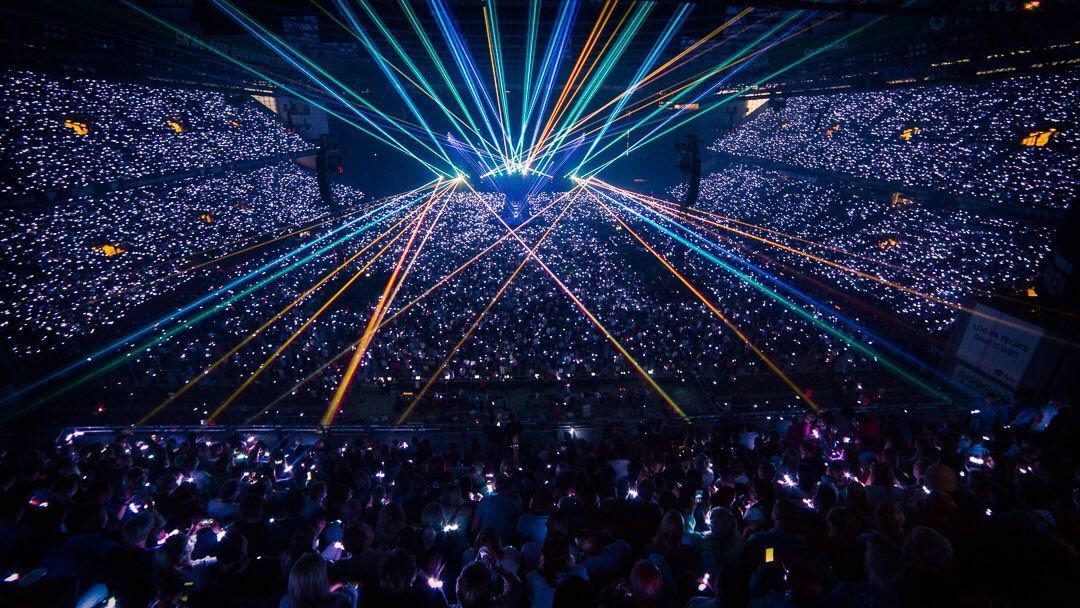
As live events grow more ambitious and technologically complex, the science of logistics will only become more critical. The rise of immersive events and sophisticated corporate event activations demands a new level of precision. The audience now expects to be part of the show, to be enveloped in light and sound. Delivering these LED crowd experiences on a global scale depends entirely on the unseen journey that happens months before the doors open.
The logistical framework is the invisible architecture that supports the spectacle. It’s the quiet, determined work of planners, freight forwarders, and technicians who ensure that when the house lights go down, the only thing the audience feels is magic. It’s a testament to the fact that in the world of global live events, the most important performance often happens long before the show even begins.