The Unseen Network: Decoding Crowd Dynamics for Safer, Smarter Events
The Pulse Beneath the Roar
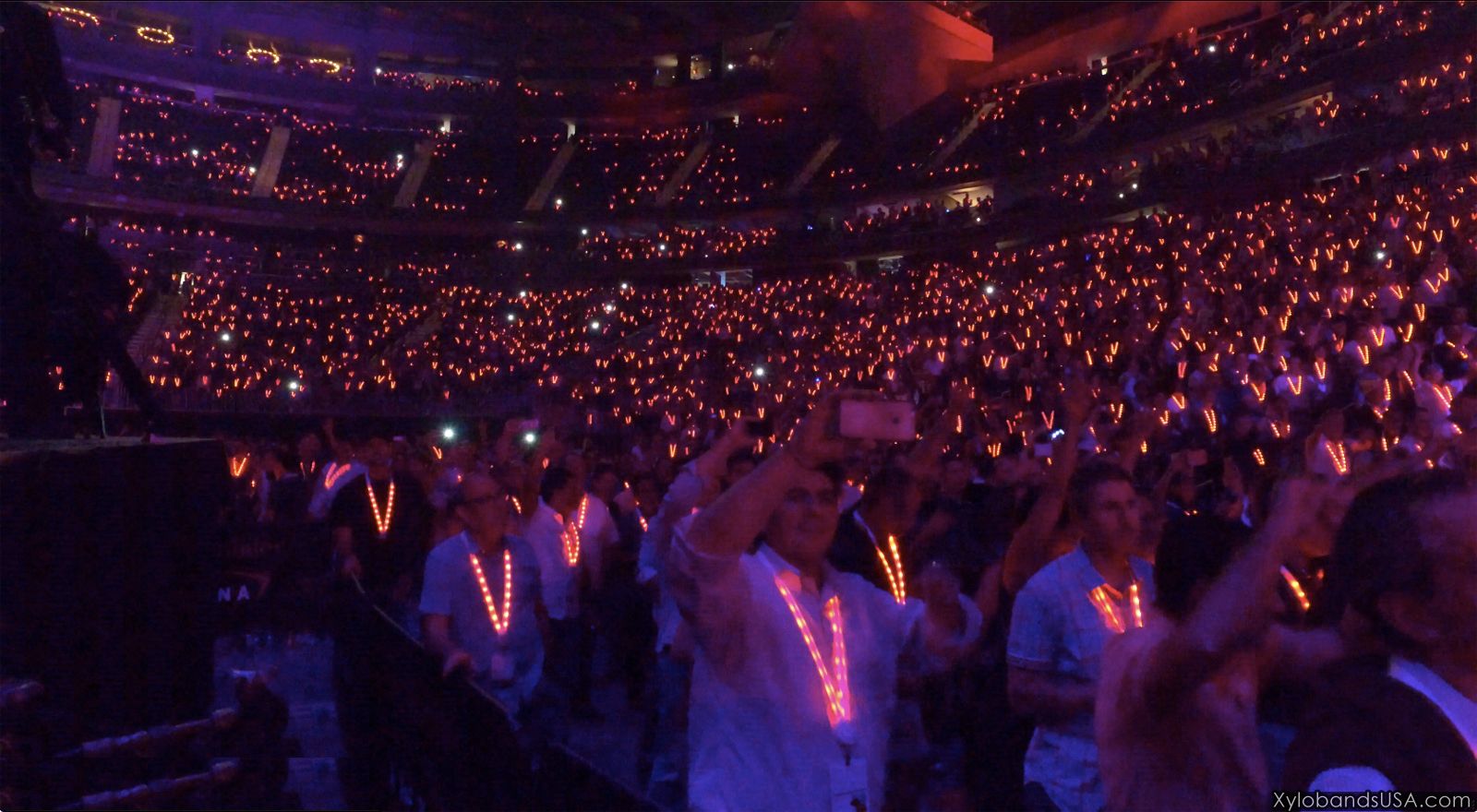
Picture a stadium, roaring with the energy of 50,000 fans. The artist hits the crescendo, and a wave of light washes over the audience, every single person a pixel in a vast, living canvas. It’s a moment of pure, collective euphoria. For decades, the primary challenge of live production was crafting these moments. But as events scale in size and complexity, a parallel challenge has emerged: managing the immense logistical and safety complexities of the crowds themselves.
Beneath the surface of the spectacle, a quiet revolution is underway. The same Immersive Event Technology that paints the audience with light is now providing a powerful new lens through which to understand them. We’re moving beyond simple spectacle to a place of deeper intelligence, where every point of light is also a point of data, creating an unseen network that is making mass gatherings smarter and fundamentally safer.
From Headcount to Human Cartography
Historically, crowd management has been a reactive discipline. Planners relied on static blueprints, historical data, and on-the-ground observation to manage ingress, egress, and flow. Security and medical teams would respond to incidents as they arose, often navigating dense, chaotic environments to reach a person in need. While effective to a point, this model has inherent limitations in the dynamic, unpredictable environment of a live event.
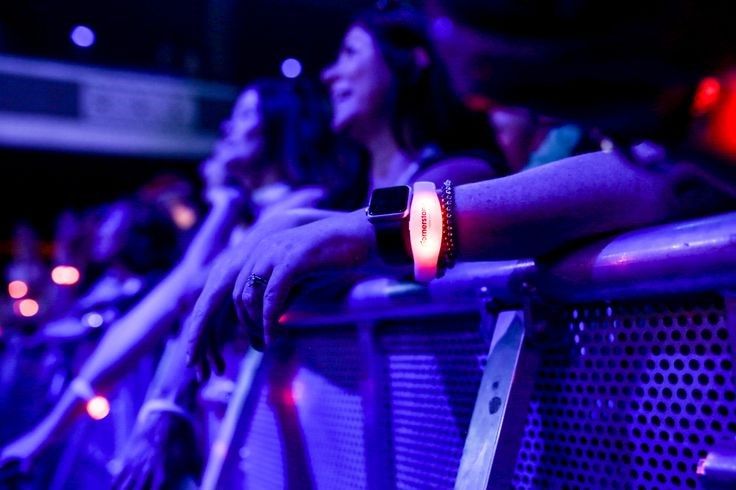
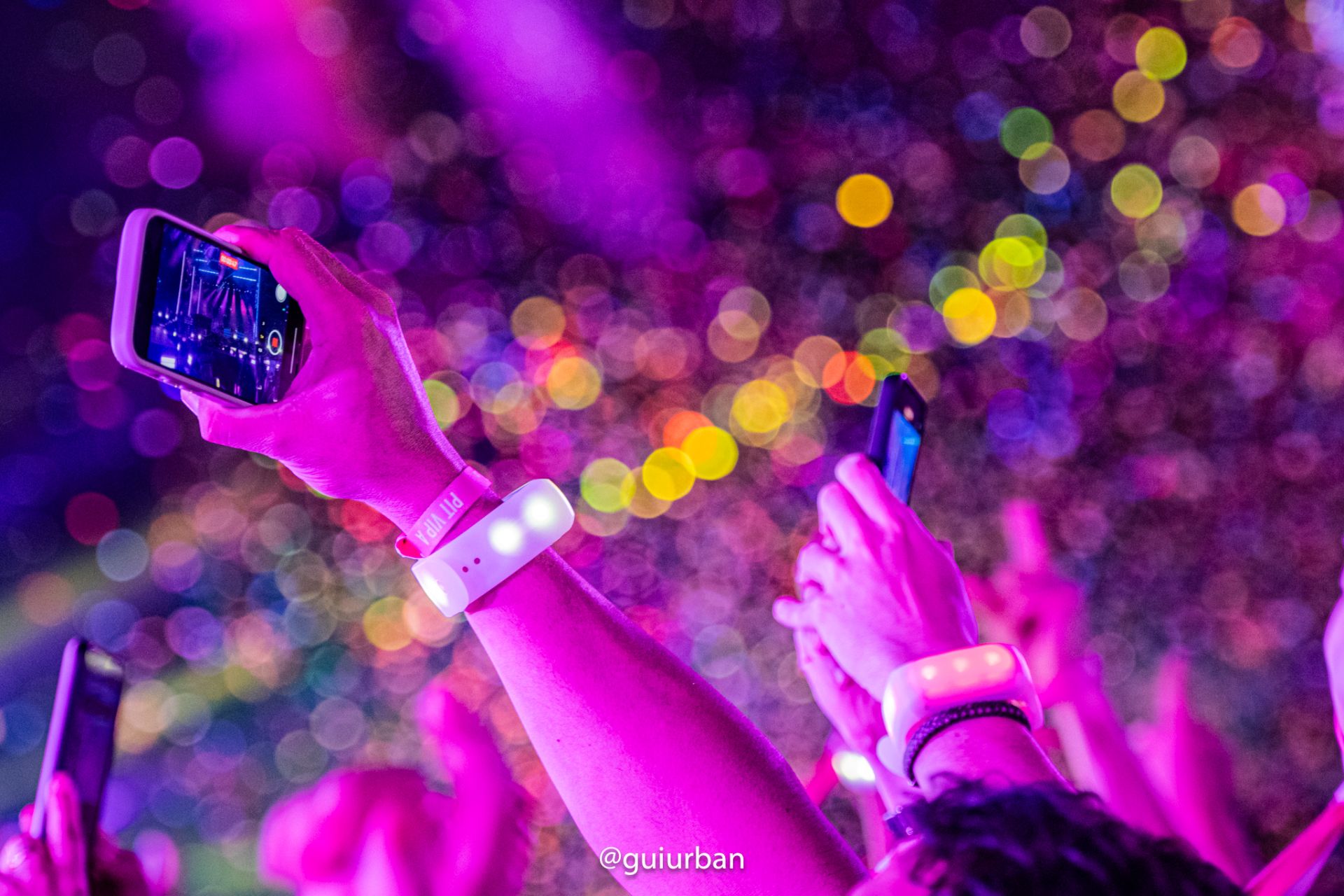
Enter Wearable LED Technology. What began as a tool for audience engagement—the iconic Coldplay Xylo Band effect—has evolved into something far more powerful. Systems like Xylobands don’t just receive signals; they create a dynamic, real-time map of the audience. Each wristband, pendant, or lanyard acts as a node within a controllable grid, transforming the audience from a monolithic entity into a granular, observable system.
The Power of Zonal Awareness
The core of this capability lies in zonal control. Our proprietary radio-controlled system allows event producers to segment a venue into dozens, or even hundreds, of distinct zones. While the primary use is creative—triggering different colors for different sections, creating sweeping patterns, or isolating specific groups—the safety applications are profound.
By monitoring the distribution and density of active wristbands, event operators gain an unprecedented, real-time understanding of crowd dynamics. This is human cartography in motion.
- Density Monitoring: The system can instantly visualize crowd density across the entire venue. Are certain areas approaching dangerous levels of compression? Is a specific corridor or exit path becoming a bottleneck? This allows operators to proactively intervene, perhaps by opening new exits or rerouting traffic, before a crush situation can develop.
- Emergency Response: In a medical or security emergency, speed is critical. Locating an incident in a sea of thousands can be nearly impossible for responders. With a zonal system, an operator can receive a report from "Zone B4" and instantly flash all the wristbands in that specific area a distinct color, like bright red. This creates an unmissable beacon, guiding medical or security personnel directly to the location in seconds, not minutes.
- Intelligent Egress: Managing the exit of tens of thousands of people is one of the most critical phases of any event. Using a zonal lighting system, operators can create guided egress paths. By illuminating wristbands in sequence—directing specific sections to specific exits at specific times—they can orchestrate a smoother, faster, and safer dispersal, preventing the post-show bottlenecks that plague many large venues.
From Reactive to Predictive Safety
This shift from a static to a dynamic view of the crowd moves event management from a reactive posture to a predictive one. The data gathered during an event—anonymized and aggregated, of course—becomes a powerful tool for future planning. Analysis can reveal persistent chokepoints in a venue’s layout, show which concession or restroom areas are under the most strain, and provide empirical evidence to guide infrastructure improvements.
For global tours or recurring festivals like Greece’s PRIMER Music Festival, this data is invaluable. The learnings from one night’s show can inform the setup for the next, allowing for continuous, data-driven improvement to the fan experience and the safety protocols that underpin it. This is the promise of LED Crowd Experiences: not just a better show, but a safer and more intelligent environment.
The Fusion of Safety and Spectacle
Crucially, these safety features do not come at the expense of the creative vision; they enhance it. The same infrastructure that provides crowd analytics also delivers the breathtaking visuals that define modern Immersive Events. An understanding of crowd distribution allows lighting designers to create more sophisticated and targeted effects. Imagine a wave of light that perfectly follows the contours of the most densely packed part of the audience, or a show moment that emotionally resonates by lighting up a single, specific section.
Whether at a major sporting event for a brand like Formula One or a sold-out arena concert for an artist like Maluma or Wizkid, the goal is the same: to forge a deeper connection between the performer and the audience. By ensuring the fundamental safety and comfort of every attendee, we create an environment where they can become fully immersed in the moment, free from distraction or anxiety.
The safest crowds are the ones that feel seen, not watched. This technology allows us to understand and guide the collective without compromising the individual experience.
The Future is a Sentient Grid
The evolution of live events is a story of increasing connection. From lighters in the dark to the first Concert Wristbands, technology has always sought to bridge the gap between the stage and the seats. Today, that connection is becoming a two-way street. The light we send into the crowd is now sending information back, creating a sentient grid that is responsive, intelligent, and protective.
As we continue to push the boundaries of what’s possible in live entertainment, the integration of data and safety will become as fundamental as sound and light. The unseen network is here, and it’s building a future where the most spectacular moments are also the safest ones.