The Invisible Network: An Introduction to LED Wristband Technology
The Unseen Signal
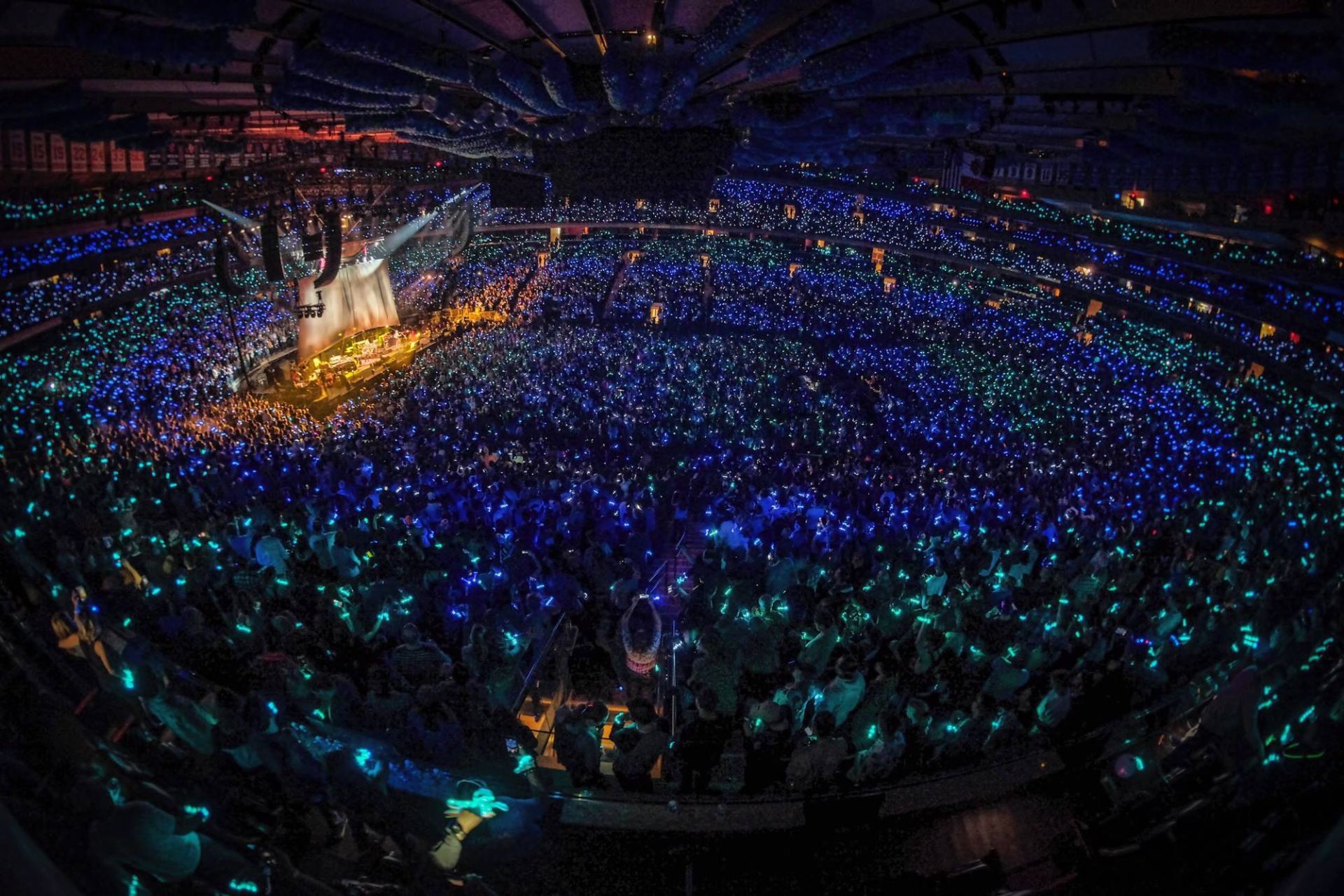
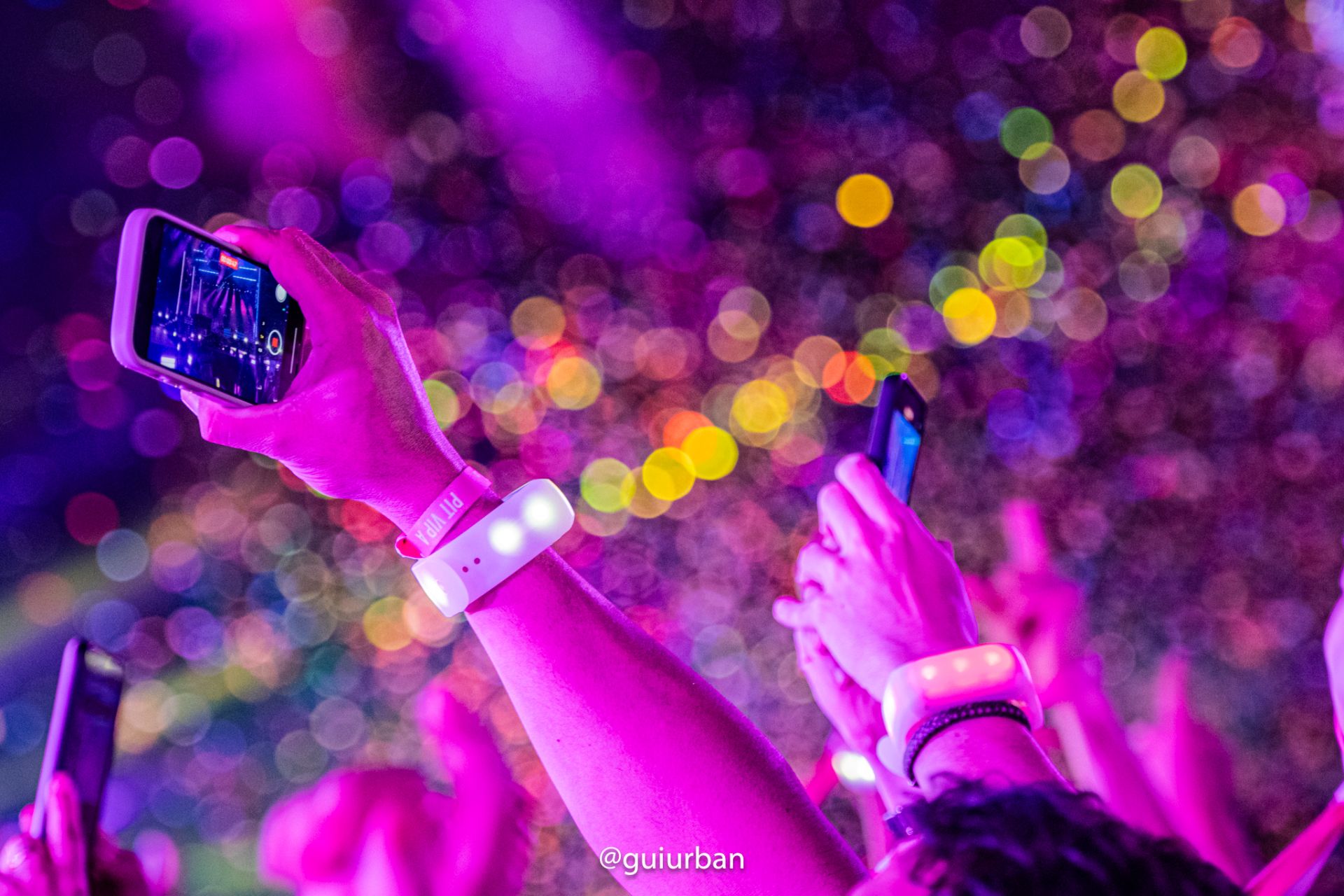
At the heart of every spectacular, large-scale light show is a question of control. When tens of thousands of individual lights—worn by fans as LED wristbands, or held as LED Orbs—pulse in perfect unison with a beat, a specific moment, or a brand colour, it’s not magic. It’s technology. For event producers, tour managers, and brand marketers, understanding the mechanics behind these immersive event technologies is crucial to unlocking their full creative and emotional potential.
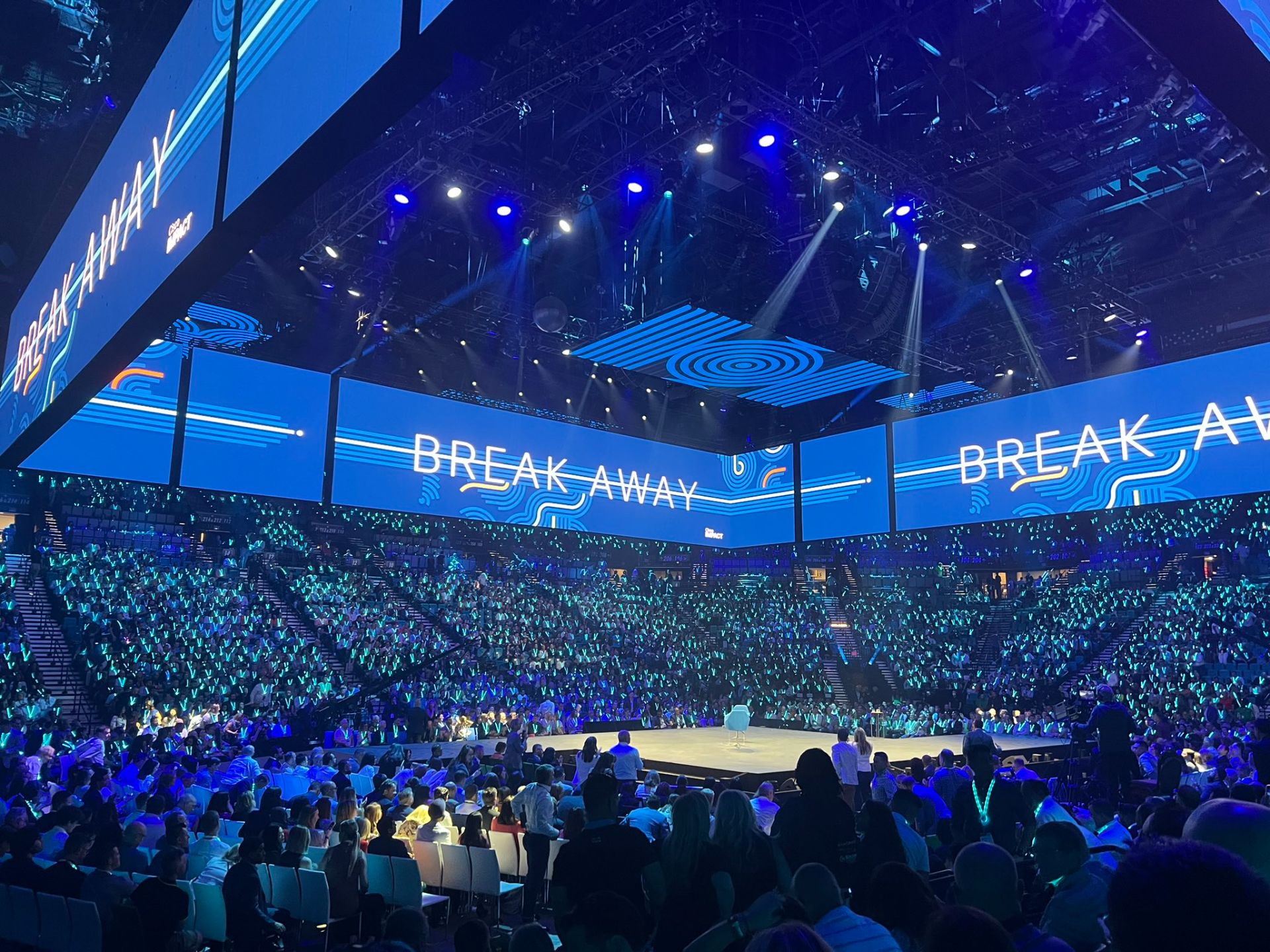
From a sold-out stadium tour for an artist like Maluma to a high-stakes corporate launch for a global brand like Google, the goal is the same: to create a moment of collective experience. The technology is the invisible thread that ties the entire audience together. At Xylobands, we deploy a range of control systems, each with its own specific strengths, to paint with light on a canvas of thousands of people. The three core technologies are Radio Frequency (RF), DMX, and Infrared (IR).
The Engine Room: Radio Frequency (RF) Control
Radio Frequency is the workhorse of most large-scale LED crowd experiences. It’s a robust and reliable method for sending commands over long distances, making it ideal for arenas, stadiums, and expansive festival sites like those used for PRIMER Music Festival.
Imagine a central transmitter, our "conductor," sending out signals much like a radio station. Each wristband, equipped with a tiny receiver, is "listening" for its cue. Our proprietary software allows a lighting designer or show operator to control the entire system from a laptop or lighting desk.
"The RF system is built for scale and reliability," explains one of our senior technicians. "We divide a venue into zones, and our transmitters can send different signals to different zones. This allows us to create complex, dynamic effects—like waves of light washing over a stadium, or splitting the crowd into team colours at a sporting event like the Davis Cup."
The system operates on a dedicated frequency, ensuring that the signal is not interrupted by the sea of Wi-Fi and cellular signals present in a modern venue. Commands are sent in data packets, telling each radio controlled LED wristband when to light up, what colour to be, and how to behave—whether to flash, pulse, or fade. It’s this precise, zone-based control that transforms a crowd into a living, breathing part of the show’s design.
Key Advantages of RF:
- Scale: Capable of controlling millions of devices simultaneously over large areas.
- Zoning: Allows for sophisticated, targeted lighting effects across different sections of an audience.
- Reliability: Operates on dedicated frequencies, minimizing interference from other wireless devices.
The Lighting Designer’s Language: DMX Integration
For events where the wristbands need to integrate seamlessly with a larger, pre-programmed lighting design, DMX is the key. DMX (Digital Multiplex) is the industry-standard protocol for controlling professional stage lighting, from moving heads and lasers to smoke machines.
Our systems are designed to speak this language. By connecting our RF transmitter to a production’s main lighting desk via a DMX bridge, the LED bands become just another fixture in the designer’s toolkit. This allows for unparalleled creative synchronicity. When the overhead rig floods the stage with blue light, the entire audience can be bathed in the exact same hue, at the exact same moment. For broadcast events like those we’ve powered for ITV or the BBC, this level of integration is essential for creating a cohesive and polished look for the cameras.
This was famously pioneered on the Coldplay Mylo Xyloto tour, where the Coldplay Xylobands were directly integrated into the show’s lighting design, creating a truly holistic visual experience. Every lighting cue for the stage was mirrored and amplified by the audience, erasing the boundary between performer and fan.
Up Close and Personal: Infrared (IR) Triggers
While RF is for the macro, Infrared (IR) is for the micro. IR technology uses focused beams of light (invisible to the human eye) to transmit data over short distances. It’s the same technology used in your television remote control.
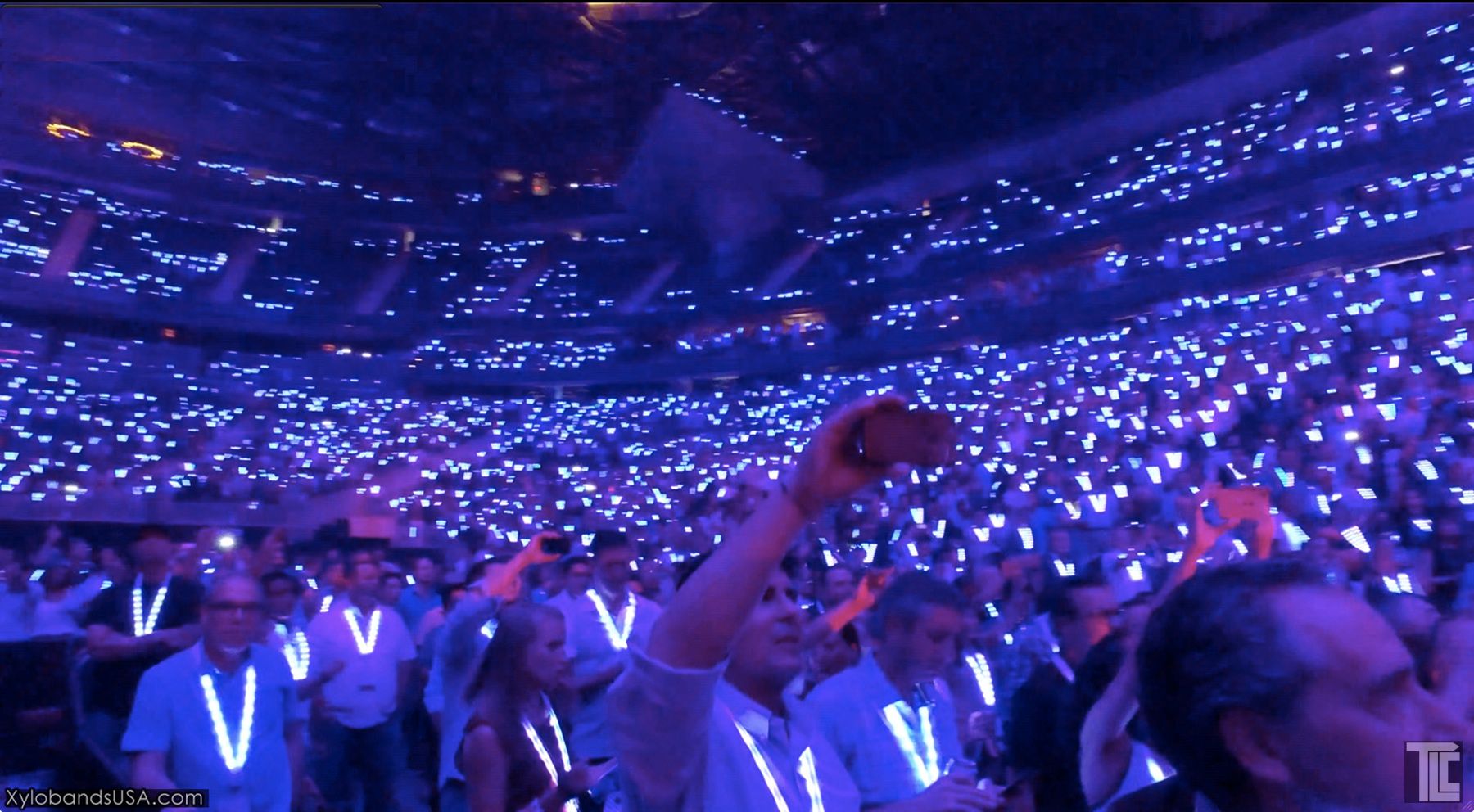
In a live event context, we use IR to create interactive, location-specific "hotspots." Imagine a fan walking past a specific sponsor’s stand at a corporate event activation. An IR emitter placed at that location can trigger their wristband or LED Lanyard to light up in the brand’s colour, or display a specific message or pattern. It’s a powerful tool for driving engagement, guiding attendees, and creating personalised moments within a larger event.
For a complex event like the Formula One 75th Anniversary, where different zones and hospitality tiers required unique interactions, a combination of technologies is often used. Broad RF signals might control the main show moments, while targeted IR triggers could create exclusive experiences within a VIP lounge.
The Synthesis of Technology and Story
Ultimately, the choice of technology—be it RF, DMX, IR, or a hybrid of all three—is driven by the story the event wants to tell. It’s not about using technology for technology’s sake. It’s about using the right tools to build connection, amplify emotion, and create unforgettable moments of shared experience.
Whether it’s the roar of a festival crowd as thousands of Festival Wristbands light up in unison, the subtle brand reinforcement at a corporate event, or the perfectly synchronised encore of a stadium tour, the invisible network is always at work. It’s the silent partner to the spectacle, the unseen signal that connects every single person in the room, turning a simple gathering into a truly immersive event.