The Art of the Encore: A Blueprint for Unforgettable Final Moments
The Last Word: Deconstructing the Perfect Encore
The house lights dim, but no one moves. A current of anticipation hangs in the air, a shared, unspoken demand. This is the space between the end of the set and the start of the encore—a moment charged with a unique power. It’s not just a pause; it’s a negotiation, a final chapter waiting to be written. For artists, tour managers, and live-experience designers, the encore is the ultimate tool for narrative punctuation. It’s the last word in a conversation that has unfolded over two hours, and it determines the final emotional state you leave with your audience.
A well-designed encore isn't merely "one more song." It's a strategic and creative decision that can elevate a performance from memorable to legendary. It transforms the audience from passive spectators into active participants in the show's final, defining moments. The encore is where the story you've been telling all night finds its resolution, and when done right, it sends a signal that resonates long after the last note has faded.
The Encore as an Emotional ARC
An effective encore serves as a microcosm of the entire show's emotional journey. It should feel both surprising and inevitable, a satisfying conclusion that honours the energy built over the evening. There are several classic structures, each serving a different purpose:
- The Euphoric Release: This is the explosive, high-energy finish. After a set that has ebbed and flowed, the encore reignites the peak, sending the audience out on a wave of adrenaline. It’s the final, definitive statement of power and celebration.
- The Intimate Confession: The opposite approach. The artist returns to the stage, often alone, for a stripped-back, acoustic number. This creates a moment of profound intimacy, drawing tens of thousands of people into a shared, personal space. It’s a powerful tool for forging a deep, lasting connection.
- The Narrative Twist: The encore can be a place for the unexpected. A surprise guest, a deep cut the band hasn’t played in years, or a completely new song can transform the experience. When Maluma brought Madonna on stage during his hometown show in Medellín, it wasn’t just an encore; it was a historic event, a moment of cultural coronation that was broadcast to over 240 countries.
Illuminating the Final Act: The Role of Light
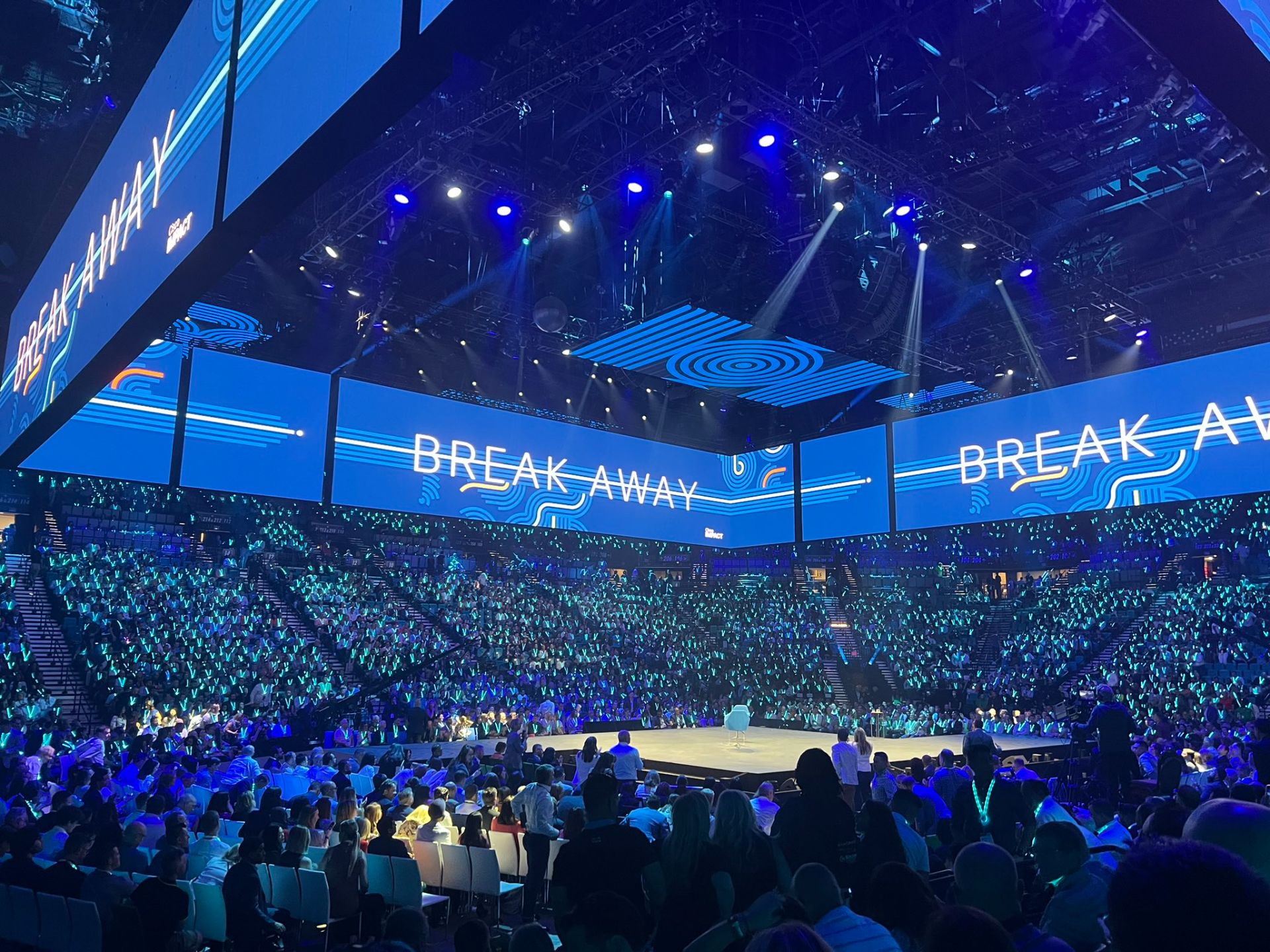
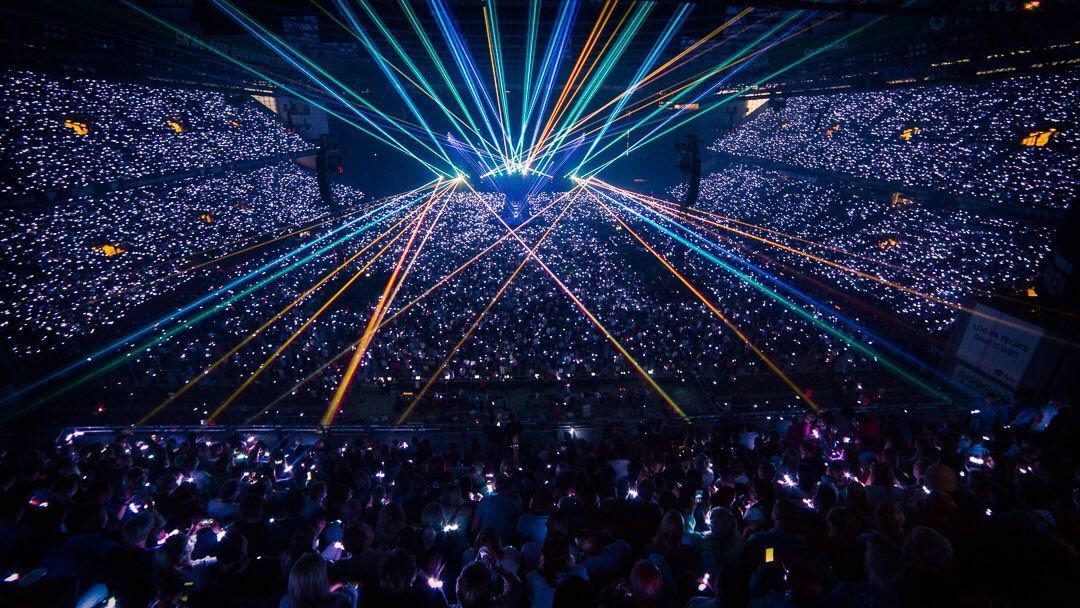
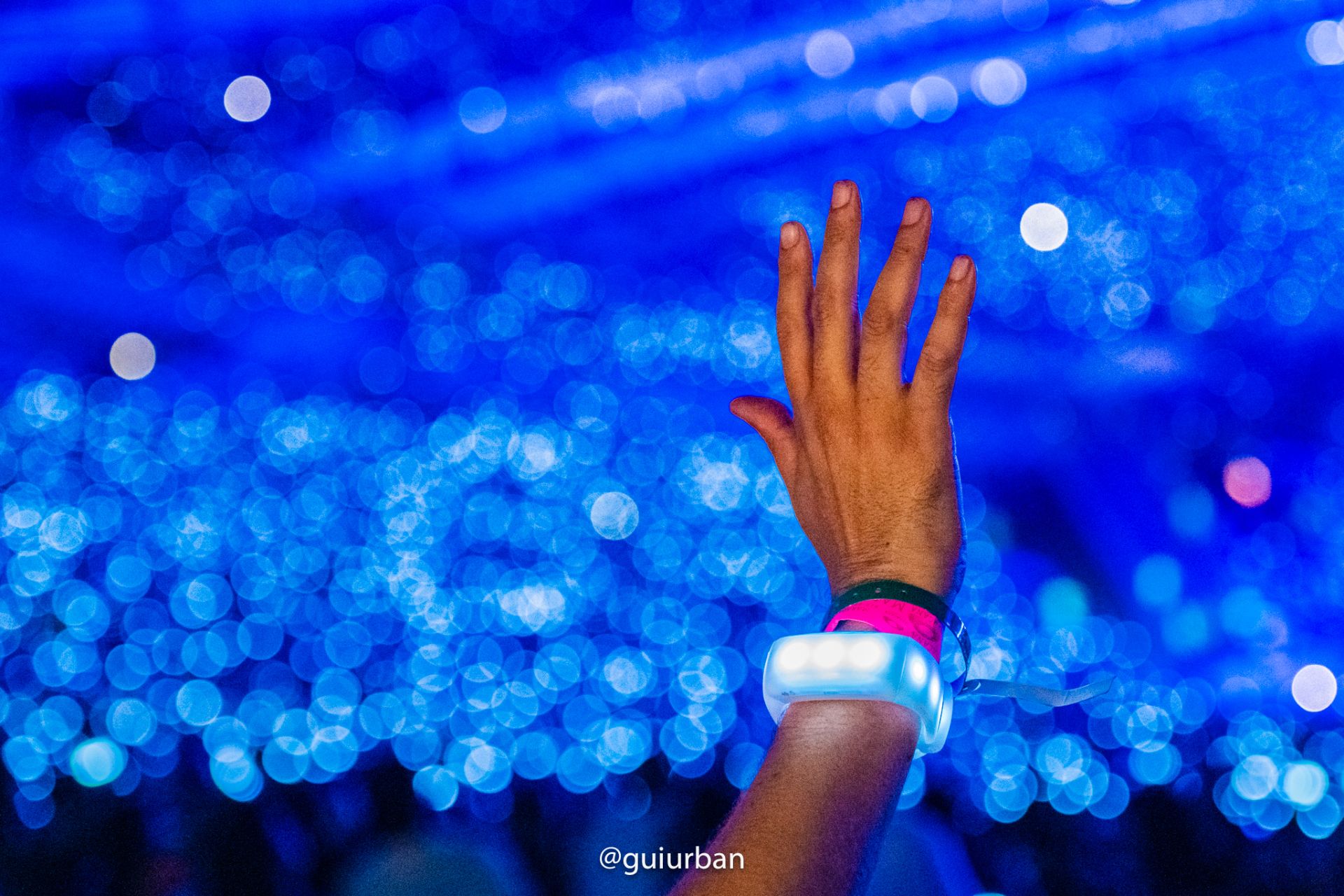
In designing these final moments, light is an indispensable tool. It’s the visual counterpart to the emotional arc of the music. In a stadium or arena, where the artist can seem distant, light is what makes the experience communal. It’s here that wearable LED technology like Xylobands becomes a powerful instrument for choreographing the audience itself.
Imagine the encore begins in total darkness. Then, as a lone piano note rings out, tens of thousands of LED bracelets illuminate in a soft, uniform glow. The audience is no longer a collection of individuals; they are a single, breathing entity, a constellation of light responding to the artist's cue. This is the magic of radio controlled LED wristbands. They turn the vastness of a stadium into an intimate, unified environment.
This technology allows for a level of dynamic storytelling previously impossible. For that euphoric release encore, you can trigger strobing, multi-colour patterns that sync perfectly with the final drum fill. For the intimate acoustic number, a slow, warm pulse can create a fireside feel on a mass scale. You aren’t just lighting the stage; you are lighting the experience, making every single person a part of the show’s visual climax. These are the kinds of LED crowd experiences that people talk about for years.
The Psychology of the "False Finish"
The "false finish" is a classic piece of showmanship, but its power runs deep. It leverages a psychological principle known as the "peak-end rule," which states that people judge an experience largely based on how they felt at its peak and at its end. The encore is a chance to design the definitive "end" of that experience.
By leaving the stage, the band creates a moment of perceived finality. The energy in the room shifts. The audience is given a chance to process the show and, crucially, to ask for more. That collective roar, the unified stomping and clapping—it’s a ritual. When the band returns, they are not just playing another song; they are answering a call. This act of return transforms the encore from a planned setlist item into a gift, a shared moment of conspiratorial joy.
"The encore is a shared ritual. The band says 'thank you and goodnight,' and the audience says, 'not yet.' In that space, you have the opportunity to create a memory that outlasts the music itself."
From Concerts to Corporate Stages
This philosophy extends far beyond music. The principles of a great encore are about crafting a powerful closing statement. For corporate event activations, the final moments are what crystallize the brand’s message. A stunning, immersive light show using custom LED wristbands or LED lanyards during the closing remarks can unify a room of employees or partners, leaving them with a feeling of shared purpose and excitement. Much like at a festival or concert, immersive event technology can turn a standard corporate gathering into a truly memorable event.
Whether it’s the final song of a world tour, the closing keynote at a conference, or a surprise reveal at a product launch, the encore is your final, indelible mark. It’s the proof that you understood the assignment: to create a moment so powerful it feels like it could last forever, even as the lights come up.