The Unity Principle: The Surprising Psychology of Shared Experience in Large-Scale Events
The Moment of Ignition
It’s a phenomenon seasoned event producers know well. A stadium of 50,000 individuals—strangers from different cities, backgrounds, and walks of life—suddenly becomes a single, breathing entity. The air crackles. A sense of profound, unspoken unity descends. It’s not just about the artist on stage or the team on the field; it’s about the shared, in-the-moment experience. This is the holy grail of live events: not just entertaining an audience, but unifying it.
But what is the mechanism behind this transformation? Is it simply the result of a great performance, or is there a deeper psychological principle at play? The answer lies in a concept sociologists call "collective effervescence"—a perceived energy formed by the unification of a group, creating a feeling of intense, shared identity. Understanding and harnessing this principle is the key to elevating a great event into a legendary one.
From Passive Spectators to Active Participants
For decades, the audience’s role was largely passive. We watched, we listened, we applauded. The most significant leap in audience participation came with the simple, analogue flame of a lighter during a power ballad. This act, small yet profound, was the first time the crowd could collectively create its own visual spectacle. It was a signal—a way for individuals to say, "I am here, and I am part of this."
The mobile phone screen became the modern lighter, but the principle remained the same. However, these were individual, unsynchronized actions. The true revolution in audience engagement has come from technologies that unify these individual points of light into a single, cohesive canvas. This is where the modern era of immersive events began, turning the crowd itself into a core component of the show’s creative design.
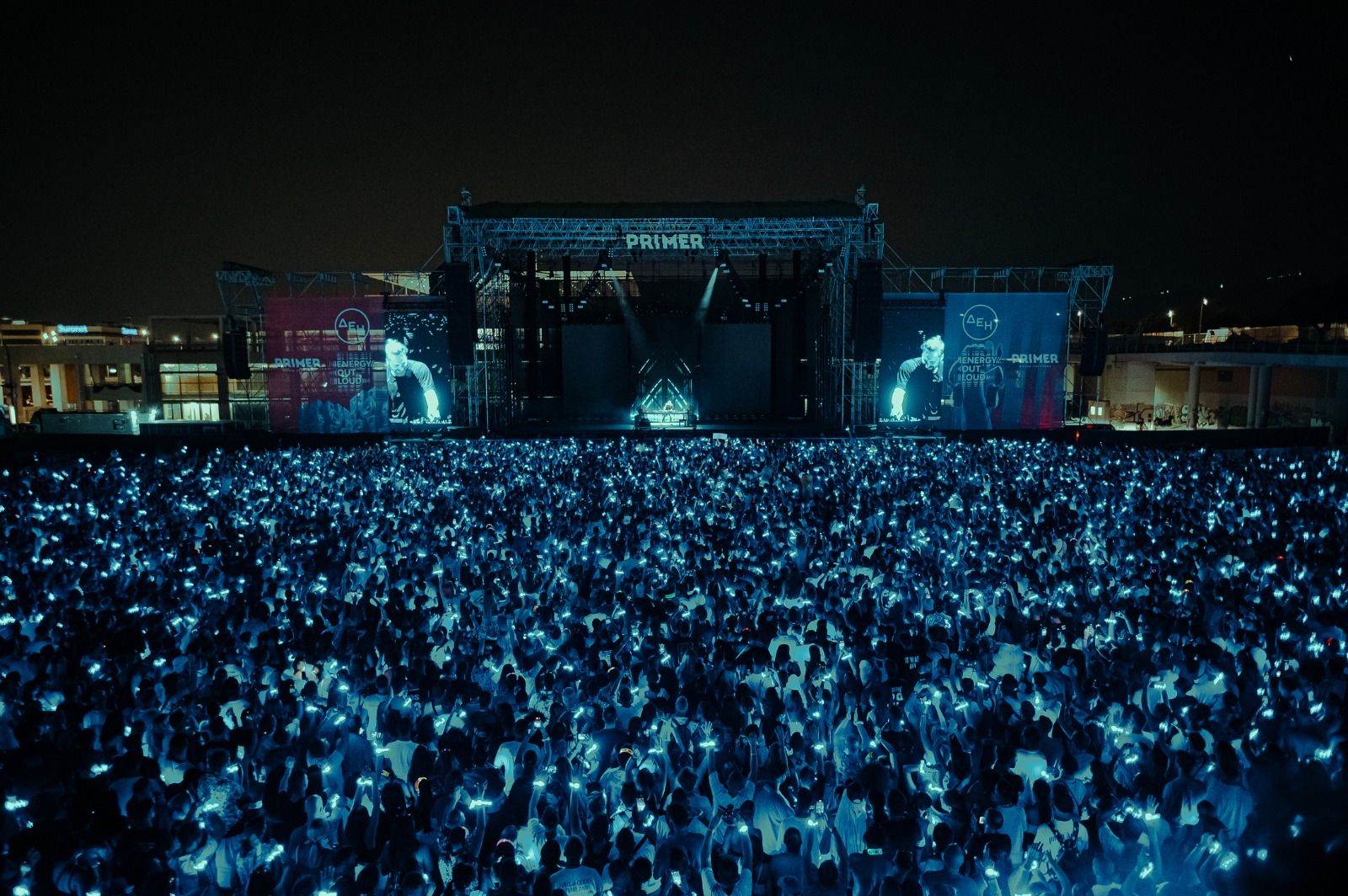
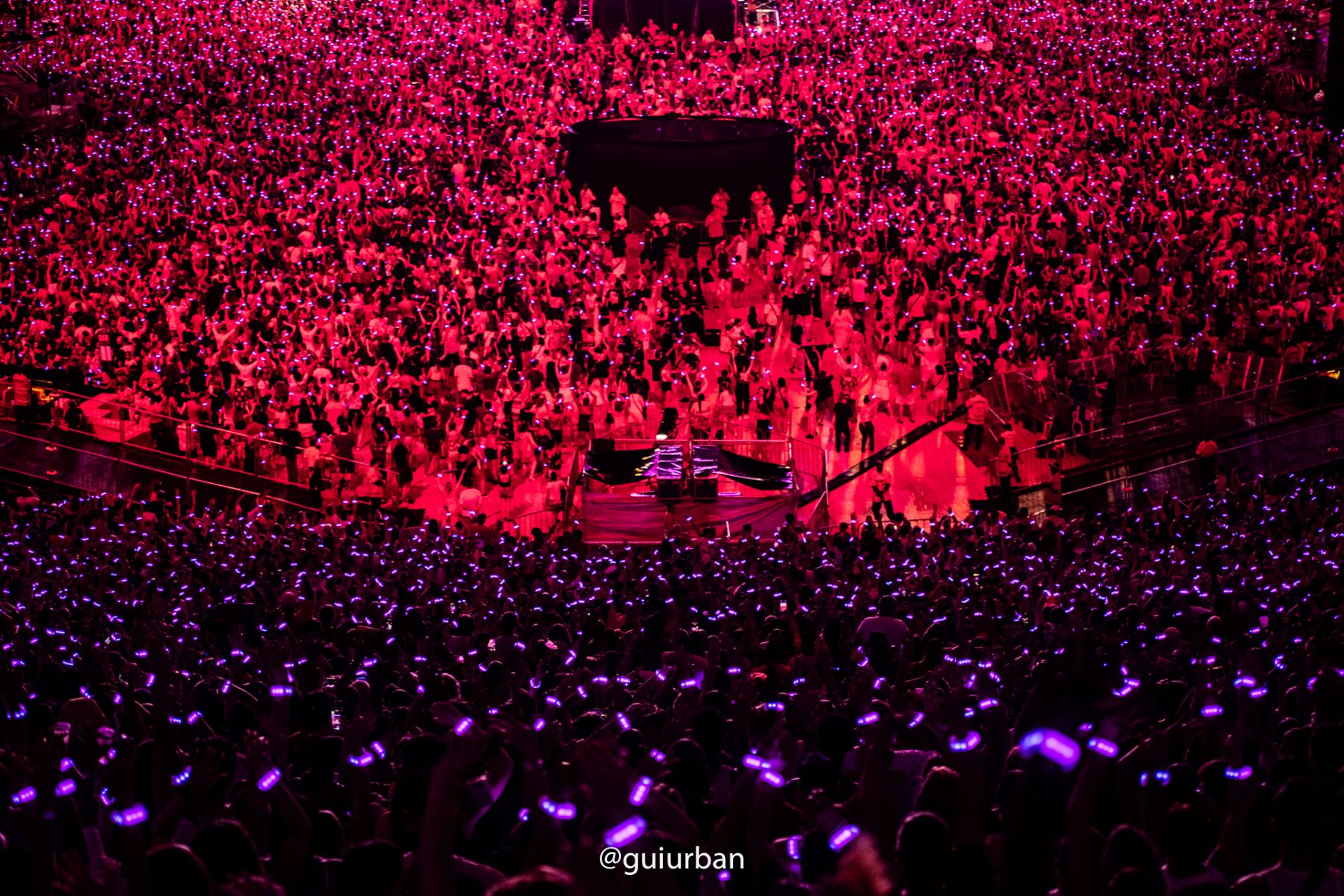
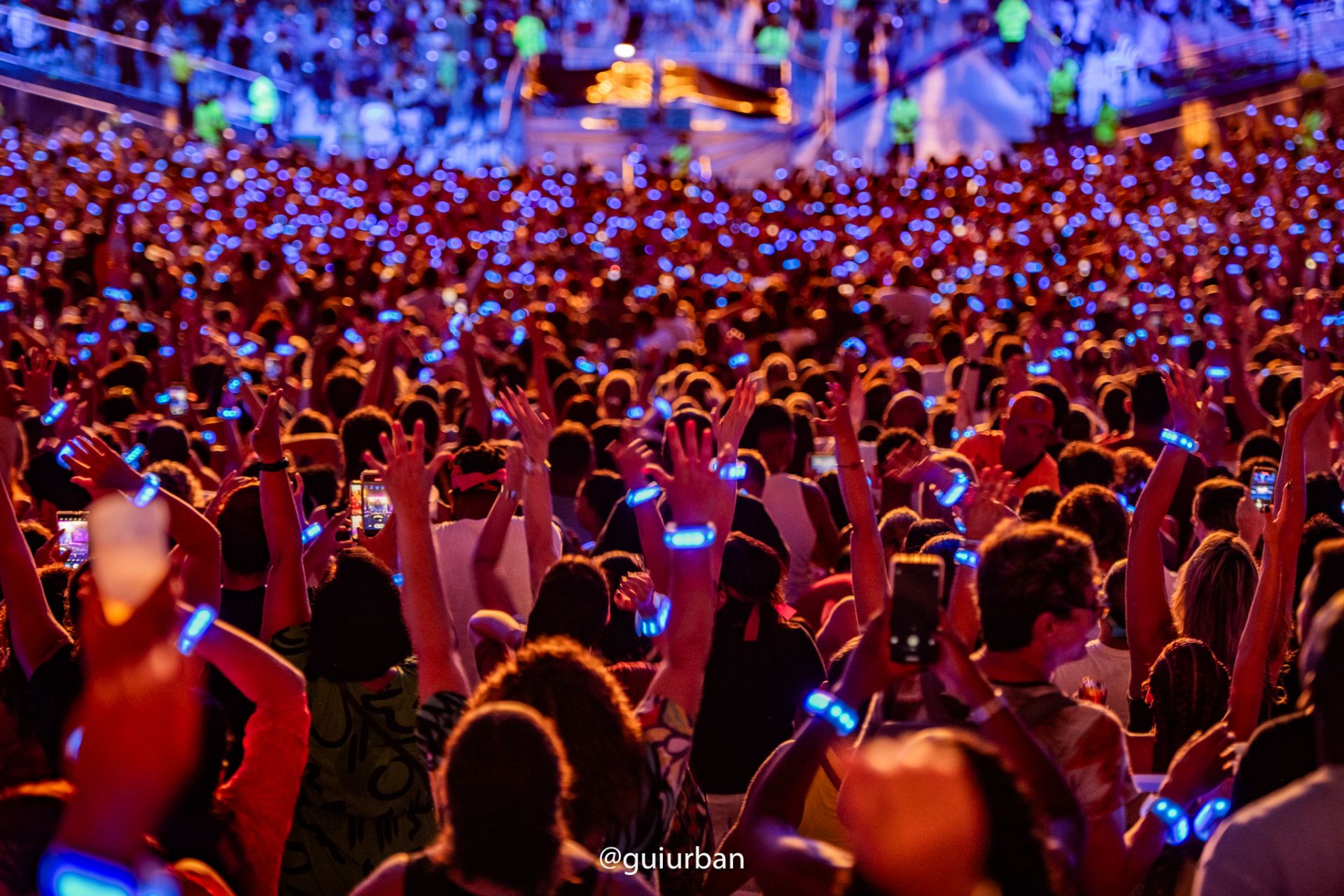
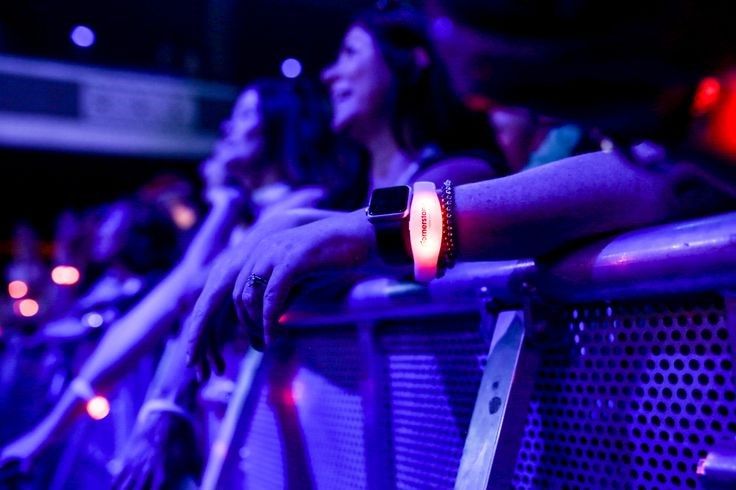
When thousands of LED wristbands or LED Lanyards ignite in perfect synchrony, the psychological effect is instantaneous. The physical barrier between individuals dissolves, replaced by a visual representation of their shared emotional state. It’s a powerful, visceral confirmation that you are part of something much larger than yourself.
The Psychology of Light and Shared Identity
Why is synchronized light so effective? The answer touches on fundamental aspects of human psychology:
- Entrainment: Humans have a natural tendency to synchronize with one another, whether it’s clapping in time or walking in step. Synchronized light taps into this innate drive, creating a powerful sense of rhythm and unity that operates on a subconscious level.
- Deindividuation (in a positive sense): In a crowd, our sense of individual self can soften. When immersed in a sea of light where everyone shares the same visual pulse, this effect is amplified. It frees people from self-consciousness, allowing them to engage more fully with the moment and the collective.
- Emotional Contagion: Emotions are notoriously contagious, especially in large groups. A shared visual experience acts as a powerful catalyst for this contagion. The joy and excitement reflected in the lights of 50,000 people become a feedback loop, intensifying the emotional peak for everyone involved.
At Xylobands, we’ve witnessed this principle in action thousands of time. From the historic three-night, sold-out Wizkid concerts at London’s O2 Arena to the vibrant energy of Greece’s PRIMER Music Festival, we’ve seen how wearable LED technology transforms the very fabric of the audience experience. It’s not just about adding a visual flourish; it’s about architecting moments of profound human connection.
Designing for Unity: The Producer’s New Canvas
For event producers, tour managers, and brand marketers, this opens up a new frontier of creative possibility. The crowd is no longer just a target for a message; it becomes the medium. This shift requires a new way of thinking about event design.
1. The Crowd as a Canvas
Modern LED event technology allows for intricate designs and patterns to sweep across an entire stadium. A goal at a football match, a key moment in a corporate presentation, or the beat drop in a headline set can be translated into waves of colour and light that emanate from the audience itself. As we demonstrated at the Formula One 75th-anniversary show, custom pendants allowed us to segment the arena and create dynamic, team-specific effects, making fans feel an even deeper connection to their tribe.
2. Amplifying Brand Narratives
For corporate event activations, this is a game-changer. Imagine launching a new product where the brand’s colours don’t just appear on a screen but pulse on the wrist of every attendee. This creates a powerful, sensory association with the brand, transforming a passive audience into active brand ambassadors. It’s a level of engagement that a PowerPoint slide could never achieve, turning a conference into a memorable spectacle.
3. Enhancing Broadcast Spectacles
In the age of hybrid events, the at-home audience is as important as the in-person one. A visually unified crowd creates a far more compelling broadcast. The coordinated light show from thousands of Xylobands reads spectacularly on camera, conveying the energy of the room to viewers worldwide. This was a key element for clients like ITV and during Maluma’s globally streamed Medellín concert, where the lit crowd became a vital part of the broadcast’s visual storytelling, proving that the right technology can bridge the gap between the arena and the living room.
The Future is a Shared Experience
The future of large-scale events lies not in making the stage show bigger, but in making the audience feel more connected. The desire for community and shared experience is a fundamental human need. In a world that often feels fragmented, live events provide a rare and vital space for collective joy and unity.
Technologies like radio controlled LED wristbands are not merely accessories; they are tools for architects of emotion. They are the instruments used to compose the human spectacle, turning thousands of individual lights into a single, breathtaking constellation. By understanding the psychology behind this phenomenon, we can move beyond simply entertaining crowds and begin to truly unify them, creating unforgettable moments that resonate long after the lights go down.