The Unseen Audience: Camera-Friendly Light for Live Broadcast Events
The Two-Audience Challenge
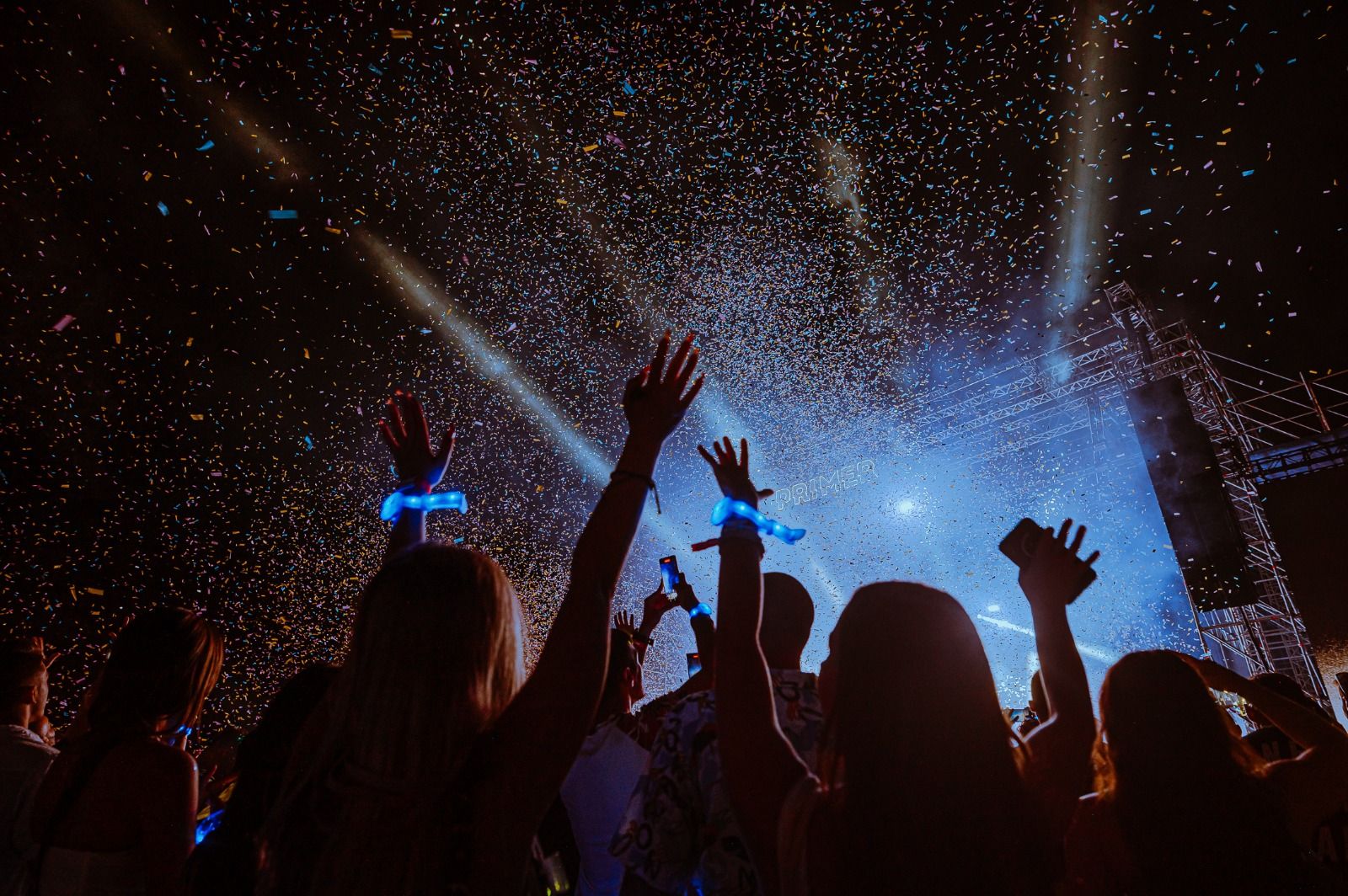
Every live broadcast is a tale of two audiences. There is the immediate, electric energy of the crowd in the studio or arena—the people who feel the bass in their chests and the heat of the stage lights. Then, there is the second audience, exponentially larger and geographically boundless: the viewers watching from home. For producers, showrunners, and lighting designers, successfully engaging both is the ultimate challenge. The camera is an unforgiving observer, and lighting that electrifies a stadium can appear blown out, flat, or chaotic on screen. Mastering light for this dual reality isn’t just a technical necessity; it’s the core of creating a truly shared, memorable experience.
Why Standard Event Lighting Fails on Camera
The human eye is a marvel of dynamic range, capable of processing immense contrast between light and shadow. A camera sensor is not. What feels atmospheric and immersive in person can translate into a grainy, washed-out, or poorly defined image for the broadcast feed. Key considerations for broadcast-friendly lighting include:
- Colour Temperature and Rendering: Cameras require precise colour temperatures to reproduce tones accurately. Inconsistent or clashing light sources can make skin tones look unnatural and distort the carefully curated colours of a set or brand.
- Flicker Rate: Many LED fixtures have a flicker that is imperceptible to the human eye but can create distracting banding or strobing effects on camera, particularly during slow-motion replays.
- Dynamic Range and Hotspots: A brilliant stage effect that wows a live crowd can create a "hotspot"—an overexposed area of the screen where all detail is lost. Lighting for broadcast means controlling the intensity and distribution of light to fit within the camera's more limited dynamic range.
The Audience as a Living Light Show
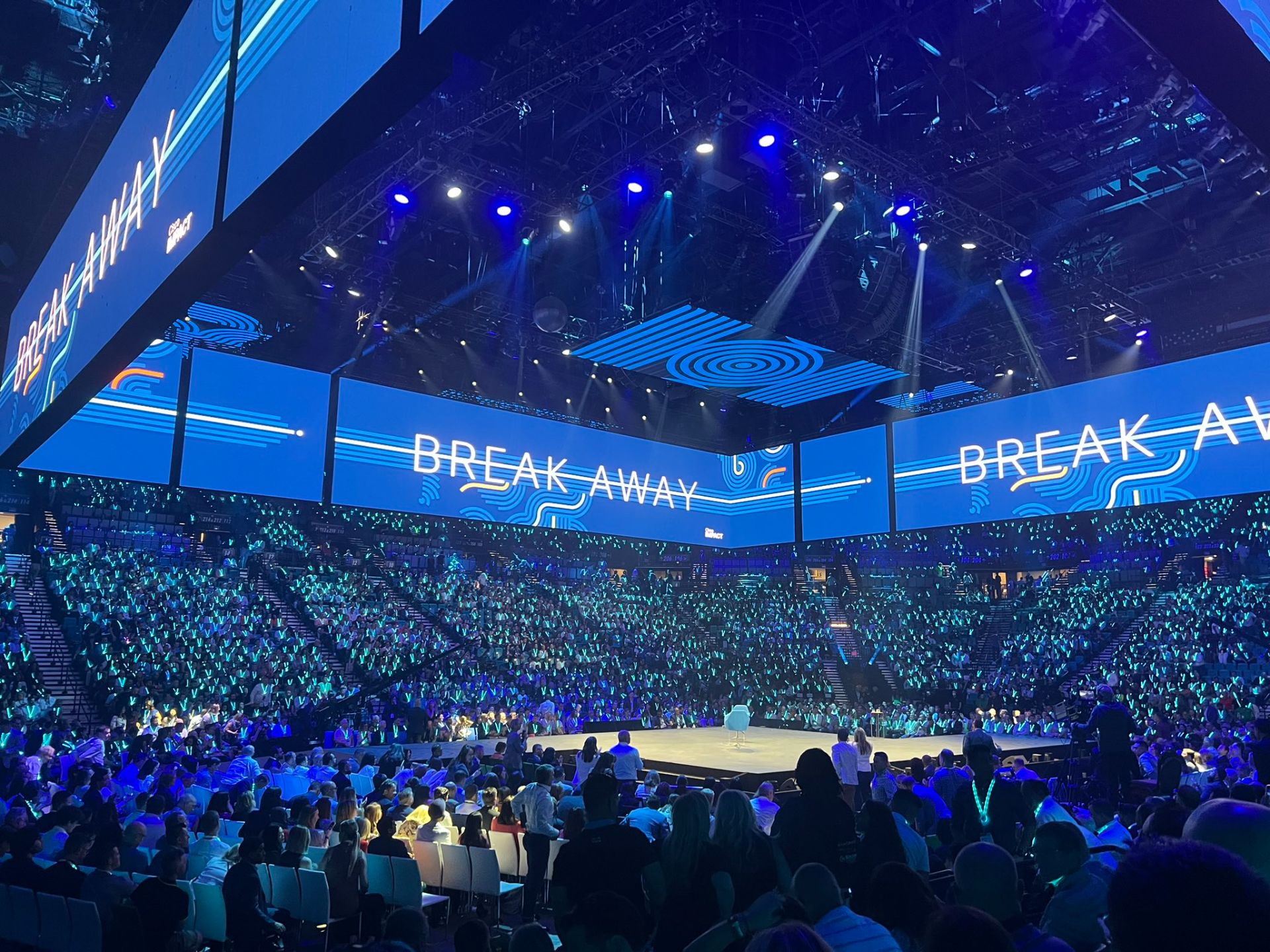
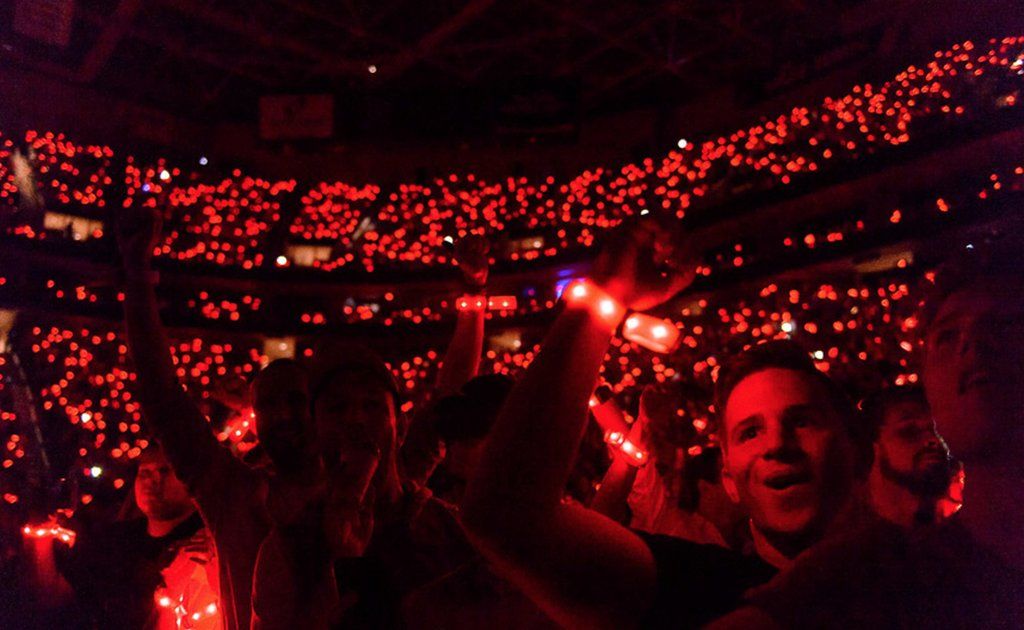
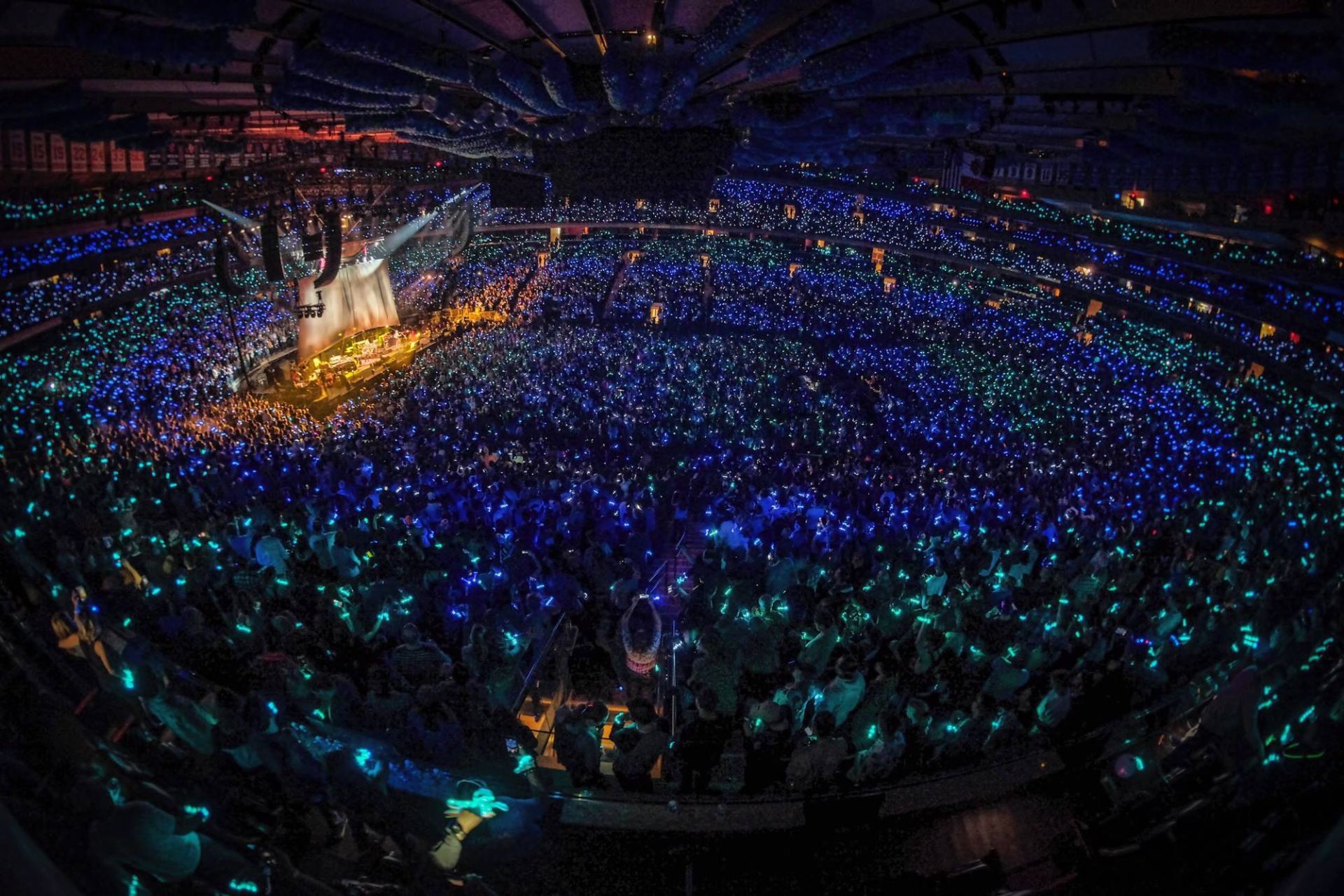
For decades, broadcast audience lighting was functional at best—a static, uniform wash to ensure the crowd was visible on camera. But what if the audience itself could become a dynamic, camera-friendly source of light? This is the principle behind wearable LED technology. By turning thousands of individuals into synchronized pixels, producers can create vast, animated canvases of light that are visually stunning both in person and on screen.
This approach elegantly solves many of the traditional challenges of broadcast lighting. Instead of fighting against chaotic audience-held phone lights, which create unpredictable flicker and colour temperatures, producers can maintain full creative control. Technologies like our radio-controlled LED wristbands allow a lighting director to program colours, patterns, and pulses that are perfectly synchronised with the show’s cues and, crucially, optimised for the camera. We’ve seen this executed to powerful effect with partners like ITV, where our systems have been used on shows like 'Beat The Chasers UK' to create a visually cohesive and dynamic environment that enhances the drama for the broadcast audience.
Case Study: Lighting for the Global Stage
The challenge is magnified in large-scale, globally broadcast events. Consider Maluma’s 2022 'Medellín En El Mapa' concert, a triumphant hometown stadium show streamed live to over 240 countries. With a live audience of 54,000 and a global audience of millions, the lighting had to serve two masters flawlessly. Here, LED crowd experiences become more than just a concert effect; they become a broadcast tool. By deploying thousands of synchronised wristbands, the production team could paint the entire stadium with light, creating epic, wide-angle shots that conveyed the sheer scale and energy of the event to viewers worldwide. The crowd wasn’t just watching the show; they were the show.
Similarly, for events like the Formula One 75th-anniversary celebration, a live broadcast featuring performances and team reveals, custom LED Lanyards and Pendants transformed the audience at The O2 Arena into an integral part of the visual design. These moments create the kind of immersive, shareable spectacle that modern broadcasting demands.
Designing for the Double Act
Successfully lighting for a hybrid audience is a double act requiring technical precision and creative vision. It demands a new kind of collaboration between lighting designers, broadcast directors, and technology partners.
The Technical Playbook:
- System Integration: The best results come when wearable lighting systems are seamlessly integrated with the main lighting desk. Whether using DMX, RF, or other control protocols, this allows a single operator to conduct the entire visual experience, from stage strobes to the pulsing of 50,000 LED bracelets.
- Camera-First Colour Palettes: Design with the broadcast in mind. Test colours on camera to see how they render. Deep, saturated reds and blues are notoriously difficult for sensors to handle, while vibrant, well-managed palettes can make a show pop on any screen.
- Control and Segmentation: The ability to segment the audience into different coloured groups or create moving patterns across a stadium is a powerful narrative tool. This is only possible with a robust, reliable control system like the one underpinning Xylobands.
The Future is a Shared Experience
The line between live and broadcast events has blurred forever. Today’s audiences expect to feel the energy of a live event, even from thousands of miles away. For broadcasters, from legacy names like the BBC and ITV to global sports franchises like the Davis Cup and Formula One, mastering light for this two-screen world is no longer an option—it’s the new standard. By transforming the audience from a passive observer into an active, illuminated participant, we create a more profound sense of connection and a more spectacular show for everyone, no matter where they are watching.