The Circular Showcase: A New Model for Sustainable Event Production
The End of the Throwaway Experience
The spectacle of a live event — the roar of the crowd, the pulse of the lights, the shared energy — often leaves a less visible legacy: waste. From single-use decorations to discarded merchandise, the temporary nature of our industry can generate a significant environmental footprint. For decades, the logic has been linear: make, use, dispose. But as producers, designers, and brands, we have a growing responsibility to challenge this model. It’s time to architect a new, circular approach to live experiences.
This isn’t about compromising the scale or impact of our productions. It’s about innovating with intention. It’s about designing for disassembly, planning for reuse, and seeing every element not as a consumable, but as an asset with a future life. The goal is to move from a throwaway culture to a circular showcase, proving that unforgettable moments don’t have to cost the earth.
Designing for the Second Act: Reuse and Recyclability by Default
True sustainability begins long before the gates open. It starts in the design phase. When we approach event components with a circular mindset, we fundamentally change their lifecycle. Instead of asking, “What will this be used for?” we must ask, “How will this be used, and what will it become next?”
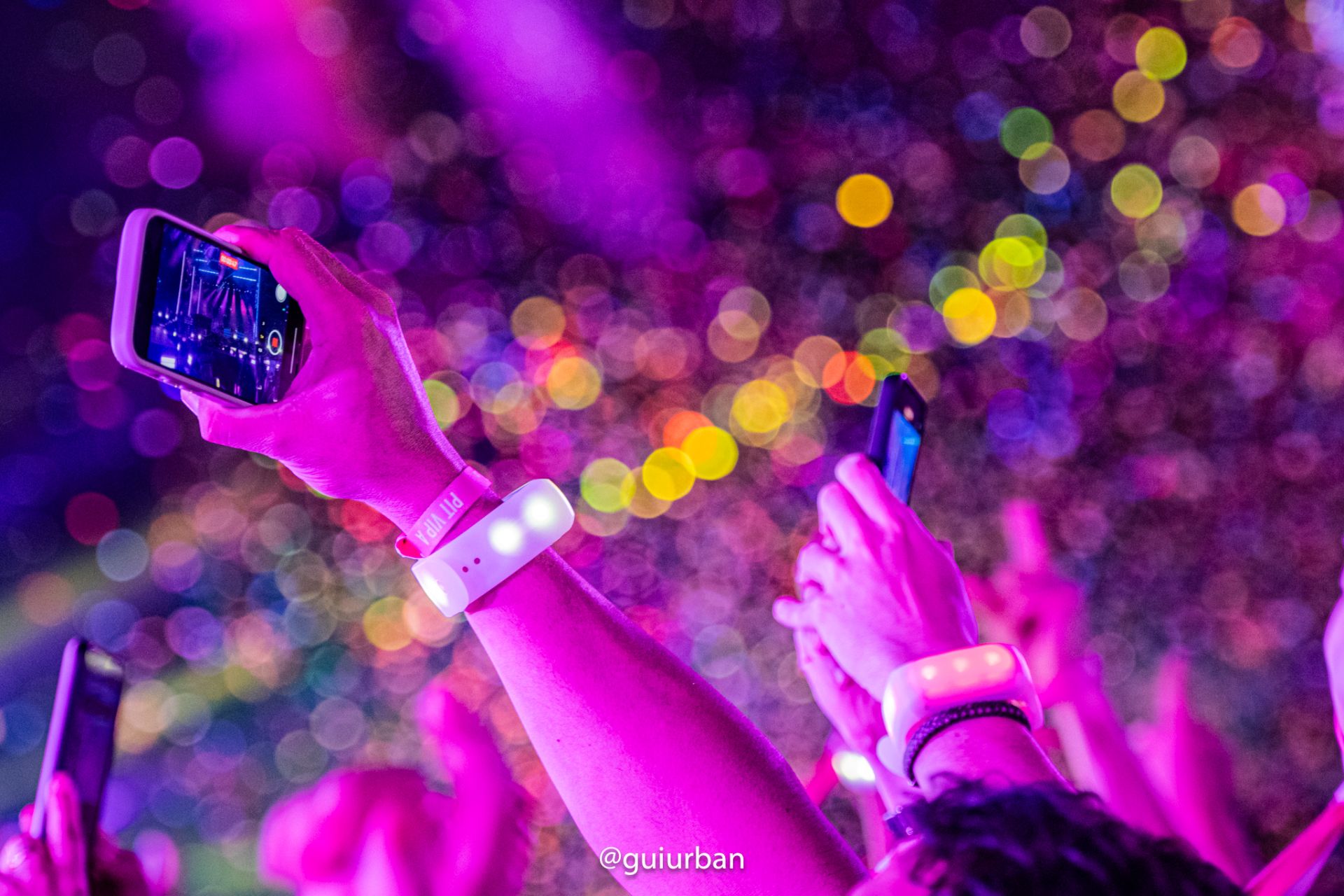
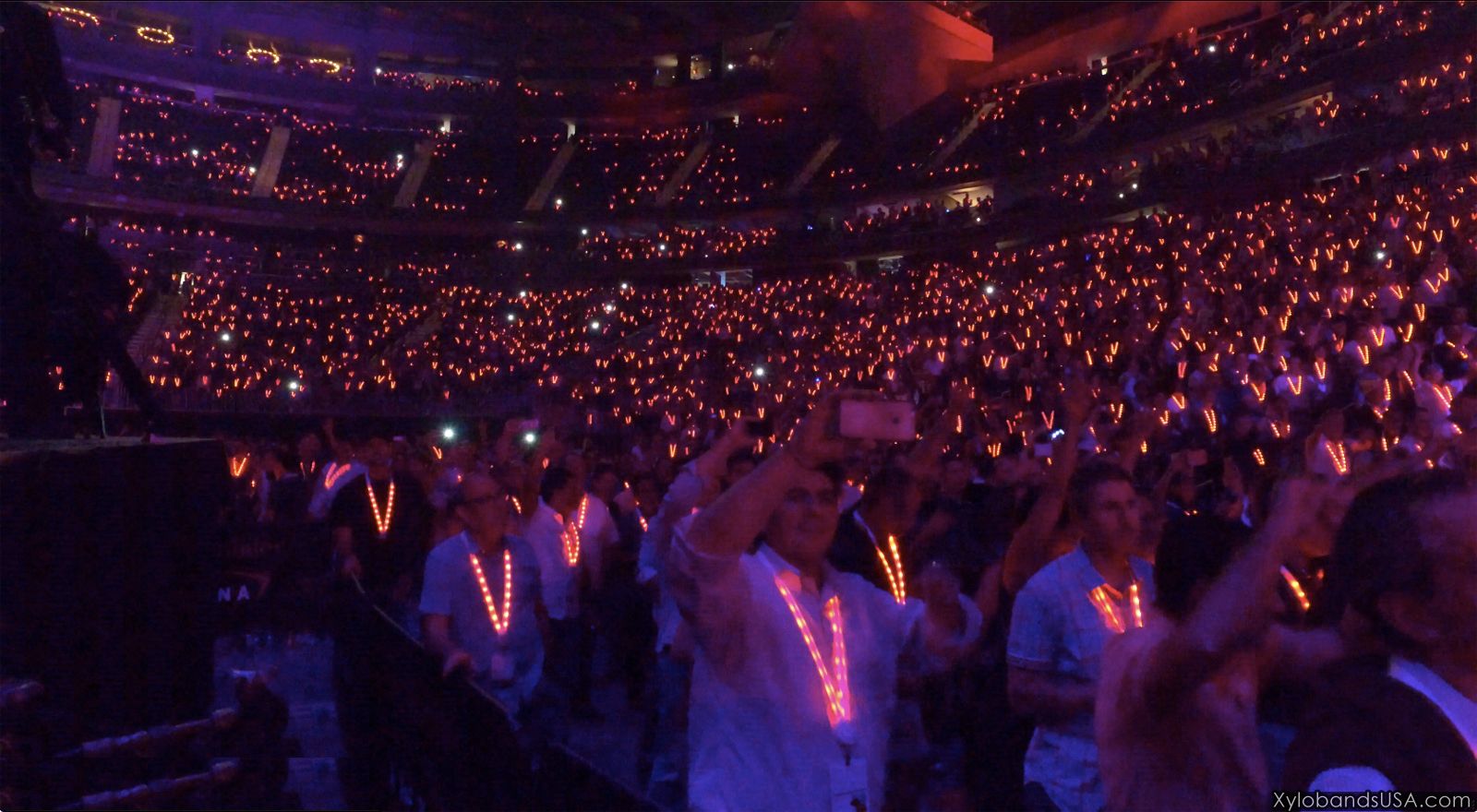
This is a principle we’ve put into practice at Xylobands. Our LED wristbands are not single-use items. They are robust pieces of technology designed for durability and reuse. Following an event, our teams have established systems for collecting, refurbishing, and redeploying wristbands for future shows. For Wizkid’s historic three-night sellout at London’s O2 Arena, the same set of 32,000 wristbands was used across all performances, collected after each show, and then responsibly recycled at the end of the run. This model drastically reduces material waste without diminishing the quality of the immersive event technology.
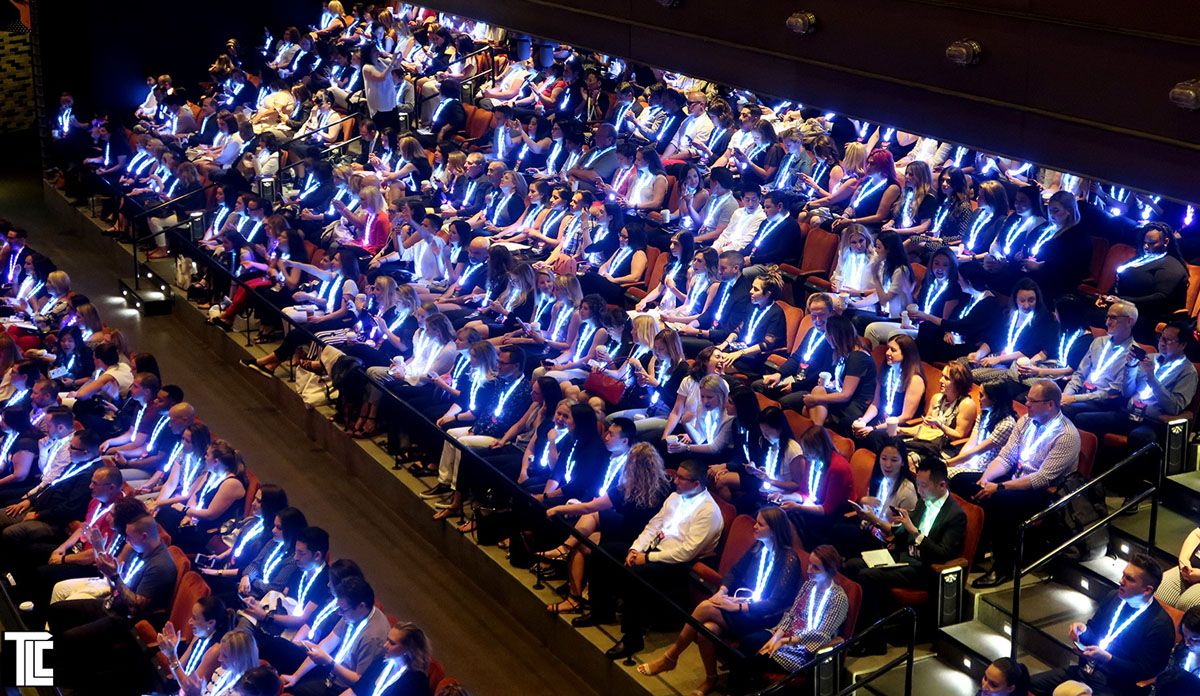
The benefits extend beyond wristbands. Consider staging, signage, and even lanyards. The custom LED Lanyards we developed for a major Formula One anniversary event were designed to be desirable keepsakes, not disposable credentials. When an item has perceived long-term value, it’s no longer just swag; it becomes a memento, shifting it out of the waste stream entirely.
The Logistics of Longevity: Collection as a Core Competency
A reusable system is only as effective as its retrieval process. Implementing a successful collection strategy requires the same level of logistical rigor as the initial deployment. It’s not an afterthought; it’s a core competency.
Here’s a blueprint for an effective retrieval system:
- Clear Communication: Announce the collection plan from the stage and on screens. When audiences understand that their wristbands or lanyards will be used to create amazing experiences for future fans, they become active participants in the sustainability effort.
- Strategic Collection Points: Position clearly marked collection bins at all exits, staffed by trained teams. The process should be as frictionless as entering the venue.
- Incentivization: While not always necessary, small incentives can boost return rates. This could be a simple "thank you" from a brand partner or a QR code linking to exclusive content.
- Efficient Processing: A dedicated post-event team is crucial for sorting, cleaning, testing, and preparing the collected assets for their next deployment. This is the unseen engine room of a circular event model.
This isn’t just about being green; it’s about operational excellence. A well-oiled collection and refurbishment system is a logistical feat that demonstrates a commitment to quality and responsibility.
Beyond Wristbands: A Holistic Approach to Event Sustainability
While wearable LED technology offers a powerful and visible example of circularity, the philosophy should permeate every aspect of event production.
We’re seeing a paradigm shift in the industry. Clients are no longer just asking for spectacular LED crowd experiences; they’re demanding that these experiences are delivered responsibly. Sustainability has moved from a "nice-to-have" to a non-negotiable part of the brief.
This shift influences everything:
- Power Consumption: Prioritizing energy-efficient LED technology over older, power-hungry lighting. Our systems are designed to deliver maximum visual impact with minimal energy draw.
- Material Sourcing: Working with suppliers who share a commitment to recycled and recyclable materials, from stage construction to staff uniforms.
- Waste Management: Partnering with venues and vendors to ensure comprehensive recycling and composting programs are not just available, but effectively utilized.
- Transportation: Optimizing logistics to reduce the carbon footprint of moving equipment and personnel around the globe.
The Future is Reusable
Creating truly immersive events has always been about captivating the audience’s attention. Today, it’s also about earning their respect. Fans, sponsors, and artists are more environmentally conscious than ever. They are drawn to productions that reflect their values.
The circular model is not a limitation; it is a creative catalyst. It challenges us to be more innovative, more efficient, and more thoughtful in our execution. From electrifying corporate event activations to sold-out stadium tours, the ability to produce breathtaking spectacles with a conscience is the new benchmark of a world-class production.
By embracing reuse, we do more than reduce our footprint. We build a more resilient, responsible, and respected industry — one where the magic of the moment doesn't leave a mark on the planet. The show must go on, and with a circular approach, it can do so sustainably for years to come.