The Invisible Conductor: Deconstructing the Technology of LED Crowd Experiences
The Invisible Conductor: Deconstructing the Technology of LED Crowd Experiences
At the heart of every jaw-dropping stadium show, festival, or corporate launch is a silent, invisible force. It’s a language spoken in radio waves and light beams, a complex choreography of signals that turns thousands of individuals into a single, unified canvas of light. This is the world of immersive event technology, where wearable LED devices like wristbands and lanyards transform passive audiences into active participants. But how does it actually work? How can tens of thousands of points of light be controlled with split-second precision to create the stunning visual spectacles seen at events for global artists like Coldplay or brands like Formula One?
The magic lies in a sophisticated ecosystem of wireless technologies, primarily driven by Radio Frequency (RF), Digital Multiplex (DMX), and Infrared (IR). Each serves a unique purpose, and often they are used in concert to create layered, dynamic, and truly immersive events. Let’s deconstruct the core components that power these remarkable LED crowd experiences.
The Backbone of the Arena: Radio Frequency (RF) Control
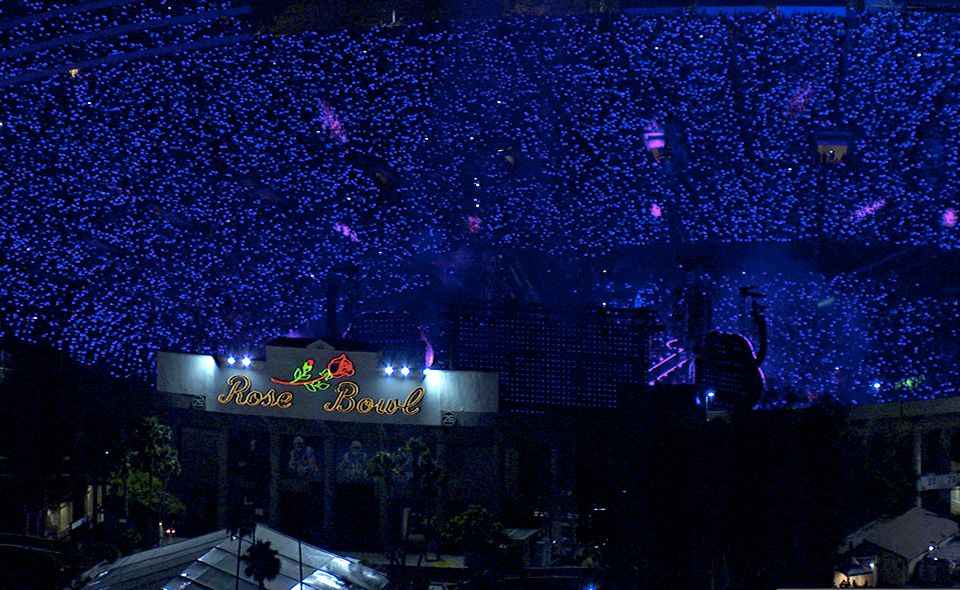
Imagine an entire stadium, from the front row to the highest seats, pulsing with light in perfect sync with a song’s crescendo. This level of mass synchronization is the domain of Radio Frequency (RF) technology. It’s the most common and powerful method for controlling large-scale LED wristband deployments, and it forms the backbone of the Xylobands system.
Here’s a simplified breakdown of the process:
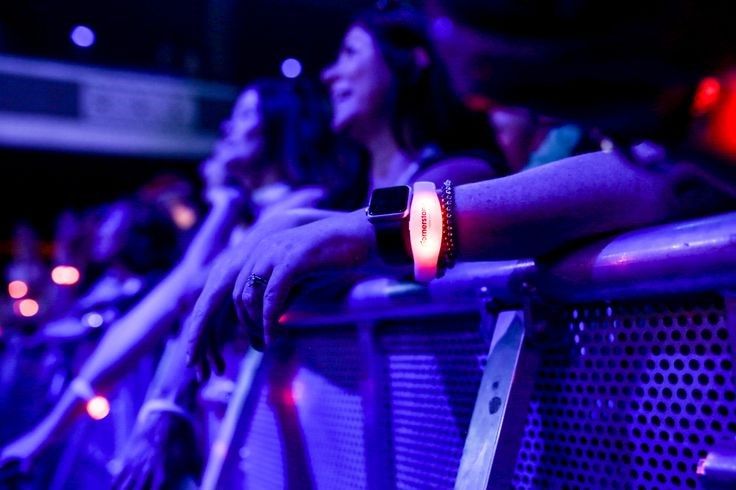
- The Transmitter: The system starts with a central transmitter, controlled by a lighting designer or show operator via a laptop. This operator can program complex sequences, cueing up specific colors, patterns, and effects ahead of the show or triggering them live in response to the performance.
- The Signal: The transmitter sends out radio signals across a specific frequency. These signals are essentially commands—"turn blue," "flash quickly," "fade to white." Because RF signals can travel over long distances and pass through obstacles like people and stage structures, they are ideal for covering vast spaces like stadiums and festival fields. At events like the PRIMER Music Festival in Athens, this capability is essential for ensuring every single attendee is part of the show, regardless of their location.
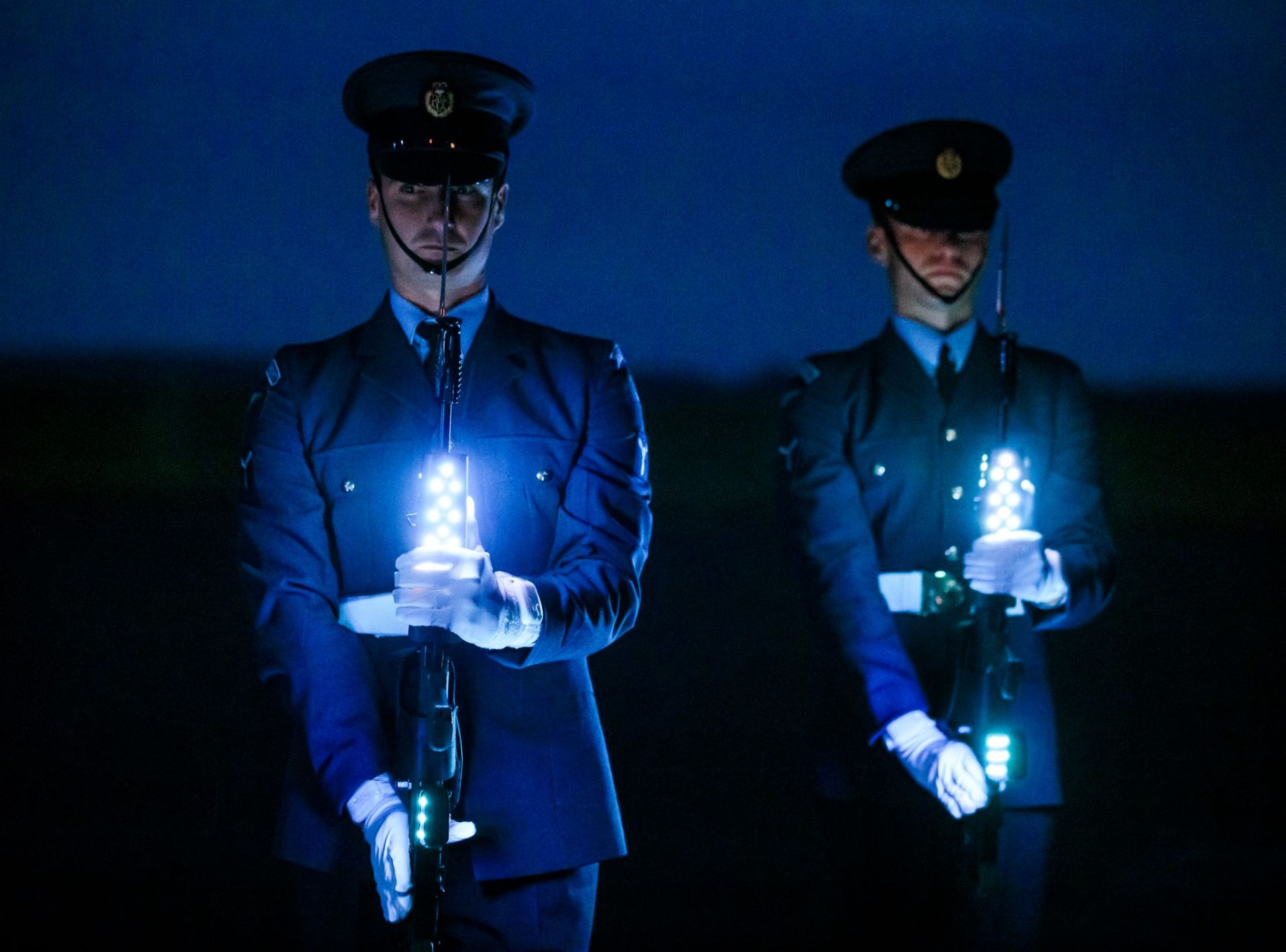
- The Receiver: Every single LED wristband—or other wearable like the custom Xylo Pendants we created for Formula One’s 75th-anniversary celebration—contains a tiny, pre-programmed receiver. Each receiver is tuned to listen for signals from the central transmitter. When a command is received, the wristband’s microprocessor executes it instantly, activating the embedded LEDs to produce the desired effect.
This RF system allows for the creation of massive, flowing visuals, like waves of color washing over a crowd or entire sections of an arena illuminating to highlight a key moment. It’s a powerful tool for creating a sense of unity and collective energy, turning 50,000 individuals into one colossal, living light show.
Precision and Integration: The Power of DMX
While RF is excellent for broad, large-scale control, professional lighting designers are accustomed to working with a specific industry-standard protocol: DMX (Digital Multiplex). DMX is the language of theatrical and concert lighting, used to control everything from stage spotlights and moving heads to fog machines. Integrating wearable LED technology directly into this existing ecosystem is crucial for seamless, professional-grade productions.
Our systems bridge this gap by allowing DMX commands to be fed into the RF transmitter. This means the lighting designer doesn’t need a separate, unfamiliar interface to control the crowd. The radio-controlled LED wristbands simply become another fixture in their lighting plot, programmable via the same grandMA or Avolites console they use for the rest of the show. This integration is critical for television broadcasts like ITV’s ‘Beat The Chasers’ or ‘The Masked Singer,’ where the audience’s light needs to be perfectly harmonized with the complex lighting cues of a fast-paced studio production.
This DMX integration empowers the creative team to treat the audience as an extension of the stage, painting with light in a truly 360-degree environment. The result is a more cohesive and professional visual experience, where every element of the production works in perfect harmony.
Up Close and Personal: Zonal Control with Infrared (IR)
What if you want to create a more intimate or targeted effect? Imagine an artist walking down a catwalk and having only the wristbands in their immediate vicinity light up as they pass. Or consider a corporate event activation where attendees’ LED lanyards illuminate as they enter a specific product zone. This is where Infrared (IR) technology comes into play.
Unlike the wide broadcast of RF, IR uses focused beams of light (invisible to the human eye) to transmit signals over shorter distances. Small IR transmitters can be strategically placed throughout a venue:
- Along a stage or catwalk
- At the entrances to specific zones
- Within an exhibition booth or activation area
When a wristband passes through the IR transmitter’s line of sight, it receives a specific command. This allows for incredibly precise, location-based effects that are independent of the main RF-controlled show. You could have a "river" of light that flows through the crowd, or create a "reveal" moment where a specific section is lit up as if by a searchlight. This zonal control adds a powerful layer of interactivity and surprise to corporate event activations and immersive events.
The Symphony of Signals
The true artistry of modern LED crowd experiences lies in using these technologies in concert. An event might use RF for the main, all-encompassing light show, DMX integration to give the lighting designer precise, unified control, and IR triggers to create surprising, localized moments of magic. The combination of these technologies transforms a simple LED wearable from a piece of merchandise into a key component of the show’s narrative and emotional arc.
From the massive-scale spectacle of a Coldplay stadium tour—the very inspiration for the first Xylobands—to the high-energy visuals of a Maluma concert, this invisible symphony of signals is what makes today’s most ambitious live productions possible. It’s a technology designed not just to be seen, but to be felt, fostering a profound connection between the artist, the audience, and the moment.