The Visionary’s Compass: A Leadership Playbook for the Live Experience
The Architecture of Trust
In the world of global tours, festival productions, and high-stakes brand activations, the final product—that seamless, breathtaking moment of collective experience—is built on a foundation that the audience never sees. This foundation is trust. For leaders in creative, production, and touring agencies, the primary role is not to command, but to cultivate an ecosystem of trust that can withstand immense pressure, logistical complexity, and the ever-present potential for chaos.
Leadership in this industry is the art of building a silent, resilient architecture of trust. It’s a framework that allows hundreds of individuals across dozens of specialisms—from lighting design to logistics, rigging to RF technology—to operate with a shared sense of purpose and psychological safety. When a tour manager for an artist like Maluma prepares for a stadium show streamed to 240 countries, or when a production team for Formula One is tasked with celebrating 75 years of history, their success hinges not on one person’s vision, but on the collective’s ability to execute that vision flawlessly. That ability is a direct product of trust.
Blueprint for a High-Trust Team
Building this framework requires a deliberate, methodical approach. It’s not about abstract team-building exercises; it’s about embedding specific principles into the operational DNA of the organisation.
1. Define the Creative Intent, Then Decentralise the Execution
Visionary leadership starts with a clear, compelling creative brief. What is the story? What is the feeling we are trying to evoke? Once this North Star is established, the leader’s job is to step back and empower their specialists. A lighting director doesn’t need to be told which specific fixtures to use; they need to understand the emotional arc of the show. A logistics lead for a multi-continent tour needs to understand the non-negotiable delivery deadlines, and then be given the autonomy to solve the complex routing and customs challenges that arise.
By defining the “what” and the “why,” but not the “how,” leaders unlock the full potential of their teams. It’s the difference between micromanagement and true creative enablement. This is how you get groundbreaking LED crowd experiences that feel like a genuine extension of the artist’s performance, rather than a tacked-on effect.
2. Engineer Psychological Safety
The live event environment is, by its nature, a high-pressure cooker. Timelines are tight, budgets are fixed, and the show *must* go on. In this context, fear of failure can be paralysing. True leaders create an environment where technical challenges and human errors are treated as data points for improvement, not as reasons for blame. When a radio-frequency conflict arises moments before showtime, the team needs to feel safe enough to communicate the problem instantly and collaborate on a solution without fear of retribution.
"Psychological safety isn’t about being ‘nice,’" explains one veteran tour director. "It’s about creating a zero-hesitation environment. It’s the confidence that your team can raise a red flag the second they see one, knowing the collective focus will be on the solution, not the blame."
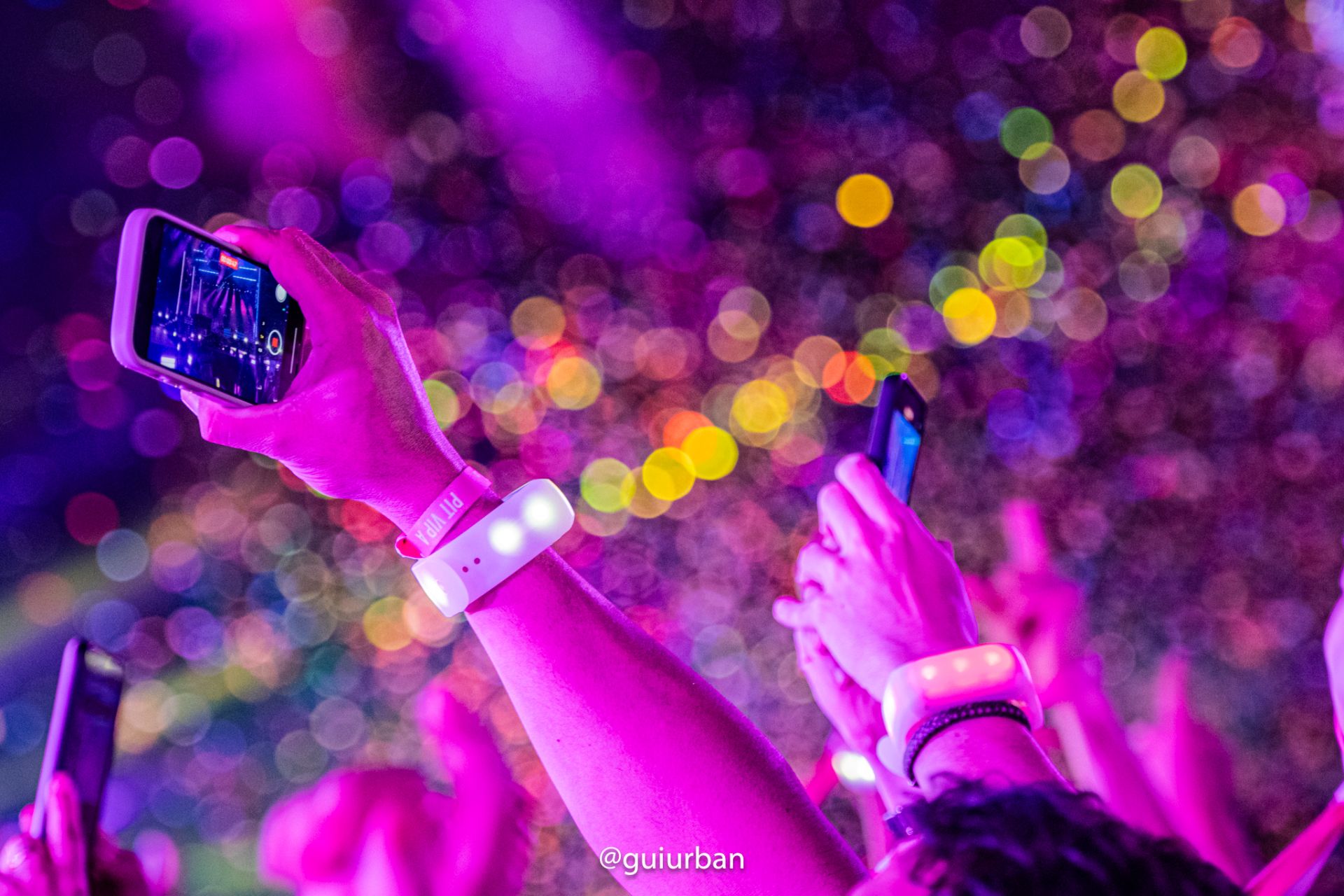
This is critical when deploying sophisticated immersive event technology, where the interface between software, hardware, and the live environment is complex. Whether it’s radio controlled LED wristbands or networked lighting fixtures, flawless performance requires a team that is not afraid to stress-test, question, and identify potential points of failure long before the doors open.
3. Master the Art of Translation
Effective leaders in this space are master translators. They can articulate a high-level creative vision from a brand like Samsung or an artist like Wizkid into concrete technical requirements for an RF engineer. They can translate the logistical constraints of a festival site into a realistic operational plan for the creative team. They speak the language of finance, of creative, of technology, and of logistics.
This ability to bridge different worlds prevents the silos that so often derail major productions. When the team behind the Glastonbury wristbands concept first approached Coldplay, the success of that meeting hinged on translating a creative spark into a viable technical and logistical plan. The same is true for every major event, from the Davis Cup to a corporate event for Coca-Cola. The leader is the central node, ensuring that all departments are not just co-existing, but truly collaborating.
The Resilient Organisation
Ultimately, the goal is to build a resilient organisation—one that can absorb the inevitable shocks and setbacks of live production without fracturing. A delayed shipment, a sudden change in venue layout, a technology failure—these are not theoretical risks, but daily realities. A resilient team, bound by trust and clear communication, doesn’t just survive these challenges; it thrives on them.
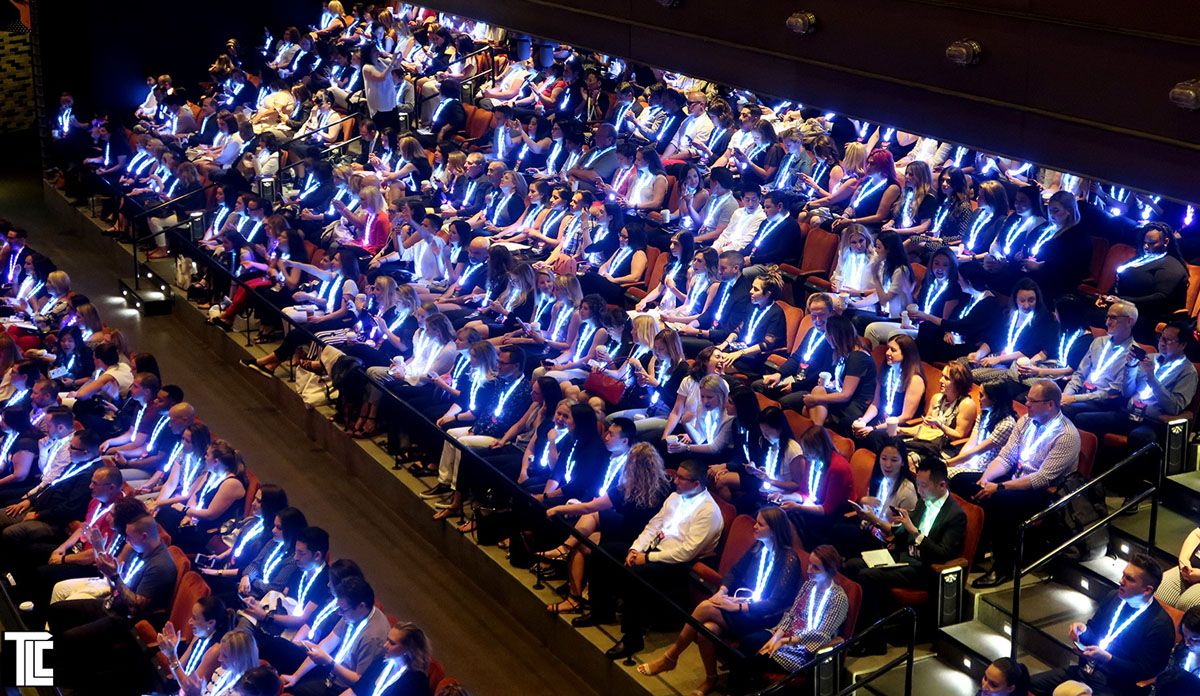
As a company that has powered over 10,000 events, we at Xylobands have seen this firsthand. Our technology, from LED lanyards at a corporate conference to a stadium-wide deployment of our latest LED bracelets, is only as effective as the team operating it. We have had the privilege of working with some of the best leaders in the business, and they all share this common trait: they are obsessive architects of trust.
They understand that the real magic of a live event isn’t just in the lights, the sound, or the spectacle. It’s in the unseen framework of human connection and professional respect that allows thousands of moving parts to align for one perfect, unforgettable moment. That is the visionary’s true compass.