The Discipline of Discovery: Inside the R&D of a Global Event Tech Brand
The Misconception of the Big Idea
In the world of technology and live entertainment, there’s a persistent myth: the lone inventor, struck by a single, brilliant idea that changes everything overnight. The reality is far less cinematic and infinitely more demanding. The initial spark—the “big idea”—is often the easiest part of the journey. The real work, the engine that drives a global event-tech brand, is the relentless, disciplined process of research and development.
True innovation isn’t a lightning strike; it's a culture. It’s a daily commitment to pushing boundaries, asking difficult questions, and embracing the possibility of failure as a stepping stone to progress. For a company like Xylobands, which pioneered the concept of wearable LED technology for live audiences, the journey from a flash of inspiration at Glastonbury to a global standard in immersive event technology is a testament to this disciplined approach.
From a Festival Field to a Global Phenomenon
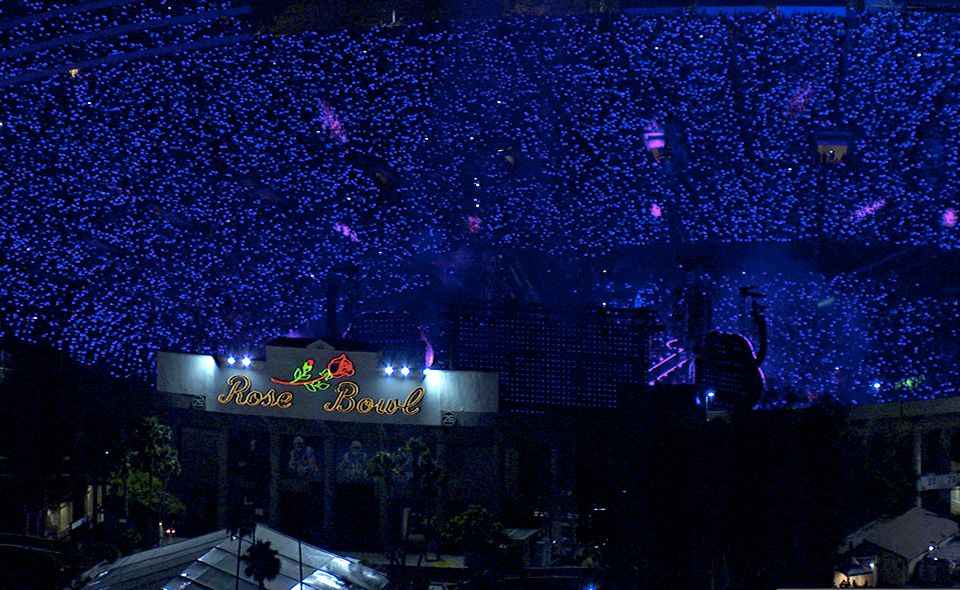
The origin story is well-known: a founder watching Coldplay, hearing the lyrics “Lights will guide you home,” and imagining a crowd transformed into a single, pulsating canvas of light. That idea gave birth to the first Xylobands, which debuted on the Mylo Xyloto tour and fundamentally altered the relationship between artist and audience. But what happens after the tour ends and the lights go down?
That's where the real R&D begins. The first generation of radio controlled LED wristbands was a breakthrough, but it was also a starting point. The market, the artists, and the audiences immediately began to ask, “What’s next?” Answering that question requires more than just creativity; it demands a robust, strategic, and perpetual R&D engine. It requires a philosophy of the “perpetual prototype,” where every product is both a solution and a stepping stone to the next iteration.
The Three Pillars of Event-Tech R&D
A culture of constant innovation doesn’t just happen. It’s built on a framework that can systematically turn abstract ideas into tangible, reliable, and scalable technology. This framework stands on three core pillars:
1. Artist & Designer-Centric Development
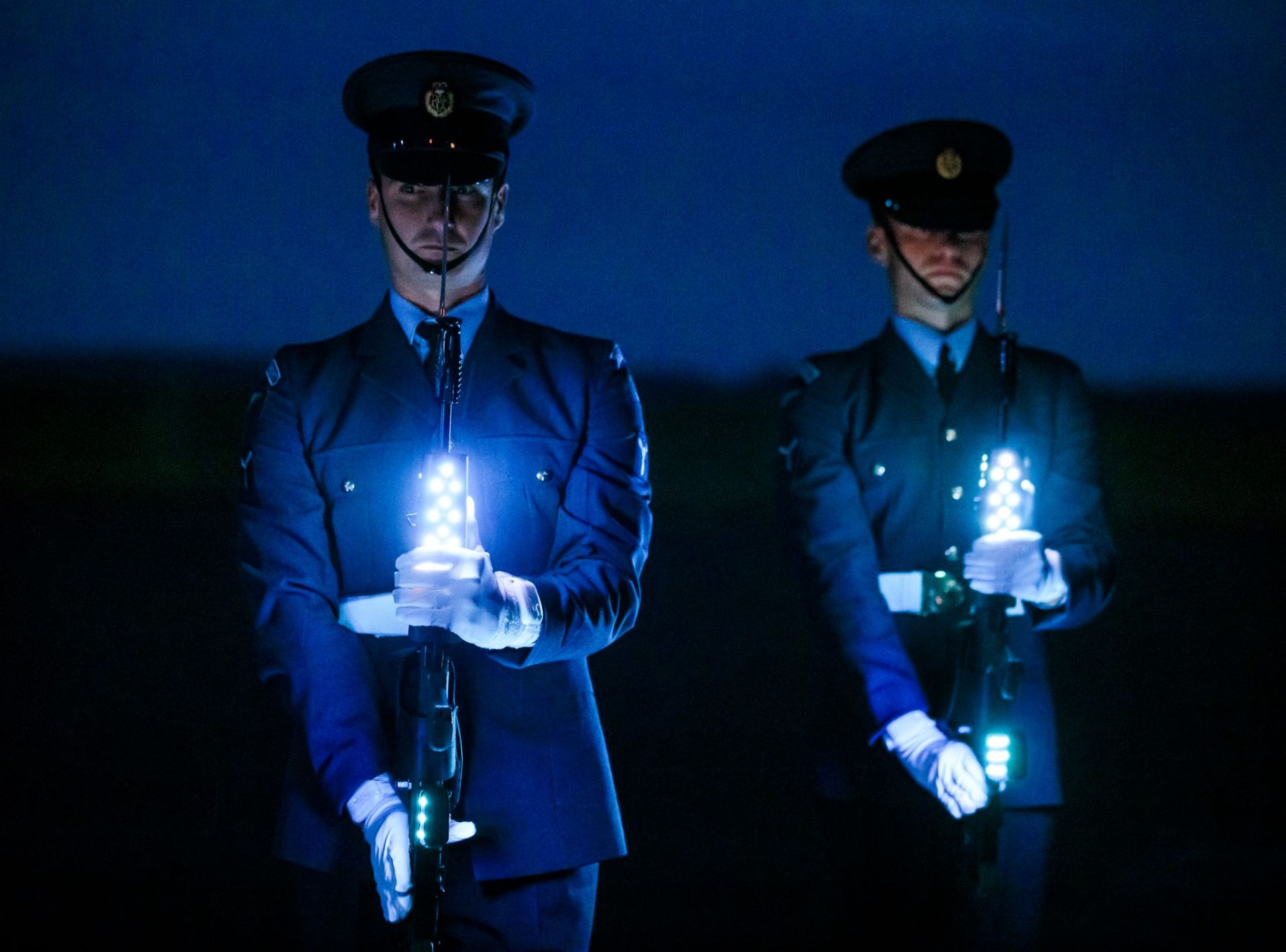
The technology exists to serve the vision. Our R&D process is fundamentally collaborative, working backwards from the creative goals of artists, tour managers, and show designers. When Maluma wanted to create a historic homecoming concert in Medellín for 54,000 fans, streamed to millions more, the technology had to deliver intimacy at a massive scale. When Formula One sought to celebrate its 75th anniversary with a complex, multi-branded experience, the tech needed to be flexible, allowing for custom pendants that segmented the audience for targeted lighting effects. These collaborations are our laboratory. The unique challenges posed by world-class creatives—from the team behind the Coldplay Xylo Band experience to the producers at ITV—are the catalysts for our most significant breakthroughs. The goal isn’t just to provide a product, but to build a toolset that expands the creative possibilities of LED crowd experiences.
2. The Pursuit of Technical Supremacy
In a live environment, there is no room for error. A single point of failure can compromise the entire experience for tens of thousands of people. This zero-failure mandate drives the technical side of our R&D. It’s about more than just brighter lights or longer battery life. It’s about signal integrity in a stadium filled with RF interference. It’s about designing robust logistics for deploying and collecting tens of thousands of units for clients like Wizkid at the O2 Arena, ensuring sustainability is built into the operational DNA. It’s about developing proprietary software that gives show operators intuitive, powerful control to create breathtaking moments of crowd choreography. This pursuit of technical excellence is unseen by the audience but is the absolute bedrock of every spectacular moment they experience.
3. Audience-Focused Immersion
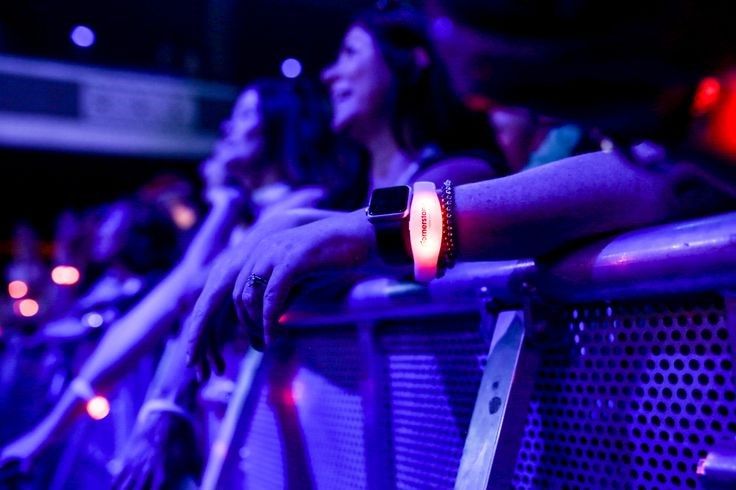
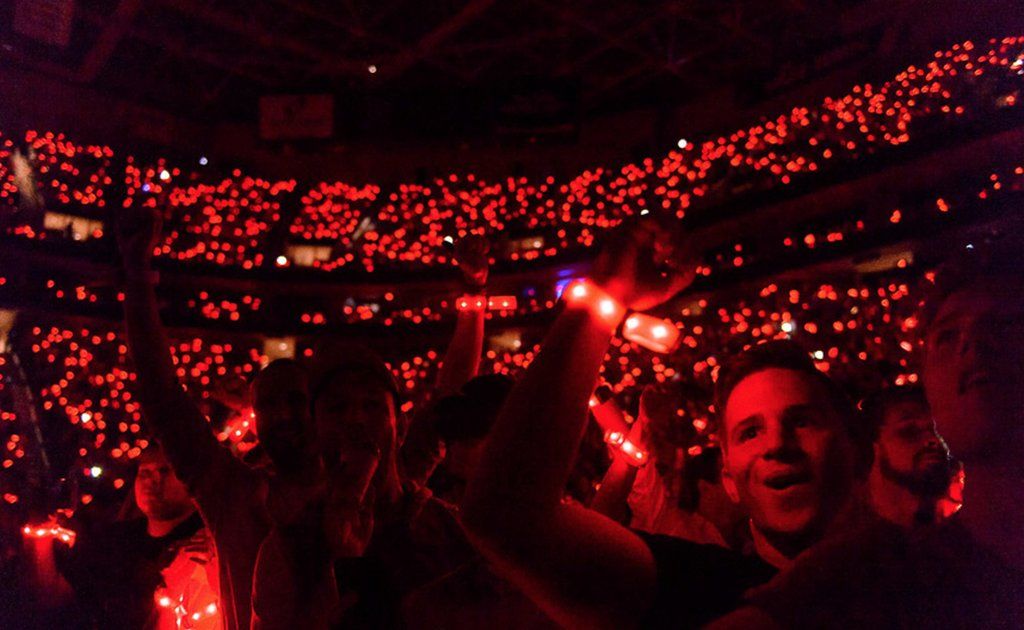
Ultimately, the technology is for the audience. The goal of immersive events is to move people from passive spectators to active participants. Our R&D is deeply rooted in understanding the human element of a live show. How does a sudden pulse of light affect the energy of a crowd? How can we use wearable tech to create moments of connection and shared identity? From concert wristbands that unite a stadium to LED lanyards that transform a corporate conference, the objective is the same: to deepen engagement and make every single person feel like they are part of something bigger than themselves. This focus has led to the development of a diverse range of products, from our classic LED bracelets to versatile LED orbs, each designed to serve a different type of immersive experience, whether it's for a music festival like Primer or a high-stakes corporate event.
Beyond the Wristband: A Culture of Questioning
"The moment you believe you have a finished product is the moment you become obsolete. The work is never done. Every event, every client, every new technological frontier is an invitation to ask, ‘What if?’"
A true R&D culture isn't confined to a lab or a department. It’s a mindset that permeates every aspect of the organization. It’s in the logistics teams figuring out more sustainable ways to manage global tours. It’s in the client managers listening intently to the ambitious, seemingly impossible ideas of a creative director. It’s in the software developers writing code that anticipates the needs of a lighting operator in a high-pressure environment.
Innovation isn't the result of a single idea, but the product of a disciplined, continuous, and collaborative process of discovery. It’s the commitment to asking, "What’s next?" and having the courage, the team, and the technical infrastructure to find out. That is the unseen engine that powers the world's greatest live spectacles, turning a simple flash of light into a shared human experience.