The Empathy of Light: Designing for Universal Connection in Live Events
The Universal Language of Light
At its core, a live event is a catalyst for connection. It’s a space where thousands of individuals coalesce into a single, breathing entity, unified by a shared experience. But what if the language of that experience isn’t universal? What if the very elements designed to thrill and captivate—the roaring sound, the dazzling strobes—create barriers for some? This is the critical challenge of our time: to move beyond simply gathering a crowd and instead, truly connecting a community. This requires a deeper, more empathetic approach to design, one that leverages every tool at our disposal to ensure every single person feels they belong.
Sensory Inclusion: Beyond the Auditory
For many, the primary experience of a concert or festival is auditory. But for individuals who are d/Deaf or hard of hearing, or those with sensory processing sensitivities, the sonic landscape can be isolating or overwhelming. This is where the power of light as a complementary, and at times, primary, sensory language comes into focus. It’s a tool not just for illumination, but for translation and inclusion.
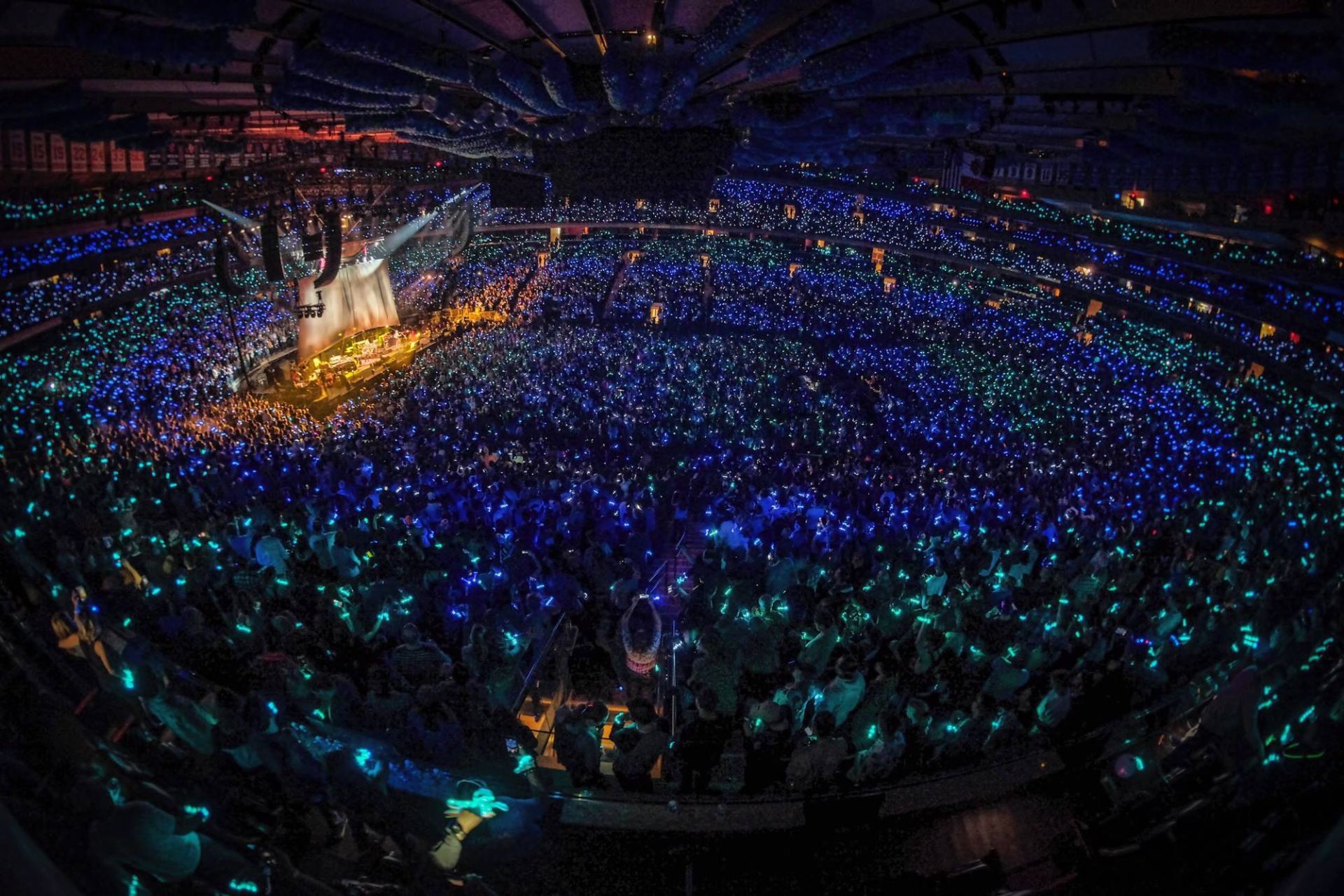
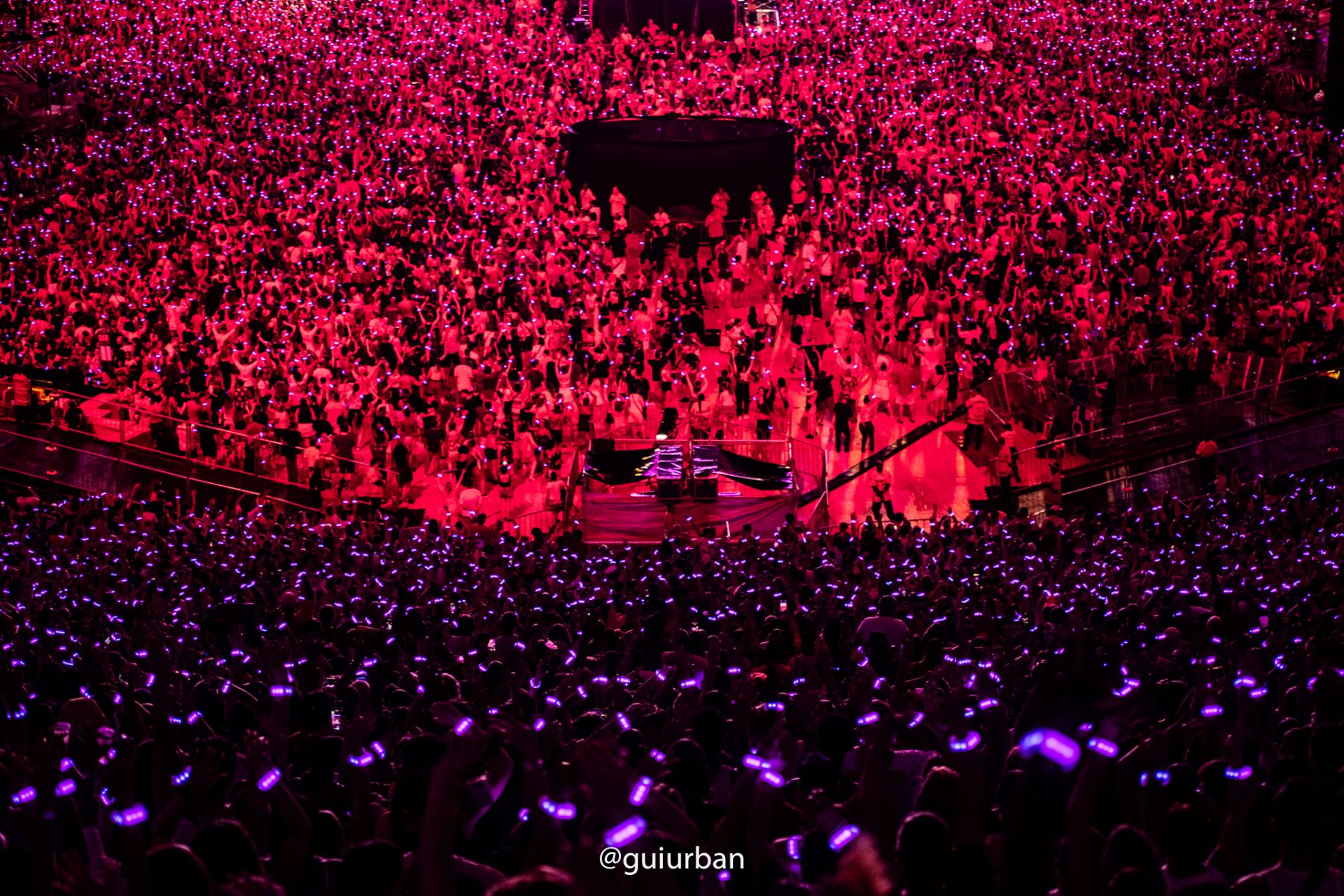
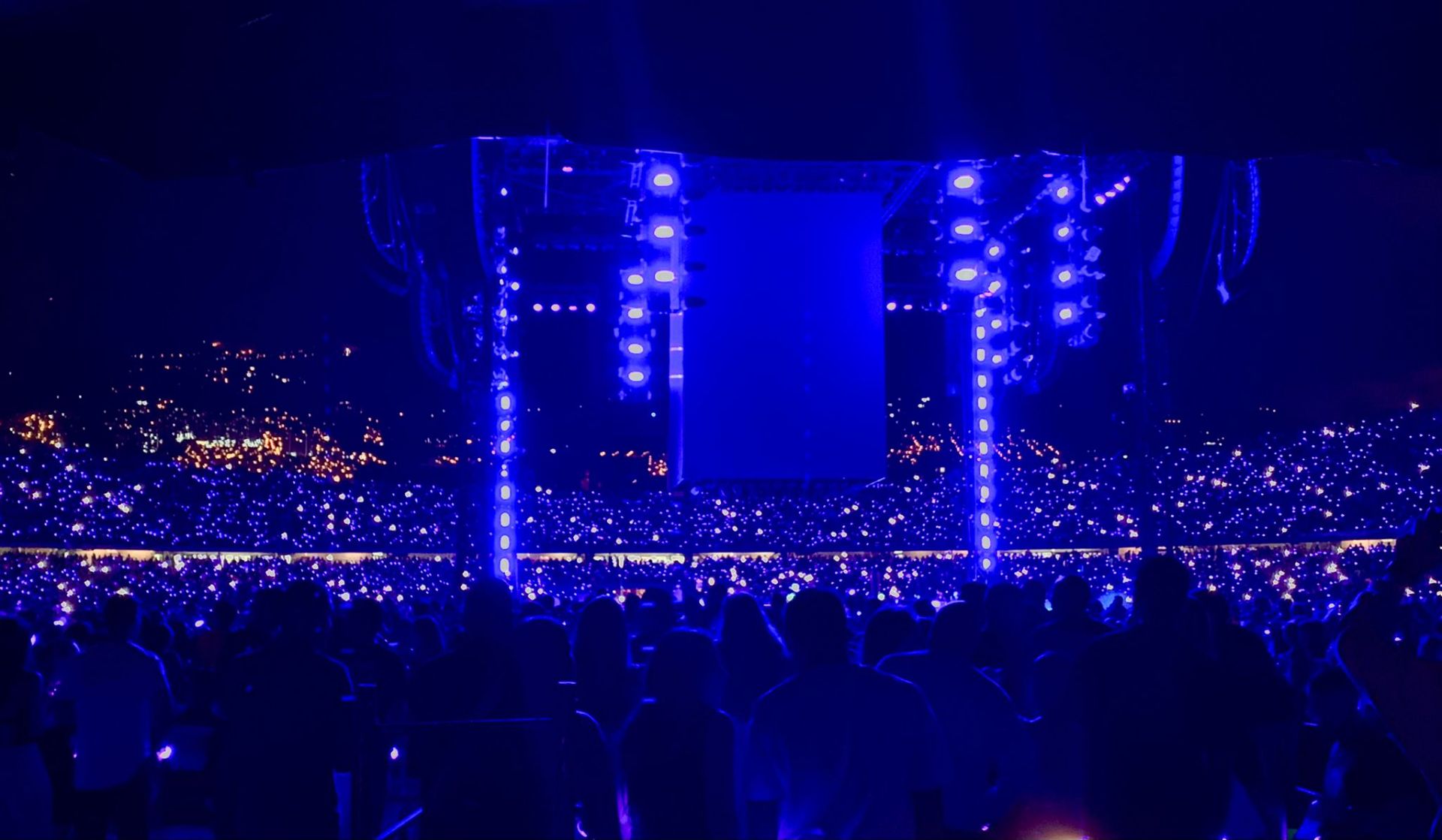
Consider the potential of a massive, synchronized visual experience. When 70,000 wrists light up in unison, as they did during Japanese pop star Aiko's "Love Like Pop Vol. 21" tour, the music gains a physical, visible form. The rhythm is no longer just something you hear; it’s something you see, something you feel pulsing on your skin. This is the essence of Immersive Event Technology. For a fan who experiences sound differently, this isn't just a neat effect; it’s a bridge. The crescendo of a chorus is now a wave of brilliant color washing over the crowd. The beat is a staccato flash of light, perfectly in time. The shared emotional arc of the show becomes accessible through a different, yet equally powerful, sensory channel.
Engineering a Shared Reality
This level of sensory synchronization doesn’t happen by accident. It is the result of meticulous engineering and a deep understanding of how to craft LED Crowd Experiences. Using technologies like radio-frequency (RF) control, our technicians can paint with light on a vast canvas, turning tens of thousands of individual LED Bands into a single, cohesive display. Every Xyloband becomes a pixel in a larger masterpiece.
This technology allows for a nuanced and dynamic approach to inclusive design. It’s not about just flashing lights. It’s about creating a visual and kinesthetic language that complements the auditory one. It’s about building swells of gentle, flowing color for a ballad or sharp, energetic bursts for a high-tempo track. For someone who might be overwhelmed by sudden, chaotic noise, a predictable and synchronous light show can be a grounding presence, a visual anchor in a sea of stimulation. It’s a way to participate in the collective energy without sensory overload.
Designing for the Edges to Benefit the Center
A fascinating principle in inclusive design is that solutions created for the "edges"—for those with the most specific needs—almost always create a better experience for everyone. A ramp designed for wheelchair access also benefits parents with strollers and workers with equipment carts. Similarly, designing with sensory diversity in mind elevates the entire event.
When you use Wearable LED Technology to visualize the music, you’re not just providing an access point for the hearing impaired; you’re creating a more profound and multi-sensory experience for every single attendee. The fan in the back row, who might feel distant from the stage, is now an integral part of the spectacle. Their wristband connects them directly to the artist and to every other person in the venue. This principle of unified design has been seen in global broadcast events like Eurovision and at major sporting spectacles, where creating a visually coherent and engaging atmosphere for the cameras and the stadium audience is paramount. The technology transcends language, culture, and ability, creating a single point of focus and shared emotion.
The Future is Empathetic
The future of live entertainment lies not just in bigger stages or louder sound systems, but in smarter, more empathetic design. It’s about asking who might be left out by our creative choices and then innovating to bring them in. Light is one of the most powerful and primordial tools we have to do this. It can be gentle or powerful, intimate or epic. It can communicate emotion, rhythm, and narrative without a single sound.
As we continue to push the boundaries of what is possible in Immersive Events, we must place inclusivity at the core of our innovation. By embracing technologies that allow us to communicate in a richer, more diverse sensory language, we can build experiences that are not just spectacular, but also truly welcoming. We can create moments of universal connection where every individual, regardless of how they perceive the world, feels the same truth: You are part of this. You belong here.