Engineered for the Lens: The Technical Art of the Live Broadcast Experience
The Two-Audience Problem
In the world of live television production, there is a fundamental and persistent challenge: you are always serving two distinct audiences. The first is the live studio audience, a room full of people whose energy and engagement are critical to the atmosphere of the show. They crave connection, participation, and a palpable sense of being part of something special. The second is the broadcast audience, the millions viewing at home, who require a visually compelling, seamlessly produced narrative that translates through the screen. Satisfying one often comes at the expense of the other.
Traditional studio lighting, for example, is calibrated for the camera. It demands brightness, precision, and control to ensure the performers and set are perfectly lit for the television frame. Yet, these same conditions can often leave the live audience feeling exposed, washed out, and disconnected from the action. The very tool used to create a spectacle for the viewer at home can diminish the experience for the person in the seat. This is the two-audience problem, and solving it requires moving beyond the stage to engineer the entire environment — including the crowd itself.
The Crowd as the Canvas: A New Broadcast Philosophy
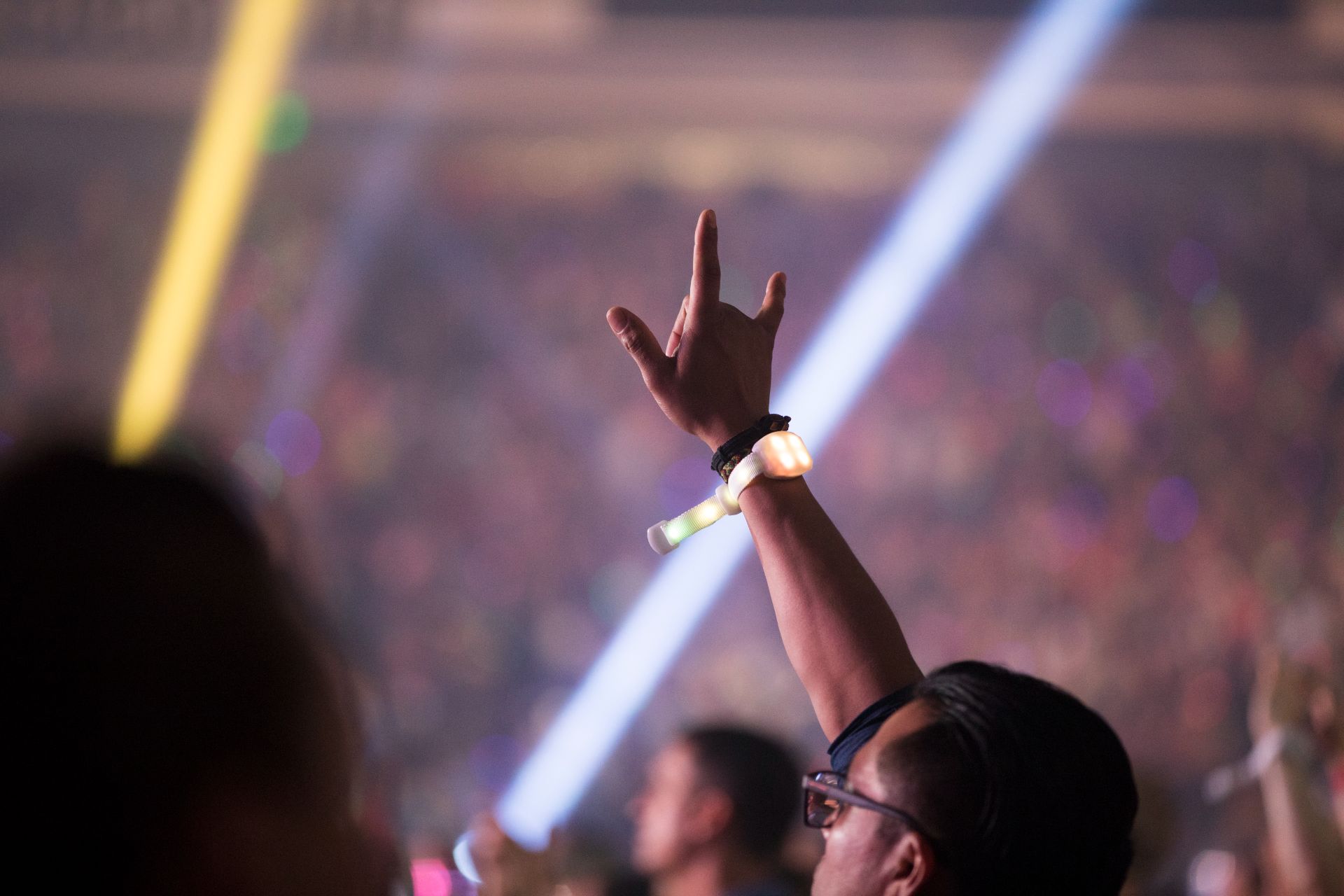
What if the audience was not just an audio track of applause and laughter, but a living, breathing part of the visual spectacle? This is the question that has redefined the production philosophy for some of the world’s most forward-thinking broadcasters, including long-term Xylobands collaborators, ITV. By integrating Wearable LED Technology directly into the crowd, the audience is transformed from a passive observer into an active, illuminated canvas.
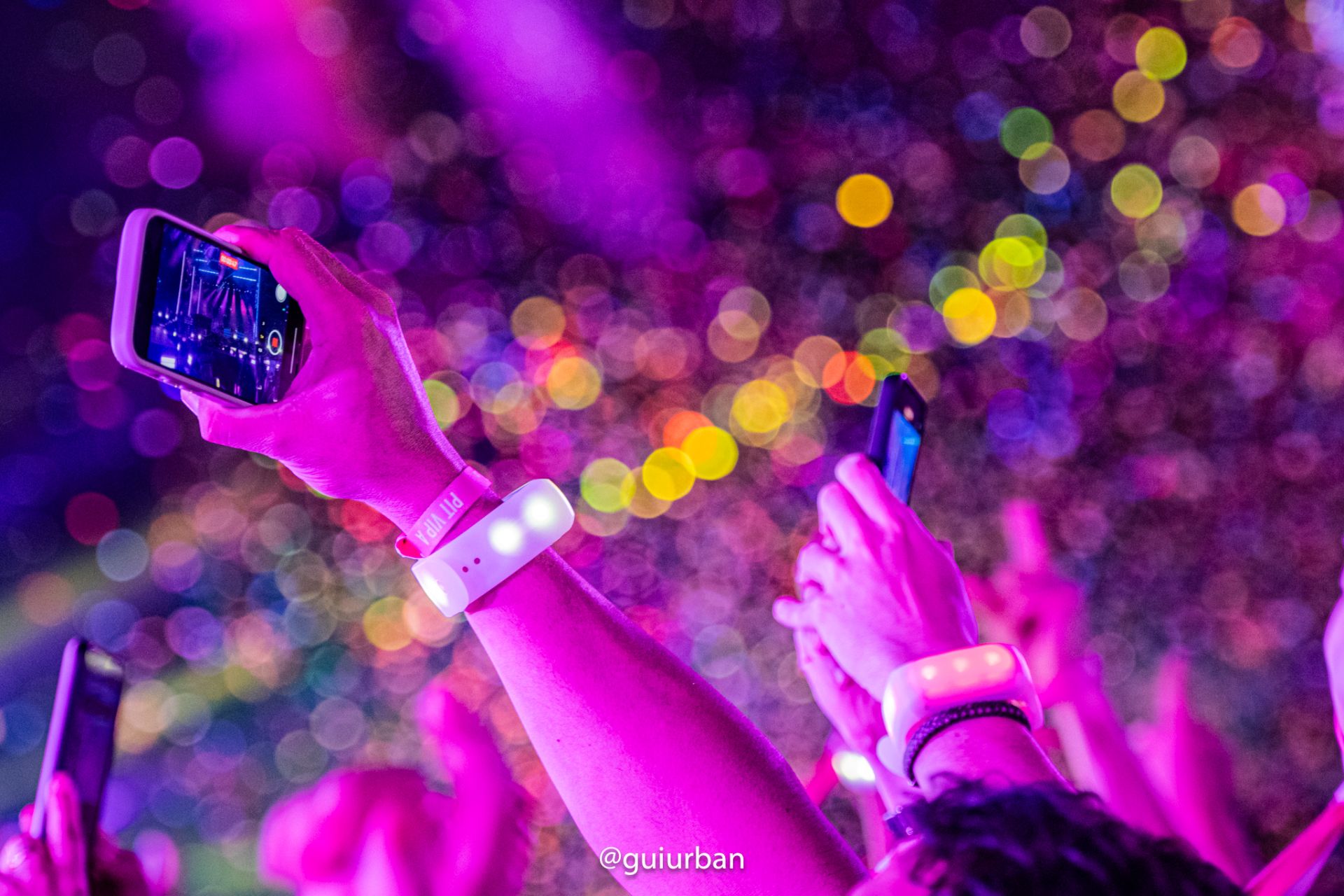
This approach leverages Radio Controlled LED Wristbands to create moments of collective, synchronized light. It’s a powerful tool that bridges the gap between the live and broadcast experience. For the studio audience, the feeling is electric. Suddenly, they are no longer sitting in a static, brightly lit room; they are part of a dynamic light show. Their wristband, a personal connection to the production, pulses in time with the music, flashes to build tension, and floods the room with color to celebrate a climactic moment. This fosters a profound sense of unity and participation, dramatically elevating the live experience.
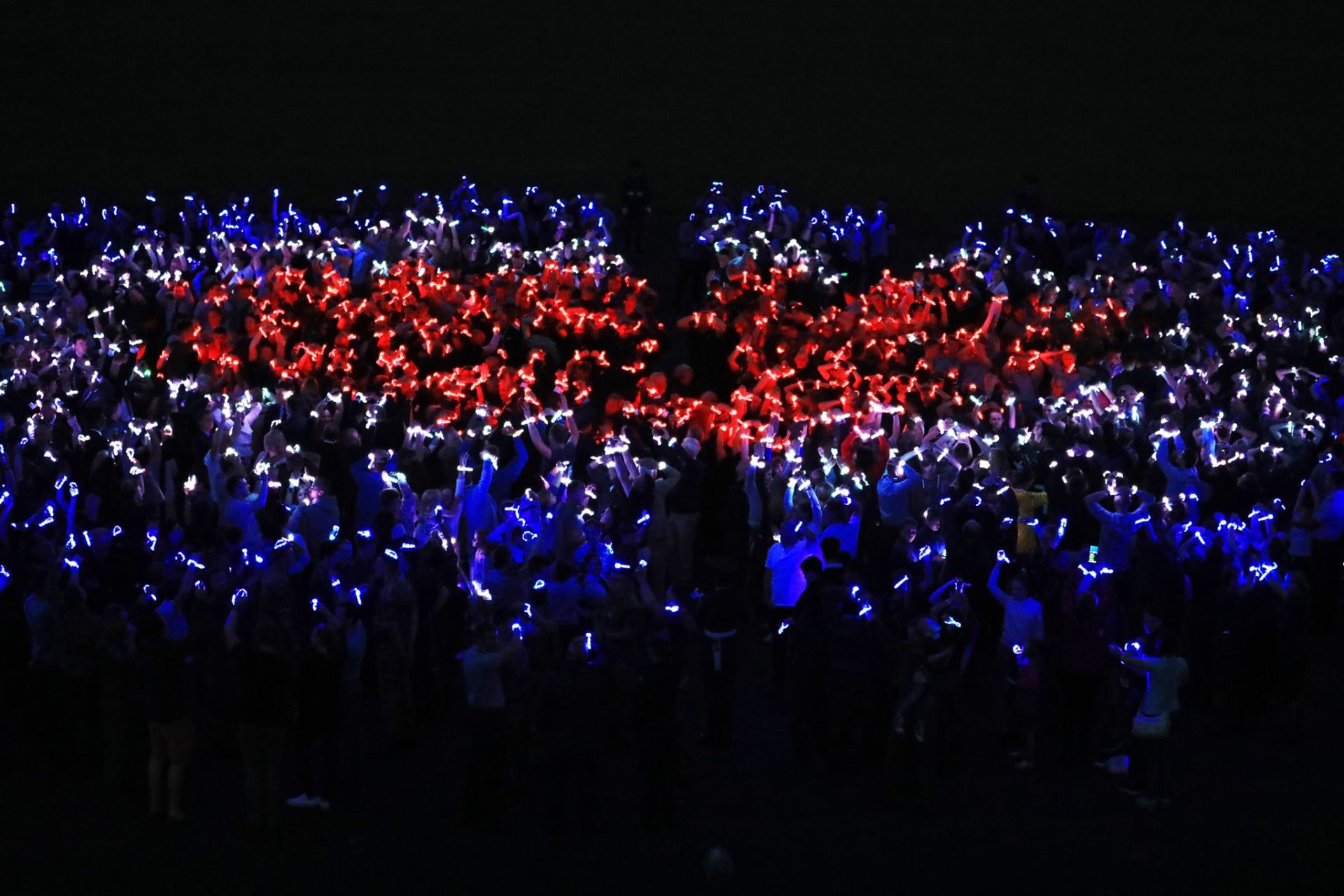
For the broadcast audience, the effect is equally transformative. The director is no longer limited to tight shots of the performers to avoid a dark, uninteresting background. Instead, wide shots become immersive spectacles. The camera can pull back to reveal the entire studio pulsating with light, the crowd becoming a dynamic, textured element of the set design. These LED Crowd Experiences add scale, depth, and a visual energy that is impossible to replicate with traditional lighting alone.
Inside the ITV Collaboration: A Study in Broadcast Immersion
Our work with ITV on programmes like Beat The Chasers provides a perfect technical case study. In a high-stakes quiz format, managing tension is everything. The quiet moments are as important as the dramatic ones. With a Xylobands system, the lighting director has granular control over the atmosphere, using the audience as an instrument.
Imagine a contestant is facing a difficult question. The wristbands across the studio can be programmed to a slow, tense, deep blue pulse, visually reinforcing the drama for the home viewer while creating a palpable sense of suspense in the room. When they answer correctly, the entire studio can erupt in a flash of brilliant white light. This isn’t just decorative; it’s narrative. It’s a form of storytelling that unifies the two audiences in a single, shared emotional arc.
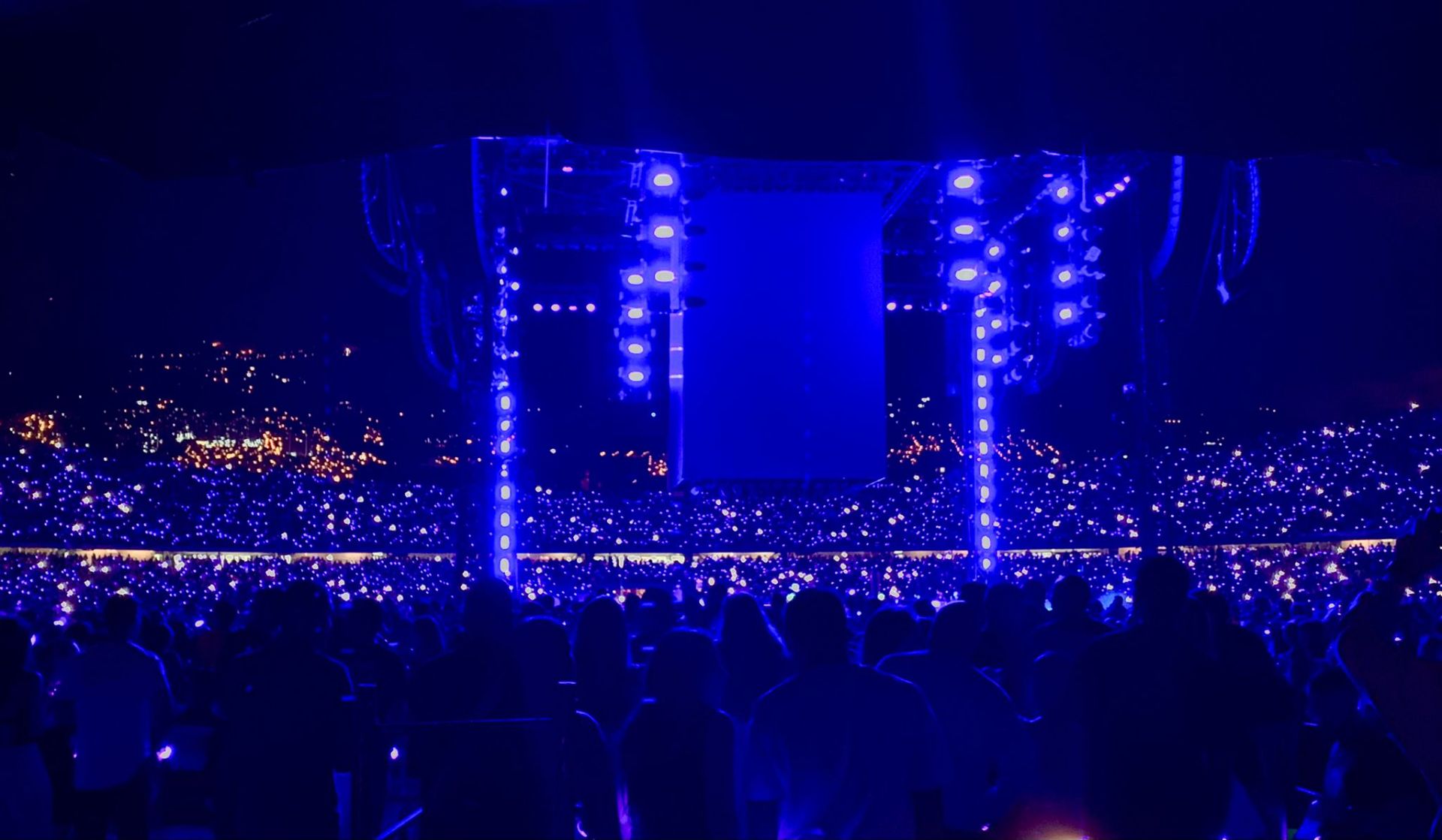
This methodology, proven in the studio, is built on a foundation of robust LED Event Technology that is both scalable and versatile. The same core principles that create tension for a few hundred people in an ITV studio can be expanded to ignite a crowd of 54,000, as seen at Maluma’s historic hometown concert in Medellín, which was streamed live to over 240 countries. The technology allows a single lighting operator to choreograph an entire stadium, turning tens of thousands of individuals into one cohesive visual entity for a global broadcast audience.
From Studio Wristbands to Festival Spectacles
The applications extend across every genre of live event. At the 75th anniversary of Formula One at The O2 Arena, we deployed 13,000 custom LED Lanyards, allowing for unique branding and targeted lighting effects across different hospitality tiers, all synchronised within a complex 2-hour live broadcast. For music festivals like Greece’s PRIMER, our Festival Wristbands transform sprawling outdoor venues into contained, immersive environments, connecting thousands of fans to the beat. Even in the world of premier sports, from the Davis Cup to the Rugby World Cup, this technology is used to heighten key moments and amplify fan energy for the camera.
Engineering the Future of the Shared Experience
The line between a live event and a broadcast production has never been more blurred. In this new landscape, success is not just about capturing a performance; it’s about engineering a holistic experience that captivates both the audience in the room and the millions more watching on a screen. It demands a new way of thinking, where the crowd is not a liability to be lit, but an asset to be leveraged.
By transforming the audience into the spectacle itself, broadcasters and event producers can solve the two-audience problem. They can create a more engaging and memorable experience for the live attendee while delivering a richer, more dynamic, and visually stunning product for the broadcast. It is the art of engineering for the lens, and it ensures that no matter where you are watching from, you are part of the show.