From Applause to Algorithms: The Evolution of Audience Interaction
The Primal Urge to Participate
From the roar of the Colosseum to the responsive chants in Shakespearean playhouses, the desire for audiences to be more than passive observers is as old as performance itself. In its earliest forms, participation was purely analog and acoustic: applause, laughter, call-and-response. It was a direct, visceral connection between the stage and the seats, a feedback loop powered by human emotion. This fundamental need—to be seen, to be part of the action, to influence the narrative—has driven centuries of innovation, transforming the spectator from a consumer of entertainment into an active participant.
The Dawn of Electronic Interaction
The 20th century introduced the first wave of technological intervention in audience participation. Broadcast media, while seemingly a one-way street, began experimenting with ways to bridge the distance. Radio call-in shows and television voting lines for talent competitions were early, yet revolutionary, steps. For the first time, an audience member’s voice could traverse miles and be heard, their opinion tallied to influence outcomes. In a live setting, this was mirrored by simple, yet effective, tools like applause meters, which visually represented the crowd’s enthusiasm, turning collective sound into a measurable, competitive metric. These were the foundational steps, laying the groundwork for a more deeply integrated future.
The Digital Shift: A New Language of Engagement
The arrival of the internet and mobile technology marked a seismic shift. The one-to-many model of broadcast began to fragment into a many-to-many network of communication. Social media walls at conferences and live-tweeting during television events turned passive viewing into an active, public conversation. Suddenly, the audience wasn’t just communicating with the stage; they were communicating with each other, forming a vast, digitally connected community in real-time.
This era also saw the rise of more sophisticated in-venue tools. Event-specific mobile apps allowed for real-time polls, Q&A sessions, and gamification, giving event producers a direct line to every individual in the room. This wasn’t just about measuring applause anymore; it was about harvesting specific data, opinions, and interactions, allowing for a more nuanced and responsive event experience. The challenge, however, remained one of focus. With every eye looking down at a personal screen, the sense of collective, shared experience risked being diluted.
The Immersive Revolution: The Audience as a Canvas
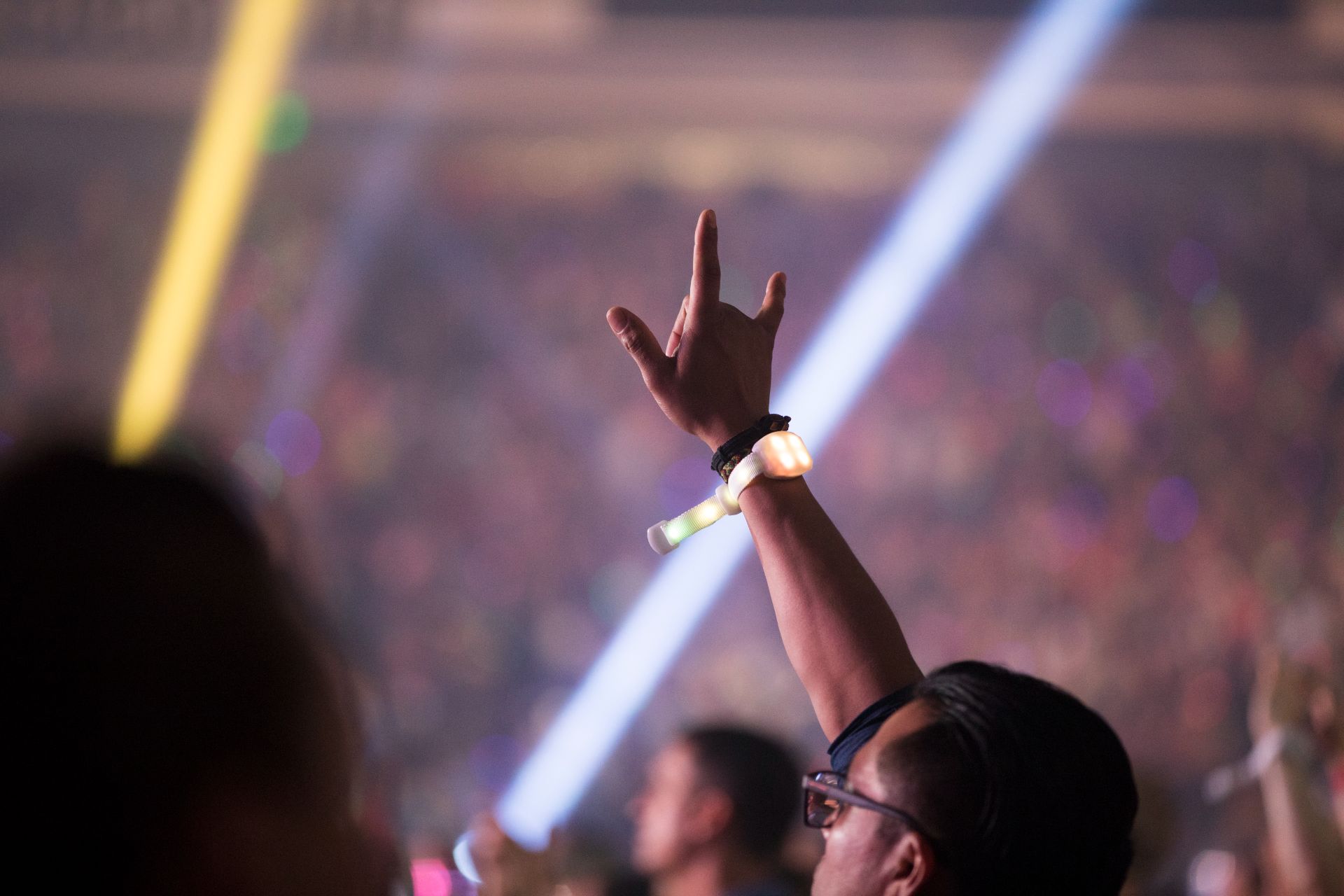
The true breakthrough came when the focus shifted from individual screens back to the collective space. This is the chapter where Xylobands enters the story. The invention of radio-controlled LED wristbands was more than an evolution; it was a revolution. The concept, first brought to life on a global scale during Coldplay’s Mylo Xyloto tour, was born from a desire to make every single audience member a part of the show’s visual DNA.
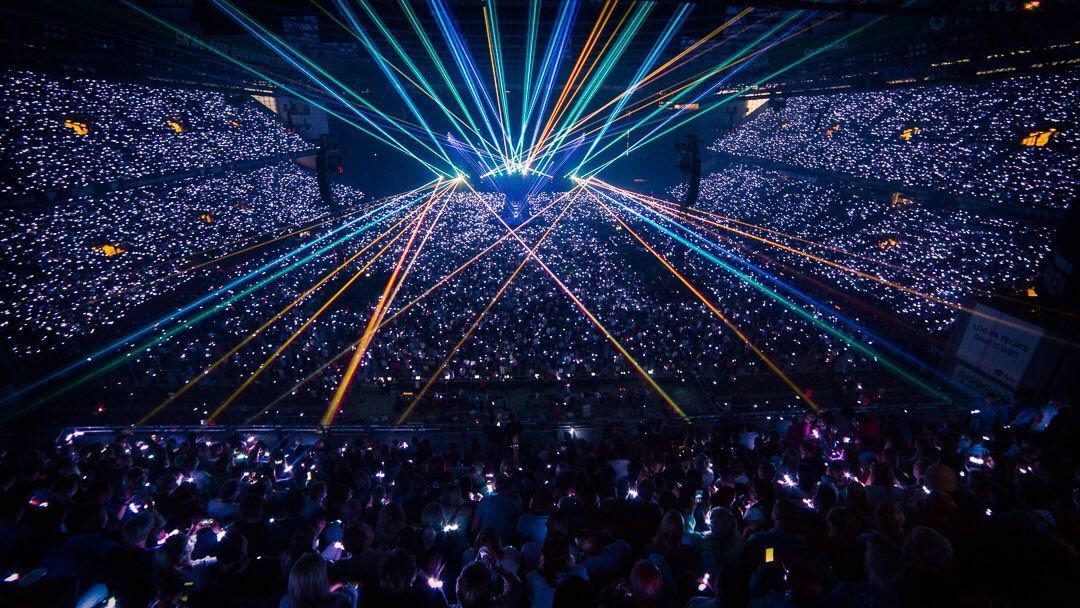
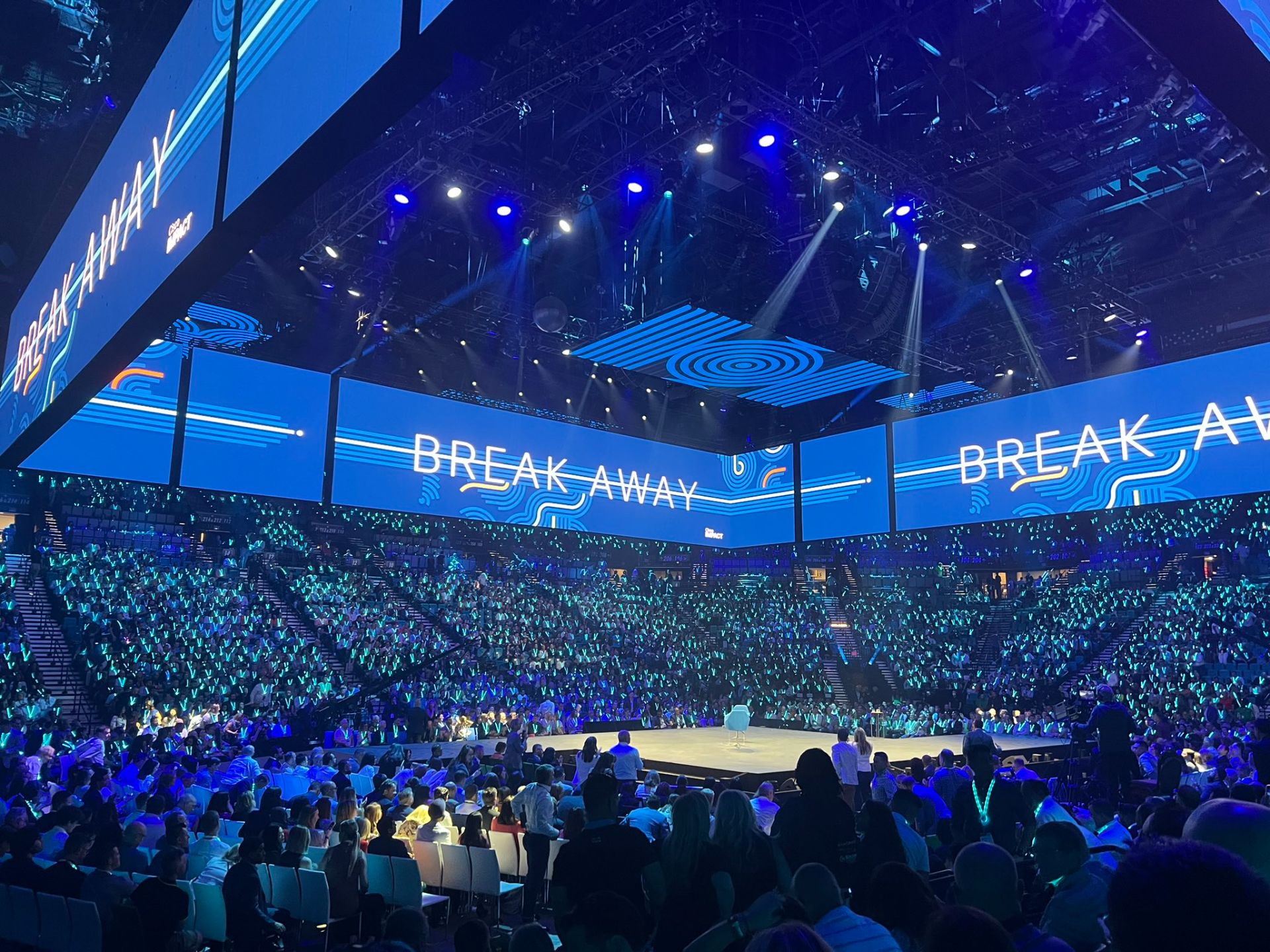
This wasn’t about asking the audience to do something. It was about transforming them, effortlessly and synchronously, into a living, breathing canvas of light. With wearable LED technology, a lighting designer’s reach extended beyond the stage and trusses, right to the wrist of every fan. Suddenly, entire stadiums could pulse with color, synchronized to a single beat. This technology allows for the creation of breathtaking LED crowd experiences, turning tens of thousands of individuals into a single, cohesive entity. It’s a principle we’ve seen deployed to incredible effect, from major music festivals like Greece’s PRIMER to the historic three-night, sold-out run for Wizkid at London's O2 Arena.
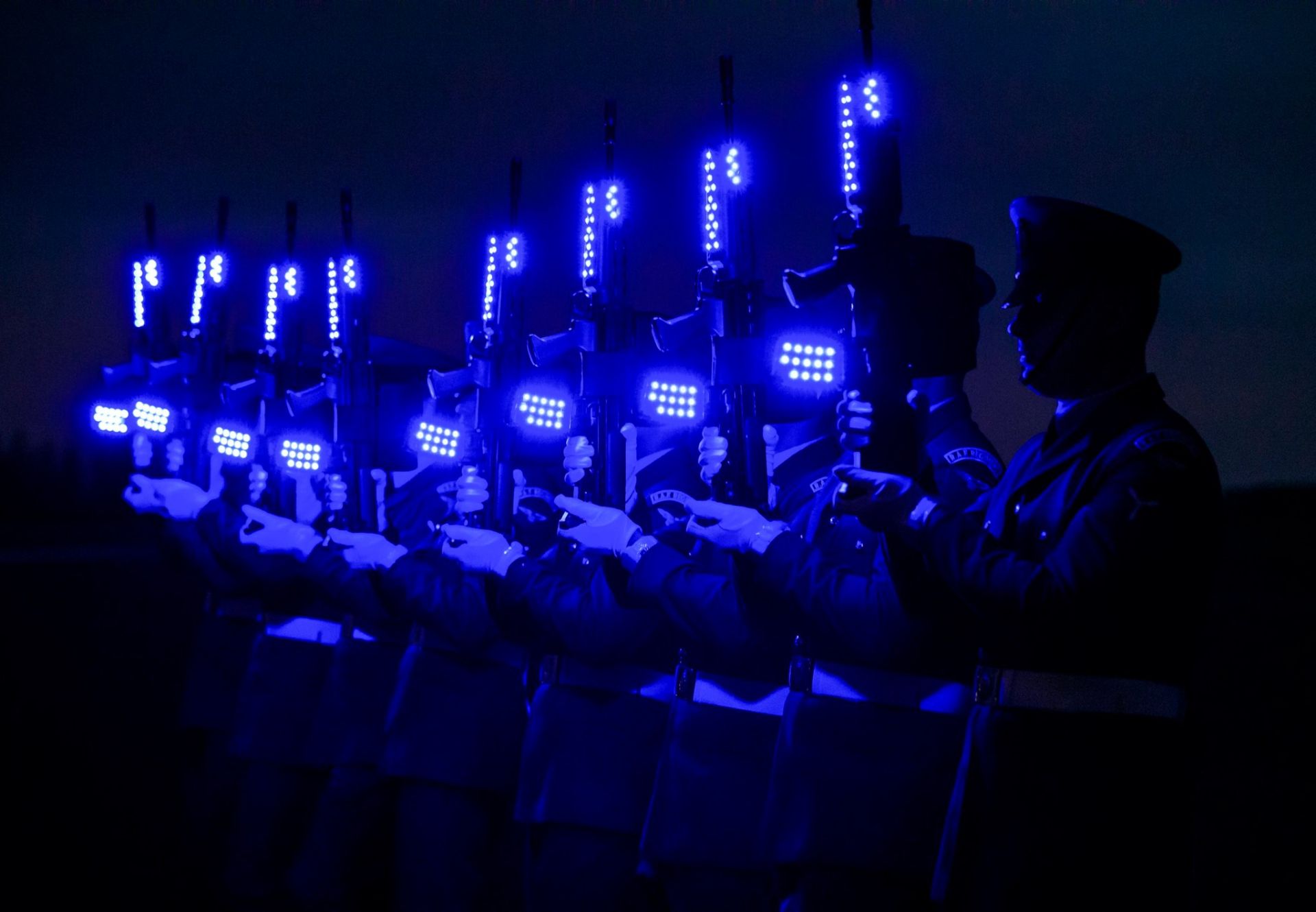
The evolution continues with products like LED Lanyards and custom pendants, as seen at the Formula One 75th-anniversary event, where different sections of the crowd could be illuminated based on team affiliation or hospitality level. This is immersive event technology at its most powerful—creating moments of mass unity while still allowing for segmentation and targeted messaging. It’s a long way from the simple applause meter.
The Future is Sentient: AI, Data, and Dynamic Response
Where do we go from here? The next frontier lies in making these immersive environments truly intelligent. Imagine LED experiences that don’t just follow pre-programmed cues, but react dynamically to the crowd’s energy. By integrating sensors that can measure sound levels, movement, and even biometric data, event technology could learn to distinguish between a polite ripple of applause and a euphoric roar, and respond in kind with a corresponding explosion of light and color.
The future of audience participation is one where the boundary between the performance and the spectator dissolves completely. It’s a future where technology acts as an invisible nervous system, connecting every single person in the venue into a single, sentient organism. From the primal clap of hands to the synchronized flash of 100,000 LED wristbands, the goal has remained the same: to forge a moment of genuine, unforgettable connection. As we continue to innovate, we’re not just building better gadgets; we’re engineering more profound human experiences.