The Moving Canvas: A New Framework for Tour Lighting Design
The Challenge of Scale
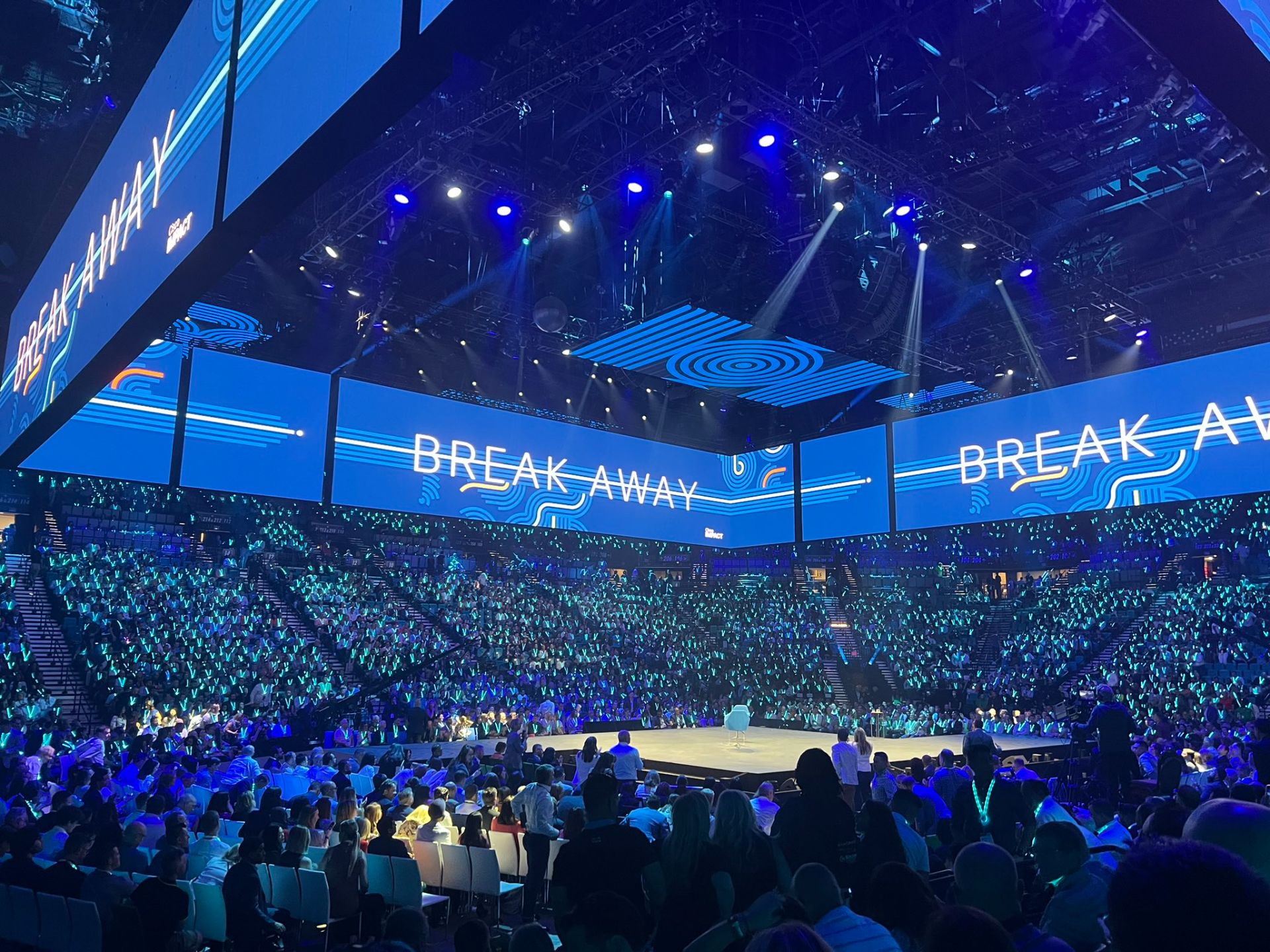
Designing a lighting experience for a stadium or arena tour is not merely about scaling up what works in a theatre or club. It’s a fundamentally different discipline. The sheer scale of the environment—the vast distances, the diverse viewing angles, the ambient light pollution—requires a complete rethinking of how light, space, and audience interact. In this world, the crowd is not just a passive observer; it's a living, breathing entity that can become the most dynamic element of the show.
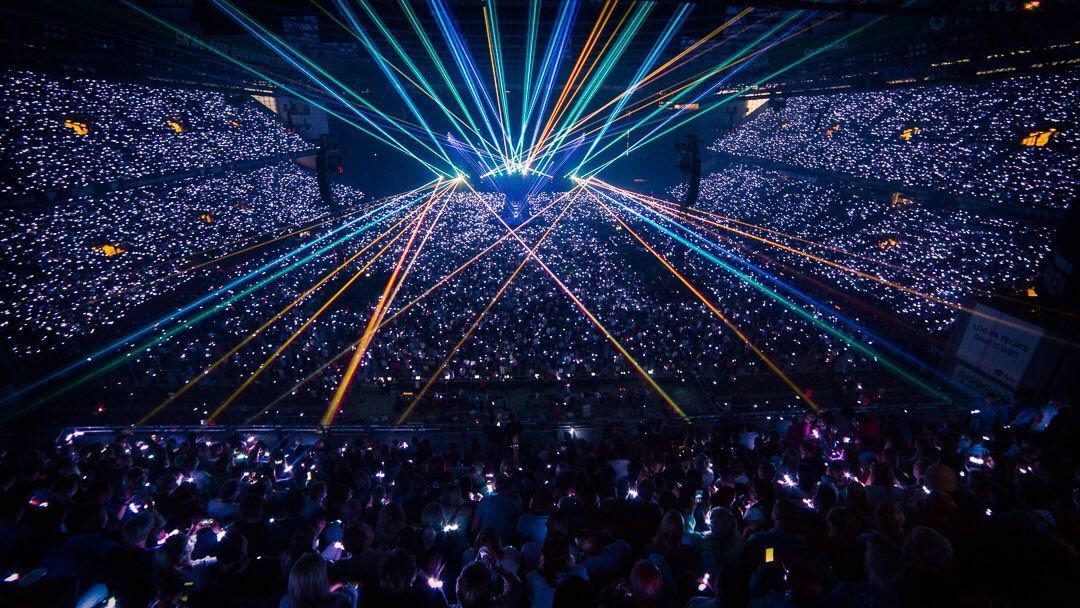
Traditional stage lighting, focused solely on the performers, loses its impact over the vast distances of a stadium. A single beam of light, however powerful, can feel isolated and small. To create a truly immersive spectacle, the design must break free from the proscenium arch and embrace the entire volume of the venue. The goal is to transform a 50,-000-seat arena from a collection of individuals into a unified, sentient sea of light and energy.
Painting with a Wider Brush: The Audience as Canvas
The paradigm shift in modern tour production is the recognition that the audience is the canvas. This is where the concept of wearable LED technology moves from a novelty to an essential design tool. By turning each audience member into a pixel in a larger picture, designers can create visual moments that are simply impossible with traditional lighting fixtures alone.
This approach was powerfully demonstrated during Maluma's "Medellín En El Mapa" concert, where a sold-out stadium was transformed into a pulsating ecosystem of light, with every fan becoming part of the homecoming spectacle.
This technique does more than just expand the visual field. It fundamentally alters the psychological relationship between the artist, the fan, and the venue. When an entire stadium erupts in synchronized color, triggered by a specific musical cue, it creates a profound sense of unity and shared experience. It’s a physical manifestation of the collective emotion of 50,000 people. This is the core of creating powerful LED crowd experiences.
The Three Layers of Arena Lighting Design
A successful arena lighting design operates on three distinct but interconnected layers, each serving a different purpose and engaging the audience in a unique way.
1. The Architectural Layer: Defining the Space
This is the foundational layer. It uses large-format fixtures—moving heads, strobes, washes, and lasers—to define the architecture of the space. This layer is about power and scale. It paints the broad strokes, highlighting the contours of the arena, creating geometric patterns, and establishing the overall color palette and mood for a segment of the show. It’s the framework upon which everything else is built, ensuring that even the fan in the furthest seat feels the grandeur of the production.
2. The Performative Layer: Focusing the Narrative
This is the most traditional layer, focused on illuminating the artists on stage. Here, the principles of theatrical lighting—key light, fill light, back light—are paramount. The goal is to ensure visibility, to model the performers in three dimensions, and to focus the audience's attention on the heart of the narrative. But in an arena context, this layer must also be camera-aware. With IMAG (Image Magnification) screens playing a crucial role, the lighting must be optimized for broadcast, ensuring the millions watching at home have the same high-quality experience as those in the front row.
3. The Immersive Layer: Activating the Audience
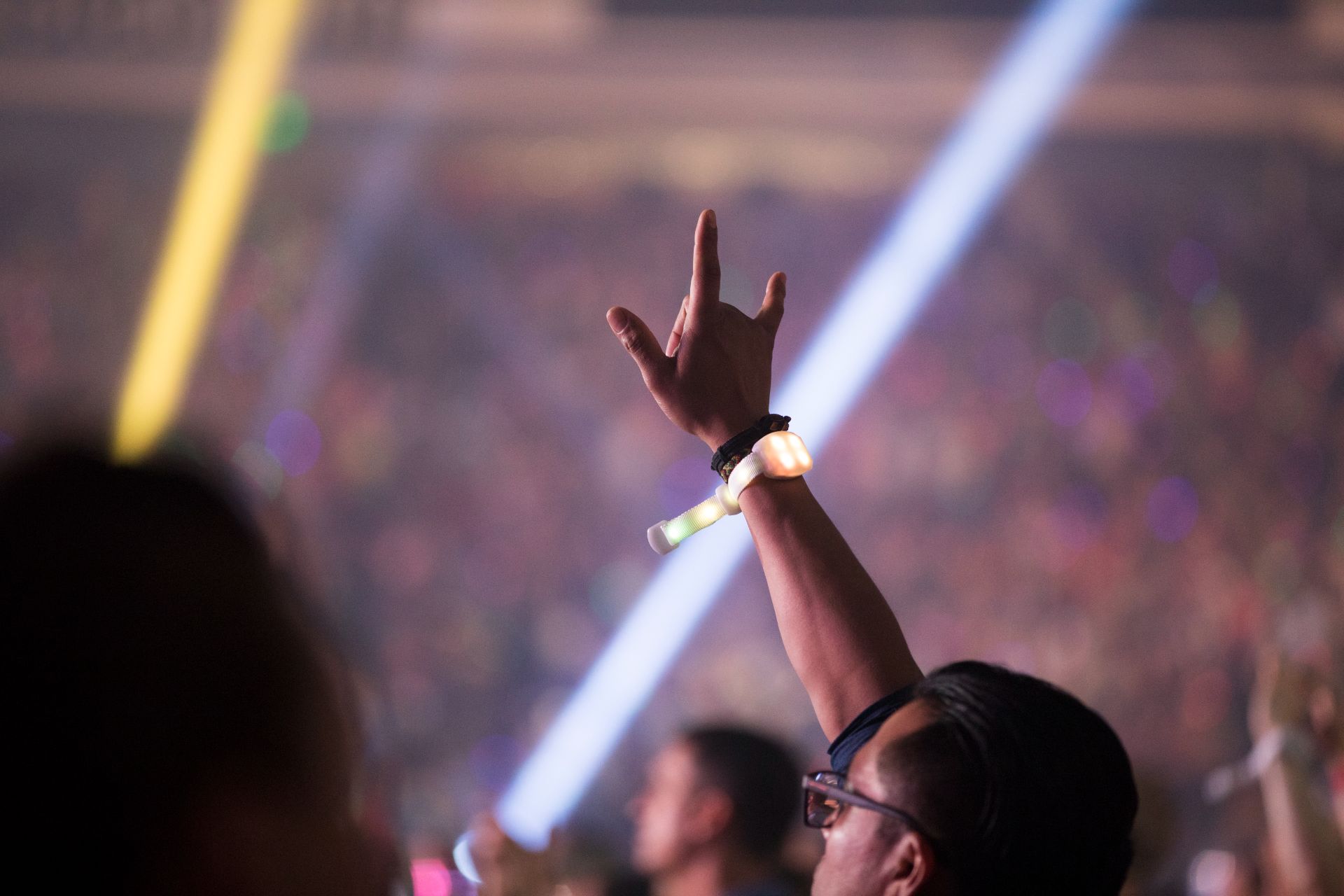
This is the layer where the magic truly happens, the layer that separates a good show from an unforgettable one. The immersive layer uses technology to bridge the gap between the stage and the seats. It’s here that tools like Xylobands, or radio controlled LED wristbands, come into play. This layer is not about passive illumination; it's about active participation.
Consider the difference:
- An architectural lighting state can wash the crowd in blue.
- An immersive lighting state can make 50,000 individual points of blue light pulse in time with the kick drum, controlled with precision down to a fraction of a second.
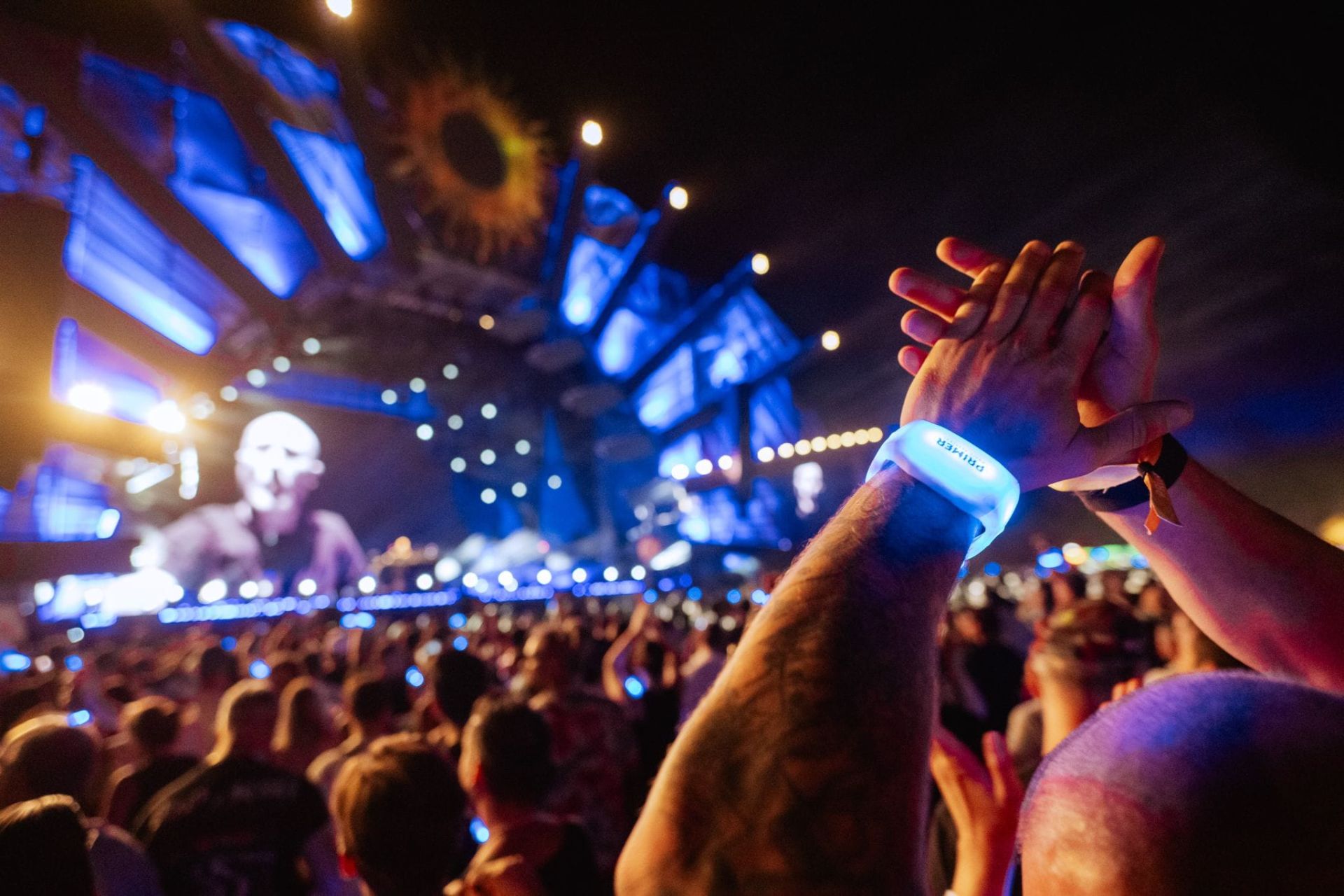
This level of granularity allows for a sophisticated choreography of light that can ripple across a stadium, spell out words, or create complex patterns that would be impossible with any other method. From festival wristbands lighting up a field at events like Primer Music Festival to custom LED Lanyards at a major sporting celebration like the Formula One 75th anniversary, the principle is the same: turning spectators into participants. It’s the ultimate expression of immersive event technology.
Synchronization and Storytelling
The ultimate goal is to seamlessly integrate these three layers into a single, cohesive narrative. The technology—from the lighting console to the RF transmitters controlling tens of thousands of LED bands—is complex, but the artistic intent must be simple and clear. Every lighting state, every color change, every immersive effect must serve the story of the song and the arc of the show.
The most powerful moments in arena production occur when these layers work in perfect harmony. Imagine a quiet ballad where the architectural layer is dark, the performative layer is a single spotlight on the artist, and the immersive layer creates a gentle, twinkling field of warm white light across the audience, like a galaxy of stars. Then, as the song builds to its crescendo, the architectural lights explode, the stage is flooded with energy, and the audience-worn Concert Wristbands detonate in a synchronized flash of brilliant color. That is the art of modern tour lighting design: a choreography of light, technology, and human emotion on the grandest possible scale.