The Fourth Wall is Gone: How Festival Crowds Became the Show
From Spectator to Participant: The Disappearing Fourth Wall
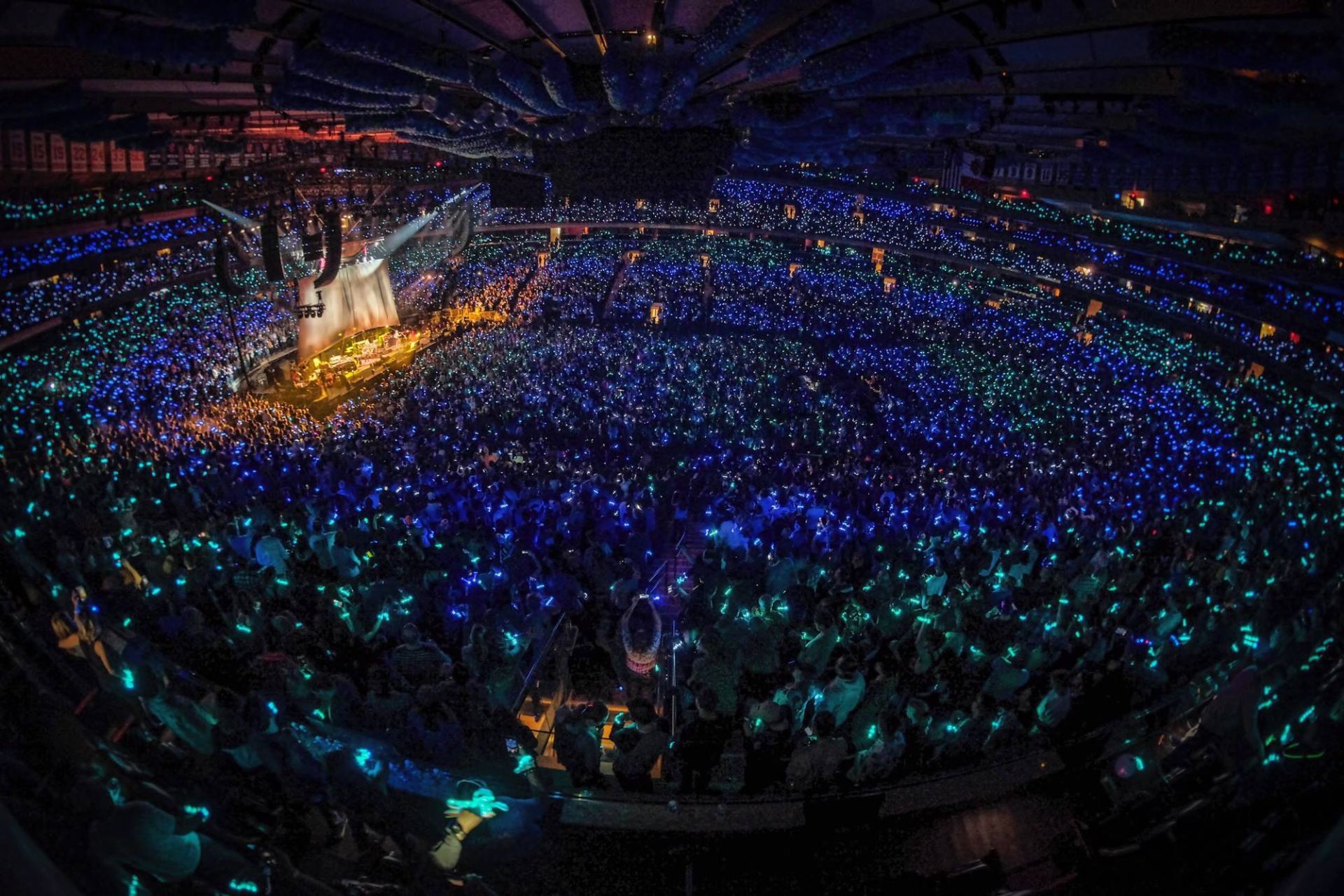
For decades, the festival experience was largely a one-way transmission: artists performed, and the crowd absorbed. The most a crowd could do to participate was sing along, wave a lighter, or offer applause. The imaginary “fourth wall” between the stage and the audience was firmly in place. But a quiet revolution has been reshaping the landscape of live events, dismantling that wall brick by brick. Today, the audience is no longer just watching the show; they are the show.
This shift from passive observation to active co-creation marks the most significant evolution in festival production in a generation. It’s a move away from a purely audio-visual experience towards something far more visceral and collective. Modern festival-goers don’t just want to see a performance; they want to feel part of it, to be immersed in a shared experience that is both personal and communal. This demand has spurred a wave of innovation, with producers and artists seeking new ways to engage crowds on an unprecedented scale.
The Rise of Immersive Event Technology
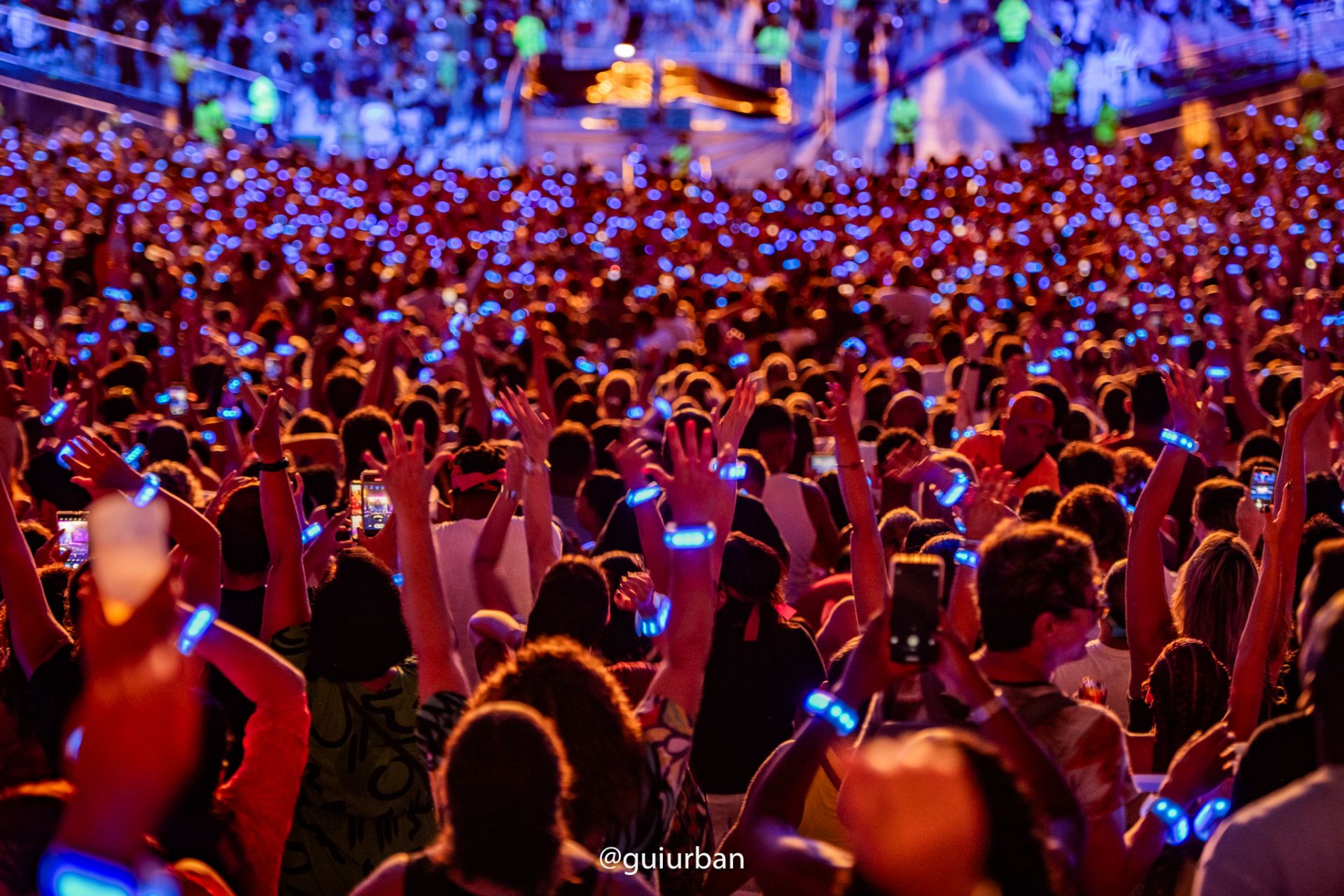
The journey from lighters in the air to synchronized light shows is a story of technological advancement. While mobile phones provided a brief, chaotic interlude, the real breakthrough came with the advent of wearable LED technology. This was the catalyst that transformed the crowd from a collection of individuals into a single, cohesive canvas of light.
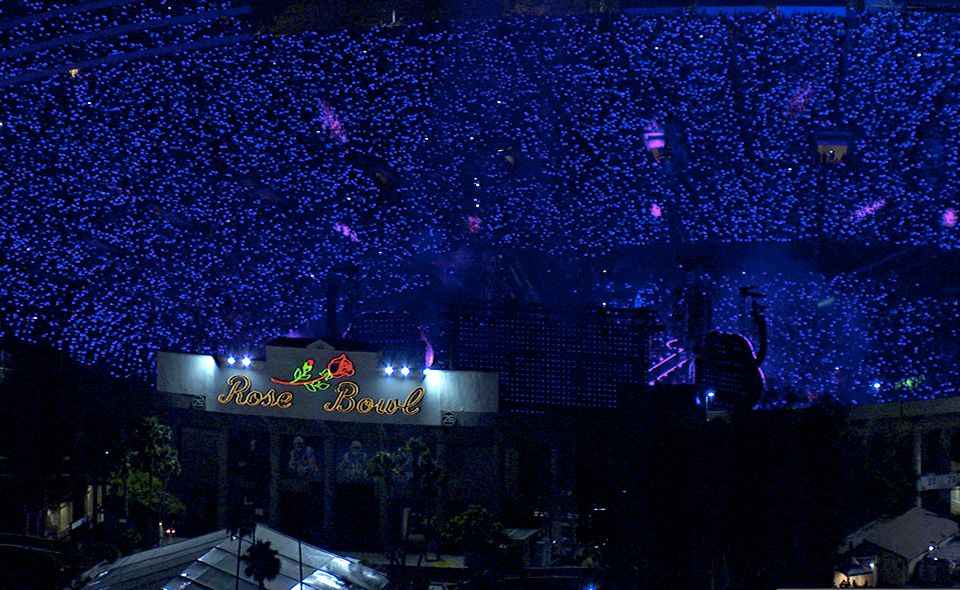
When Xylobands first illuminated a stadium on Coldplay’s Mylo Xyloto tour, the potential was immediately clear. Here was a tool that could choreograph an entire audience, painting with light across tens of thousands of people. The effect was more than just visual; it was psychological. For the first time, every single person in the audience was visibly and undeniably part of the spectacle. This created a profound sense of unity and belonging, amplifying the emotional impact of the performance.
This technology has since become a staple for creating powerful LED crowd experiences at major events worldwide. At gatherings like Greece’s PRIMER Music Festival, festival wristbands are no longer just for entry; they are integral to the artistic expression, pulsing in time with the beats of international DJs and turning the entire crowd into a living, breathing light installation.
The New Production Blueprint: Crowd as Creative Partner
This evolution requires a fundamental shift in the mindset of event producers and creatives. The crowd is no longer a passive element to be managed, but a dynamic and responsive medium to be incorporated into the creative vision. The most forward-thinking productions now treat the audience as a creative partner.
"The line between the artist and the audience is blurring. We’re moving into an era where the shared experience is the main product, and the technology is simply the tool that makes it possible."
This approach opens up a new world of creative possibilities:
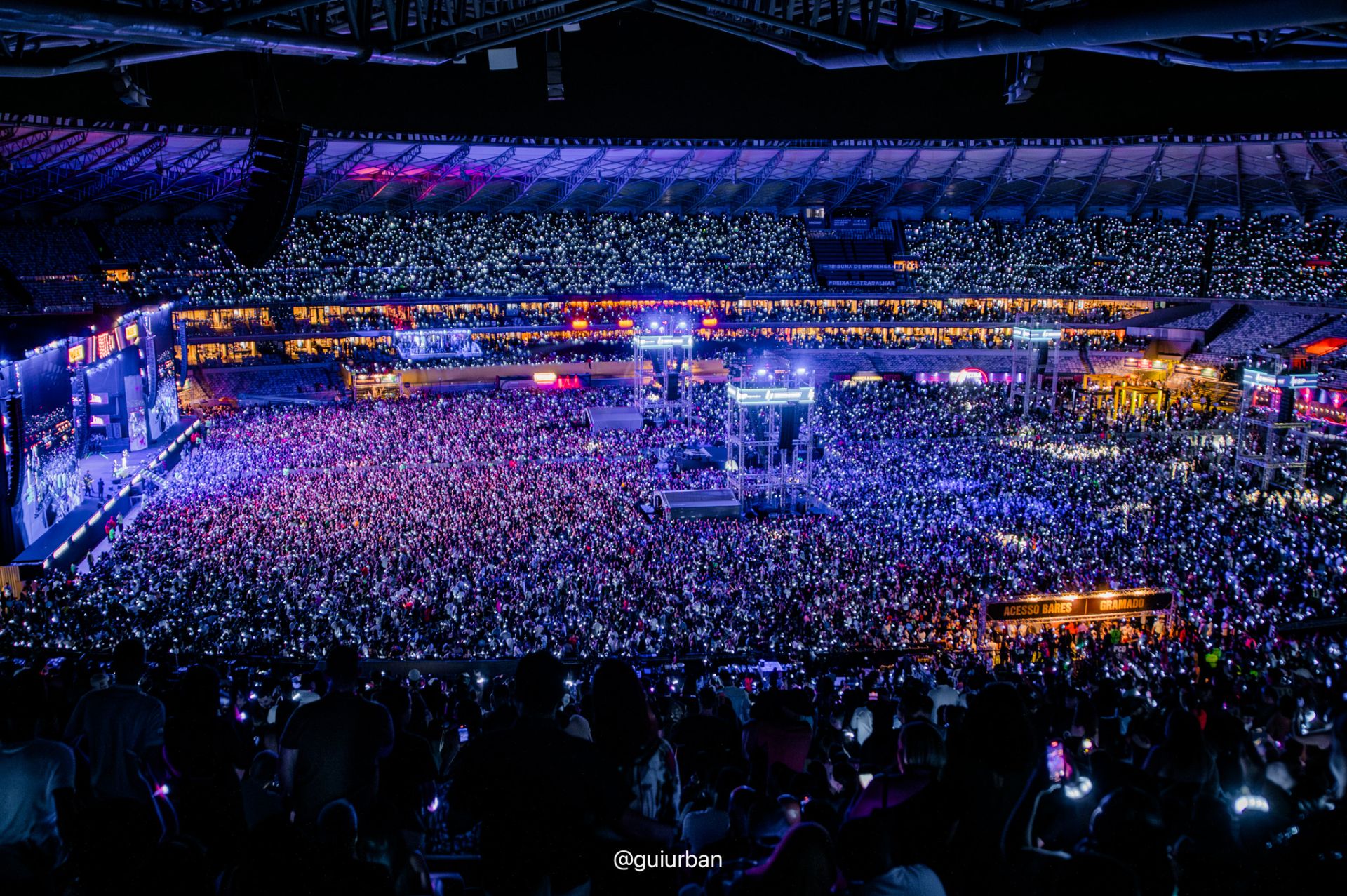
- Dynamic Set-Pieces: Imagine a headliner dropping the beat, and 50,000 LED bracelets erupting in a wave of color that ripples from the stage to the back of the field. This isn’t just lighting; it’s crowd choreography on a massive scale.
- Gamified Interactions: Producers can divide the audience into sections, using different colors or patterns on custom LED wristbands to create team-based rivalries or collaborative visual puzzles, adding a layer of play to the experience.
- Sponsor Integration: Brands can be integrated in a more organic and impactful way. During a sponsored segment, the wristbands can flash in the brand’s colors, creating a powerful and memorable moment of corporate event activation that feels less like an ad and more like part of the show.
This was powerfully demonstrated at the Formula 1 75th Anniversary event in London. Fans were given custom LED Lanyards (Xylo Pendants) that lit up in their favorite team’s colors, creating a tribal, competitive, and yet unified atmosphere that celebrated the sport’s history and future. It transformed a corporate anniversary into one of the most memorable immersive events of the year.
Beyond the Lights: The Data-Driven Future
The next frontier in crowd participation lies in the data generated by this immersive event technology. As wearable devices become more sophisticated, they offer a rich source of real-time feedback on crowd energy, movement, and engagement. This isn’t about surveillance; it’s about understanding the collective emotional state of the audience and responding to it.
Producers can see which moments generate the biggest energetic response, which songs create the most unity, and even how crowd flow is distributed across a festival site. This data is invaluable for everything from improving the fan experience and show pacing to enhancing safety and security. By turning the audience into a network of sensors, we can create more responsive, engaging, and secure environments.
The Human Connection in a Tech-Driven World
For all the talk of technology, the ultimate goal of this evolution is deeply human. The enduring appeal of festivals lies in the sense of connection they foster—connection to the music, to the artists, and most importantly, to each other. Whether it’s a stadium of 54,000 for a Maluma concert in Medellín or three sold-out nights with Wizkid at The O2, the desire to share a moment is universal.
Technologies like radio controlled LED wristbands are not an end in themselves. They are tools that, when used thoughtfully, can strip away the barriers that separate us and amplify the very thing we came for: a shared experience. They are the modern lighters, the digital campfires around which we gather. The fourth wall has fallen, and in its place, we are building a stage big enough for everyone.