The Gravity of Command: A Leadership Blueprint for High-Stakes Live Production
The Architecture of Spectacle
Behind every breathtaking stadium tour, every globally broadcast brand launch, and every festival that becomes a cultural moment, there is a leader. Not just a manager delegating tasks, but a conductor standing at the intersection of art, commerce, and technology. In the high-stakes world of live production, leadership is the invisible architecture that supports the spectacle. It’s a force of gravity, pulling hundreds of disparate elements—from the artist’s most nuanced creative impulse to the intricate choreography of freight and radio frequencies—into a single, coherent, and unforgettable experience.
The modern live event is a symphony of specialists. Lighting designers paint with photons, audio engineers sculpt soundscapes, and logistics teams move mountains of gear across continents. The artist or brand provides the soul, the audience provides the energy, and technology provides the medium. But without a central command, this symphony risks becoming a cacophony. The true work of a production leader is to unify these moving parts, not through rigid control, but through a shared understanding of a singular, powerful vision.
Principle 1: Champion a Unified Vision
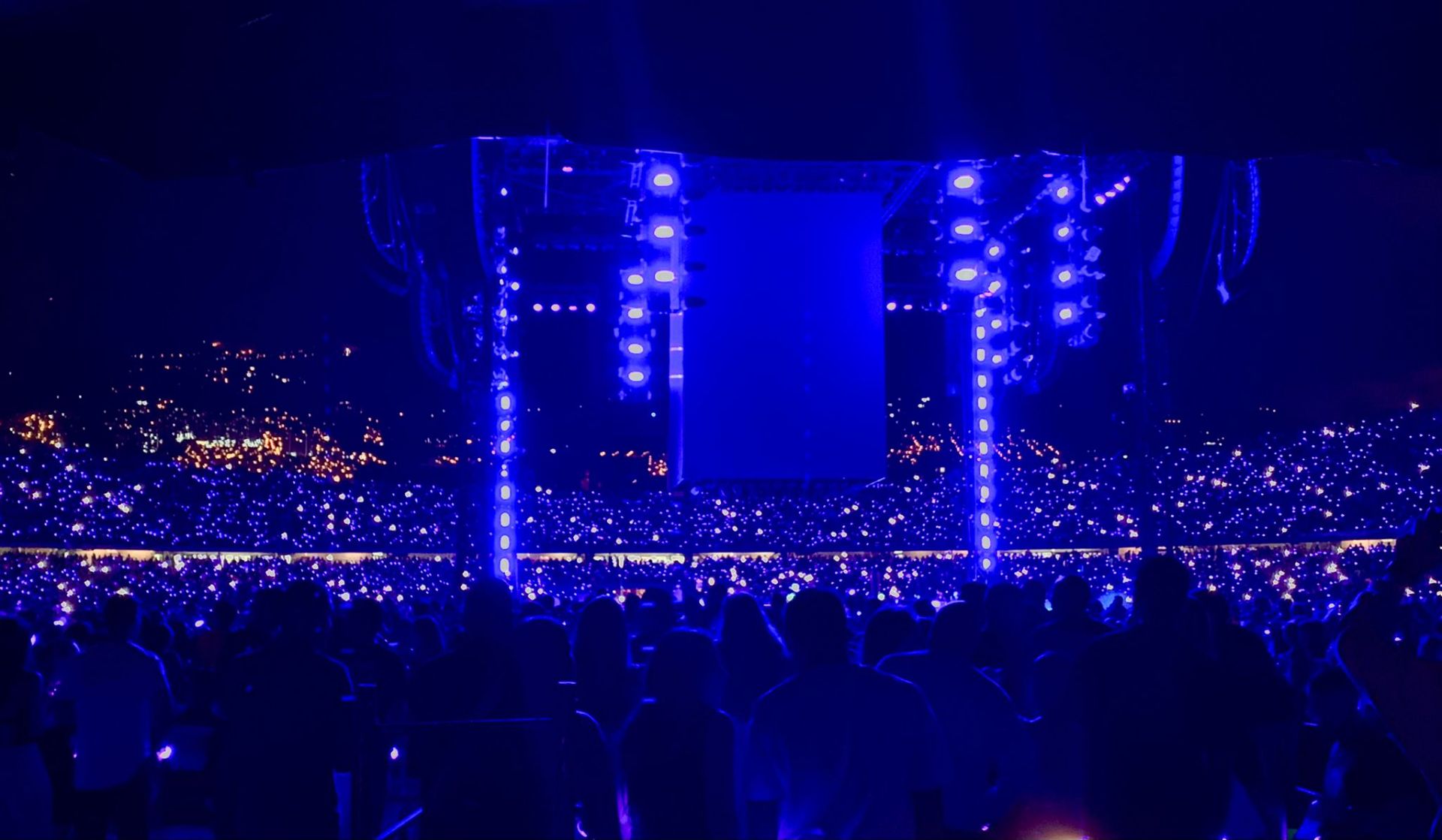
Every decision made on a production, from the choice of a specific gel color to the mapping of Custom LED Wristbands across a stadium, must serve a central creative purpose. A leader’s most critical function is to articulate and relentlessly champion this purpose. When every member of a vast and varied team—from the tour rigger to the broadcast director—understands the *why* behind their work, they become more than just contractors; they become co-authors of the experience.
This isn’t about dictating every detail. It’s about providing a clear and compelling creative framework. It’s the difference between telling a team to “set up the lights” and explaining that “we need to create a sense of intimacy in a 50,000-seat arena.” That clarity empowers specialists to bring their best ideas to the table, innovating within the established vision to create powerful LED Crowd Experiences that resonate on an emotional level.
Principle 2: Speak the Languages of Production
A production leader is a master translator. They must be fluent in the language of the artist—of emotion, narrative, and aesthetics. They must also speak the language of the technician—of DMX channels, RF signal integrity, and Wearable LED Technology. And increasingly, they must understand the language of the brand or corporate partner—of ROI, audience engagement, and market impact, a crucial component of successful Corporate Event Activations.
This linguistic dexterity is what prevents the formation of silos that can jeopardize a production. When the creative team’s request seems technically impossible, the leader can bridge the gap, reframing the creative goal in a way the technical team can solve. When a brand partner questions the value of a specific technological investment, the leader can articulate its role in forging a deeper, more memorable connection with the audience. This fluency builds trust and transforms potential friction into creative momentum.
Principle 3: The Courage to Trust Your Specialists
You cannot micromanage a spectacle into existence. The scale and complexity of modern Immersive Events demand a leadership model built on trust, not top-down control. A great leader excels at assembling a team of world-class experts and then has the confidence to empower them. This means providing them with the vision and the resources, and then stepping back to let them execute.
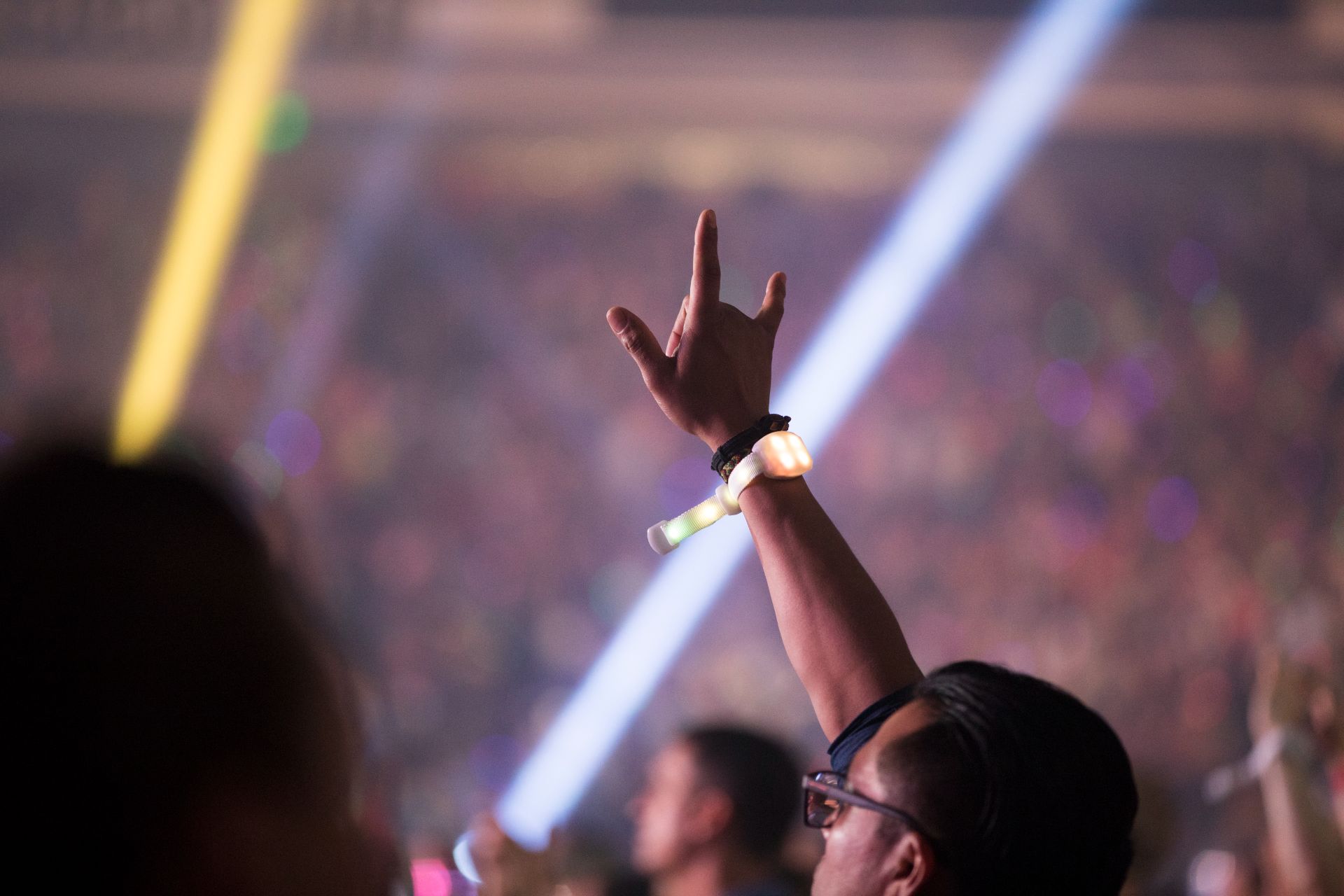
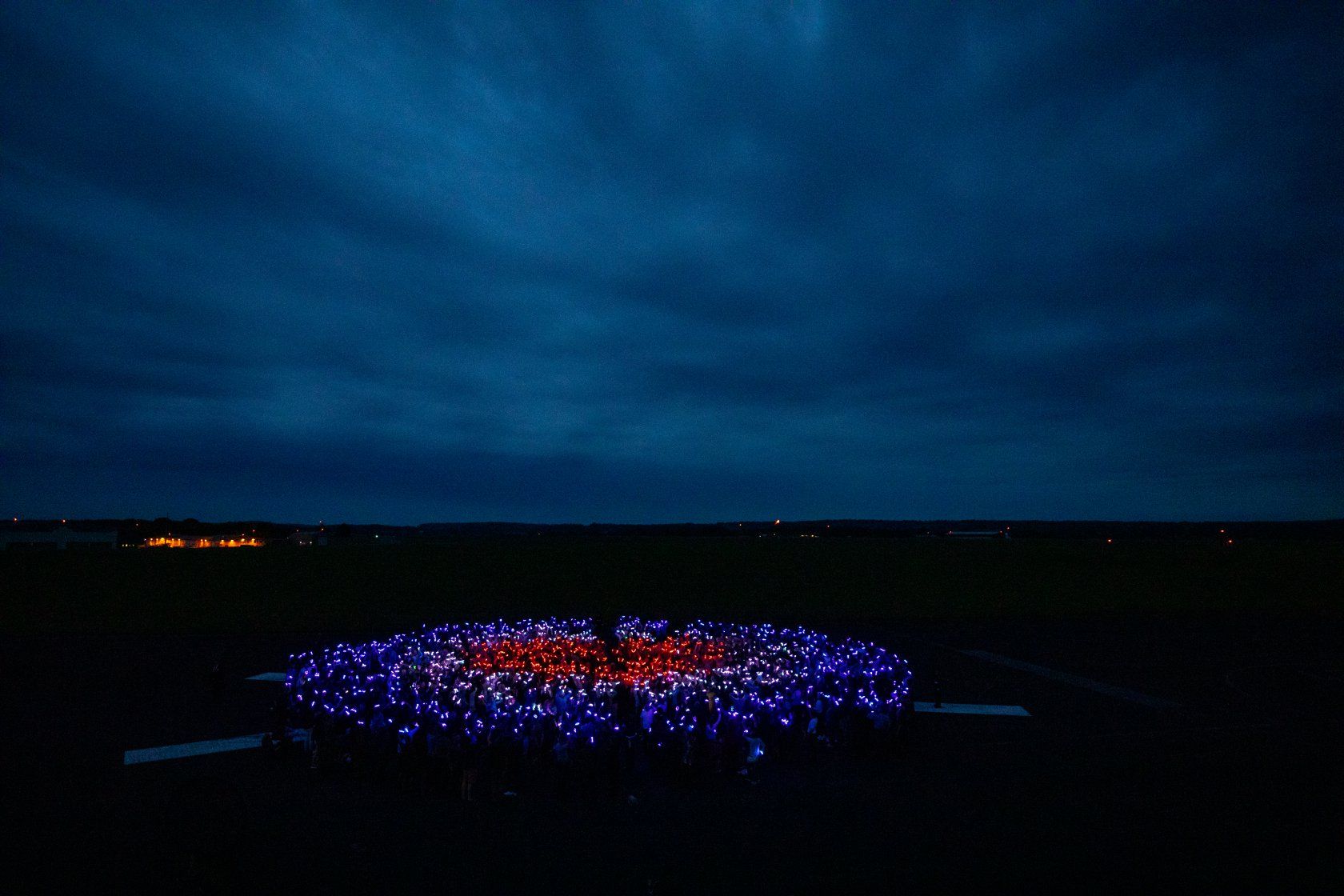
This principle is fundamental when integrating specialized technology like Xylobands. The most effective collaborations happen when a partner is treated as an extension of the creative team. By entrusting a team of specialists with the goal—whether it’s to choreograph a city-wide celebration or to make a stadium of 50,000 feel like a single, unified entity—you unlock a level of innovation and dedication that no checklist can ever achieve. Trust is the currency of scale.
Principle 4: Maintain Calm at the Center of the Storm
Live production is a masterclass in controlled chaos. No amount of planning can eliminate every potential point of failure. A shipment gets delayed; a crucial piece of gear malfunctions; the weather turns. The mark of a true leader is not their ability to prevent problems, but their response when they inevitably arise. Panic is contagious, and it ripples through a crew with destructive speed.
The leader is the production’s emotional center of gravity. By remaining calm, analytical, and decisive under pressure, they create a bubble of stability that allows the entire team to focus on solutions, not on blame. This composure inspires confidence, fosters a resilient and adaptable crew culture, and ensures that no matter what happens behind the scenes, the audience experiences a seamless and powerful show.
The Keystone of the Spectacle
Ultimately, leadership in live production is a balancing act. It’s the art of holding the grand vision in one hand and the granular details in the other. It’s knowing when to zoom in on a technical problem and when to zoom out to protect the creative narrative. In the grand arch of production, the leader is the keystone—the central stone that bears the weight and locks all other pieces into place, allowing the structure to stand strong.
It is this unseen force of leadership that transforms a collection of lights, sounds, and logistical feats into something more: a shared human moment. It’s how a simple piece of LED Event Technology, like a wristband, becomes a tool for connection, and how an empty arena becomes a canvas for a collective, unforgettable memory. In the end, the conductor’s work isn’t just about managing the show; it’s about giving it gravity.