The Open Invitation: Designing More Inclusive Live Experiences
The Open Invitation: Designing More Inclusive Live Experiences
For decades, the gold standard of a successful live event was a kind of sensory overload—the loudest pyrotechnics, the most blinding strobes, the most floor-shaking bass. The goal was to overwhelm, to create an experience so total that it consumed every faculty. But what if the most powerful and memorable events aren’t the loudest or the brightest? What if they are the most inclusive?
The conversation around accessibility in live entertainment is undergoing a profound and necessary evolution. Moving beyond the foundational requirements of physical access, the industry’s most forward-thinking creators are now asking a more nuanced question: How do we design events that are not just accessible, but truly welcoming to everyone, regardless of their sensory or cognitive needs?
This isn’t about dilution or compromise. It’s about enrichment. It’s a design philosophy that recognizes that by considering the full spectrum of human experience, we can create more profound and universally resonant moments for every single person in the crowd.
From Compliance to Co-Creation
Historically, accessibility was a checklist, a matter of regulatory compliance. Ramps, designated seating, and basic services were the primary focus. These are, and will always be, critically important. But true inclusivity demands that we see the audience not as a monolith but as a complex tapestry of individuals, each with a unique way of processing the world.
For some, the sensory onslaught of a typical arena show can be a barrier. For individuals with autism, PTSD, or sensory processing disorders, intense, unpredictable strobing and abrupt, loud noises can be deeply distressing. For others, including those with visual or hearing impairments, key parts of the spectacle may be entirely lost. The challenge—and the opportunity—is to build layers of experience, creating a more adaptable and personalized sensory environment.
This is where immersive event technology, like the LED crowd experiences pioneered by Xylobands, opens up new frontiers. Controlled light isn’t just about making a grand visual statement; it’s a powerful tool for communication and environmental design. It can be a gentle guide, a shared rhythm, a visual translation of music that transcends hearing.
Light as a Universal Language
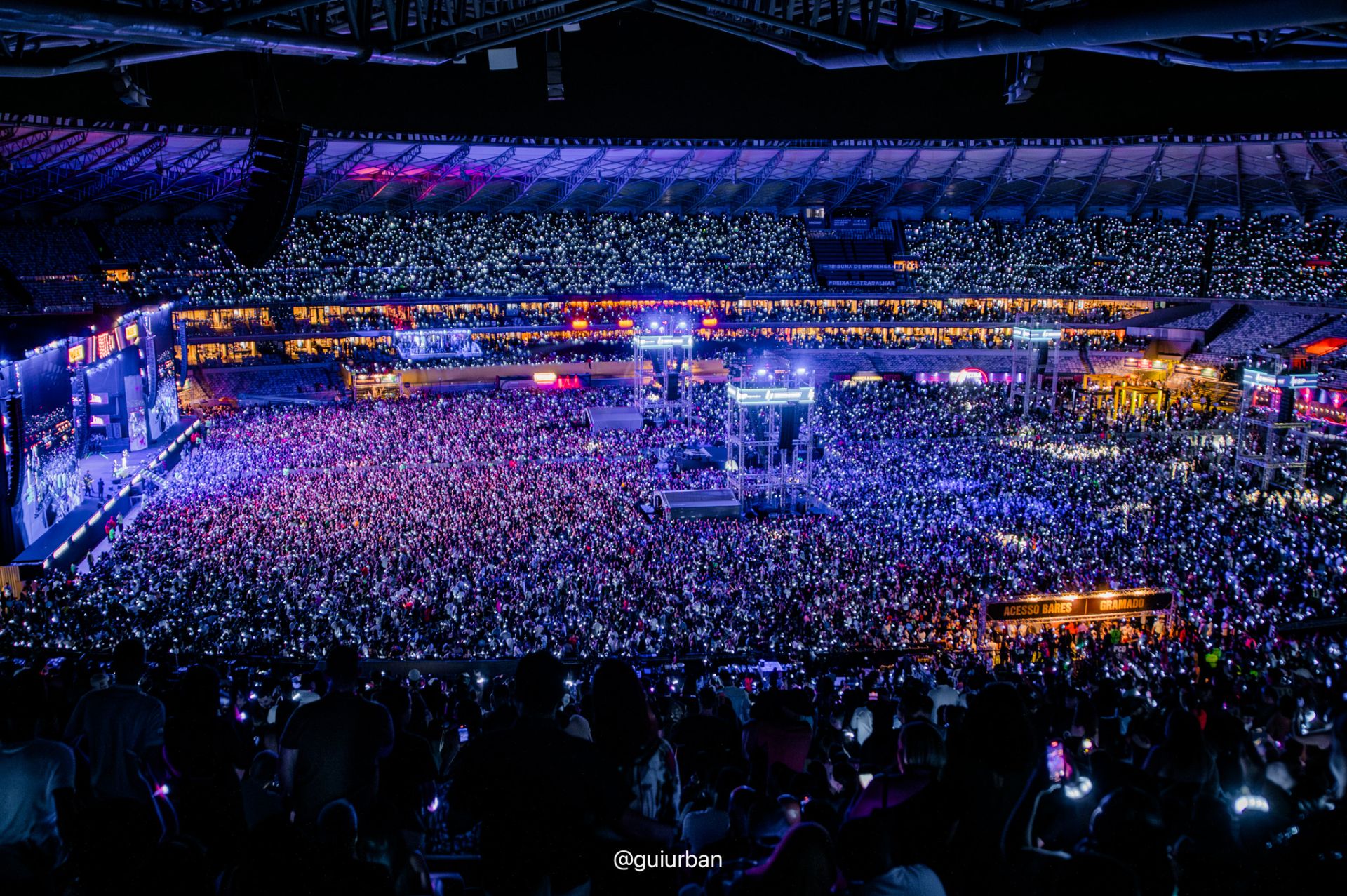
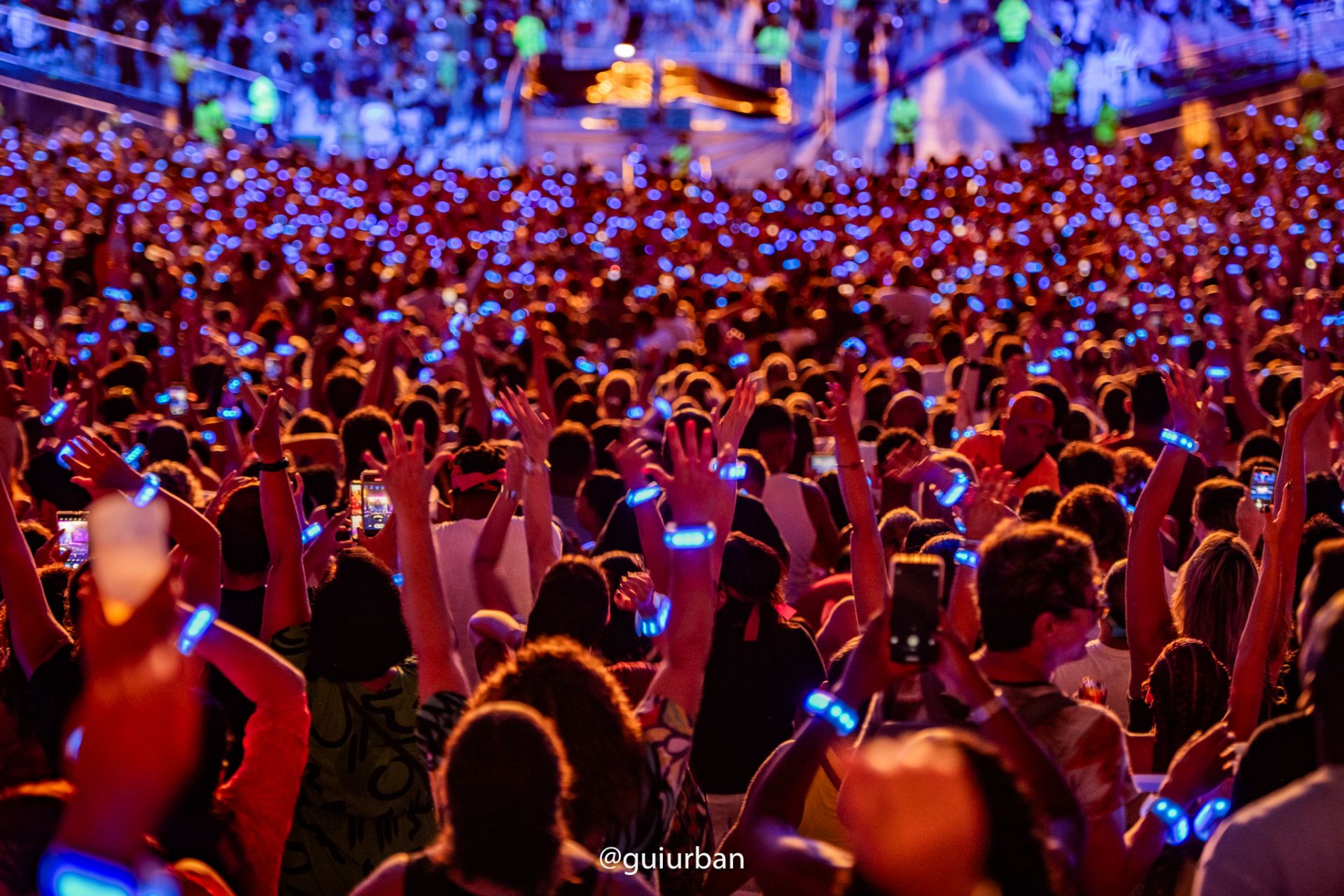
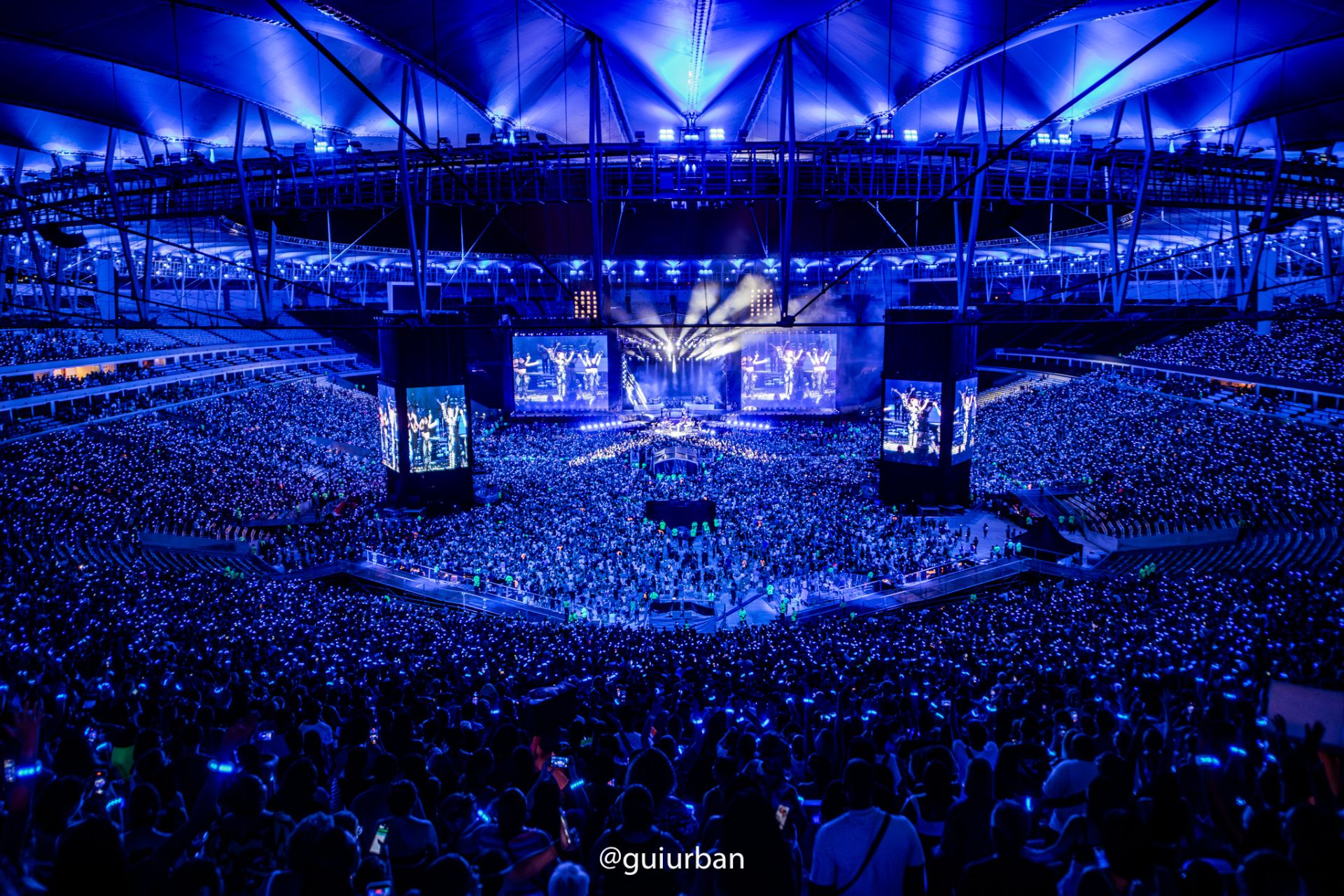
Imagine a music festival where the visual design serves multiple purposes. For the majority of the audience, the synchronized glow of thousands of festival wristbands is a stunning visual spectacle. But for an attendee who is deaf or hard of hearing, that same pulse of light becomes a physical manifestation of the music’s beat—the rhythm felt on the skin, seen across the field. The crescendo of a song is no longer just heard; it’s witnessed as a wave of color washing over the crowd.
This is inclusivity in action. It’s not a separate, “special” feature but an integrated layer of the show’s core design. When we developed our first radio controlled LED wristbands with Coldplay, the initial goal was one of unity and spectacle. But over more than 10,000 events, we’ve seen the technology become a bridge. It’s a non-verbal language that can build connection and enhance the story for everyone.
Similarly, for attendees who find sudden, intense strobes overwhelming, a more nuanced light show can create a more comfortable environment without sacrificing visual impact. Imagine pre-show sequences designed to be calmer, using gentle fades and flowing colors to ease the audience into the space. During the main performance, light can be used to telegraph major moments, using established color cues to signal shifts in intensity, giving sensitive attendees a chance to prepare rather than being startled.
Beyond the Wristband: A Multi-Sensory Ecosystem
The philosophy extends beyond wearable technology. It’s about creating a holistic, inclusive ecosystem. This can include:
- Sensory-Reduced Zones: Designated quiet spaces where attendees can decompress, away from the primary intensity of the show.
- Haptic Feedback Systems: Wearable tech that translates sound into vibration, offering another layer of sensory input for experiencing the music.
- Enhanced Visual Communication: Using large-scale LED screens not just for artist close-ups, but for clear, high-contrast textual information and creative sign language interpretation.
- Personalized Control: The future of immersive events may even involve degrees of personalization, where attendees can opt into different levels of sensory experience via an app, adjusting the intensity of their own wearable devices.
These innovations aren’t science fiction. They are the logical next step for an industry built on creating connection. From corporate event activations to global music tours, the goal remains the same: to make a large group of individuals feel like part of a single, unified moment. True inclusion is the ultimate expression of that goal.
The Empathetic Signal
Designing for inclusivity is not about dampening the spectacle. It is about making the spectacle smarter, more empathetic, and more universally accessible. It’s a creative challenge that forces us to be better storytellers and more considerate hosts.
When an entire stadium pulses with a shared color, it doesn't matter if you see it, feel it, or hear the gasp of the crowd around you. You are a part of it. The light is your invitation. By embracing the full spectrum of human perception, we don’t just open the doors wider; we create a richer, more profound experience for every single person who walks through them. We move from simply staging a show to curating a shared human experience, one that is truly open to all.