The Conductor and The Crew: A Leadership Playbook for Modern Production
The Unseen Structure of Spectacle
In the world of major tours, festival stages, and high-profile corporate event activations, the audience sees the spectacle: the lights, the sound, the seamless flow of an experience designed to captivate. What they don’t see is the intricate human architecture beneath it all—the complex, high-pressure collaboration between creative visionaries, technical experts, and logistical masters. At the heart of this architecture is leadership. Not the command-and-control of old, but a modern, adaptive model built on trust, clear communication, and a shared commitment to a single, ambitious vision.
Leading a production or creative agency is like conducting a symphony of specialists. Each member of the crew, from the lighting director to the RF engineer, is a master of their instrument. The role of a leader is not to play every instrument, but to unify their outputs into a cohesive, powerful whole. This requires a unique blend of technical credibility, creative empathy, and unwavering resolve.
Principle 1: Establish a Clear and Compelling Vision
Every great production begins with a powerful “what if.” What if the audience could become part of the light show? What if a corporate product launch felt less like a presentation and more like a blockbuster film premiere? This initial vision is the North Star for the entire project. For leaders, the first task is to articulate this vision in a way that is both inspiring and actionable.
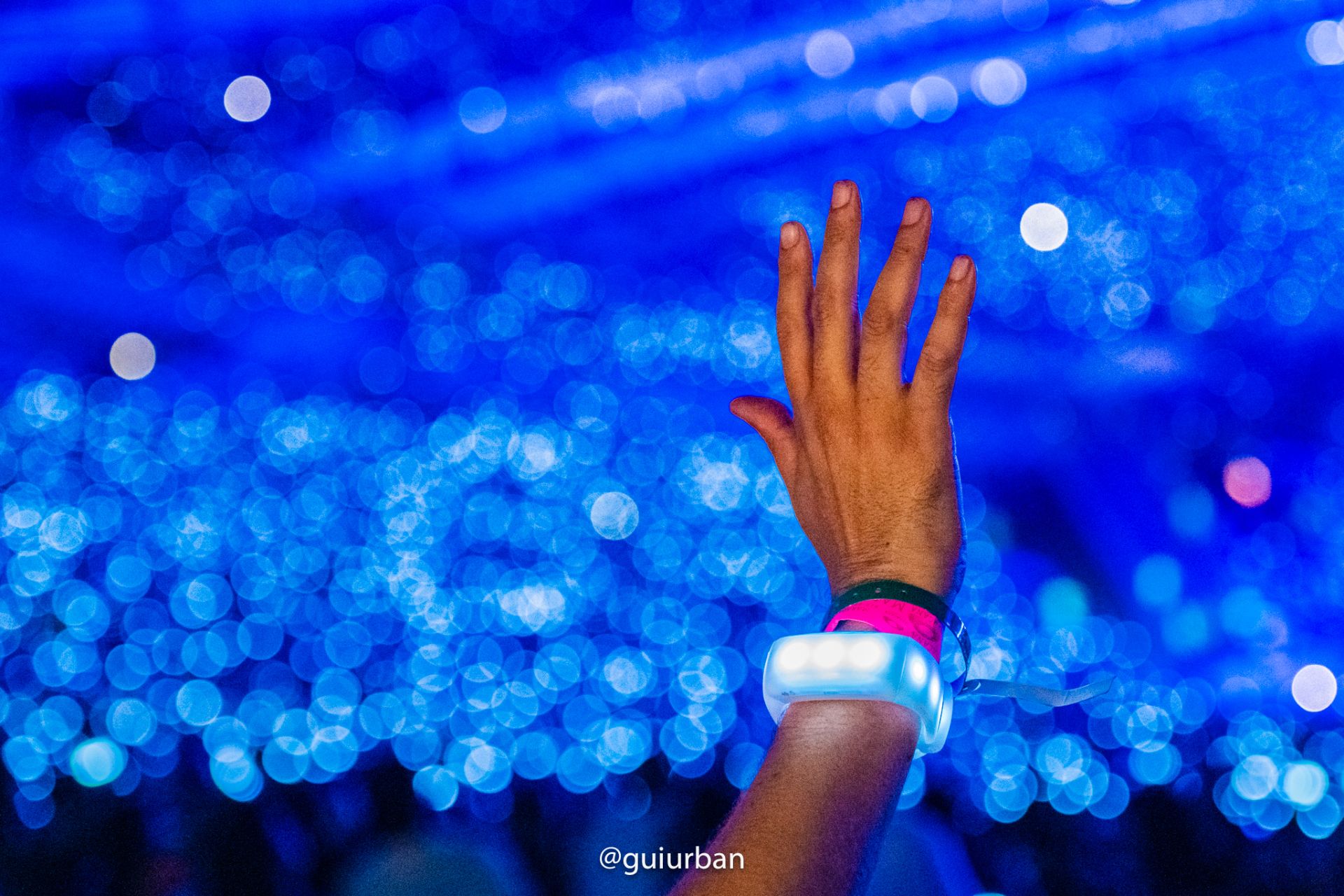
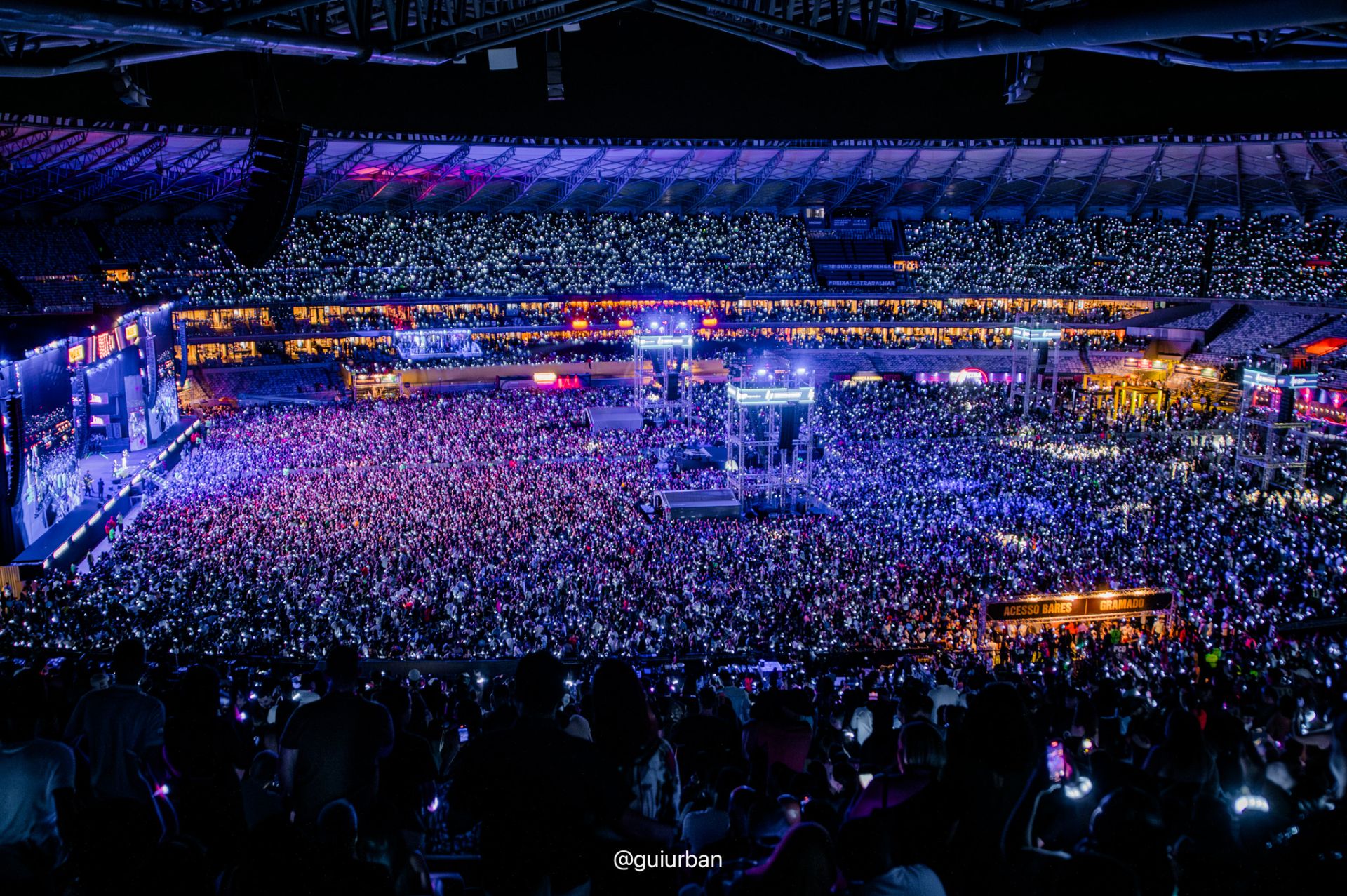
It’s the difference between saying, “We need to light up the stadium,” and, “We’re going to turn a crowd of 50,000 people into a single, breathing canvas of light.” The first is an instruction; the second is a mission. It’s a principle we saw in action when Xylobands first lit up Coldplay’s Mylo Xyloto tour, transforming a simple idea into a global phenomenon. That vision—of the audience as a critical part of the show—guides every technical and creative decision that follows.
This principle applies across the board, from music festivals like Greece’s PRIMER, where the goal is to create a unified field of energy, to meticulously branded events like the Formula One 75th-anniversary showcase, where every flash of light must align with the prestige of a global brand.
Principle 2: Build a Culture of Trust and Technical Respect
In live production, failure is not an option. When an artist like Maluma plays to 54,000 fans in his hometown, with millions more streaming worldwide, every cue must be perfect. This level of execution is only possible when there is absolute trust between every member of the team. Leaders foster this trust by empowering their specialists and respecting their expertise.
A production lead doesn’t need to know how to program a DMX universe from scratch, but they must understand its capabilities and limitations. They need to trust their lighting designer to execute the vision and give them the creative freedom to do so.
This trust is forged in the trenches—during long load-in days, complex rehearsals, and high-pressure show environments. It’s about creating a culture where a crew member feels empowered to flag a potential issue, knowing their concern will be heard and respected, not dismissed. It’s about understanding that the person running the radio-controlled LED wristbands has a unique perspective on crowd dynamics, and their input is invaluable. True leadership in this field is about assembling a team of experts and then having the confidence to trust them to excel.
Principle 3: Master the Art of Decisive, Adaptive Communication
A live show is a fluid, dynamic entity. Timings shift, equipment can falter, and unexpected opportunities arise. Leaders must be the calm center in this storm, capable of making critical decisions under immense pressure and communicating them with clarity and confidence.
The communication chain must be flawless. Whether using comms systems on a global tour or managing production for a live broadcast with partners like ITV, information must flow from the show caller to the crew with zero ambiguity. This is where meticulous planning meets real-time adaptability.
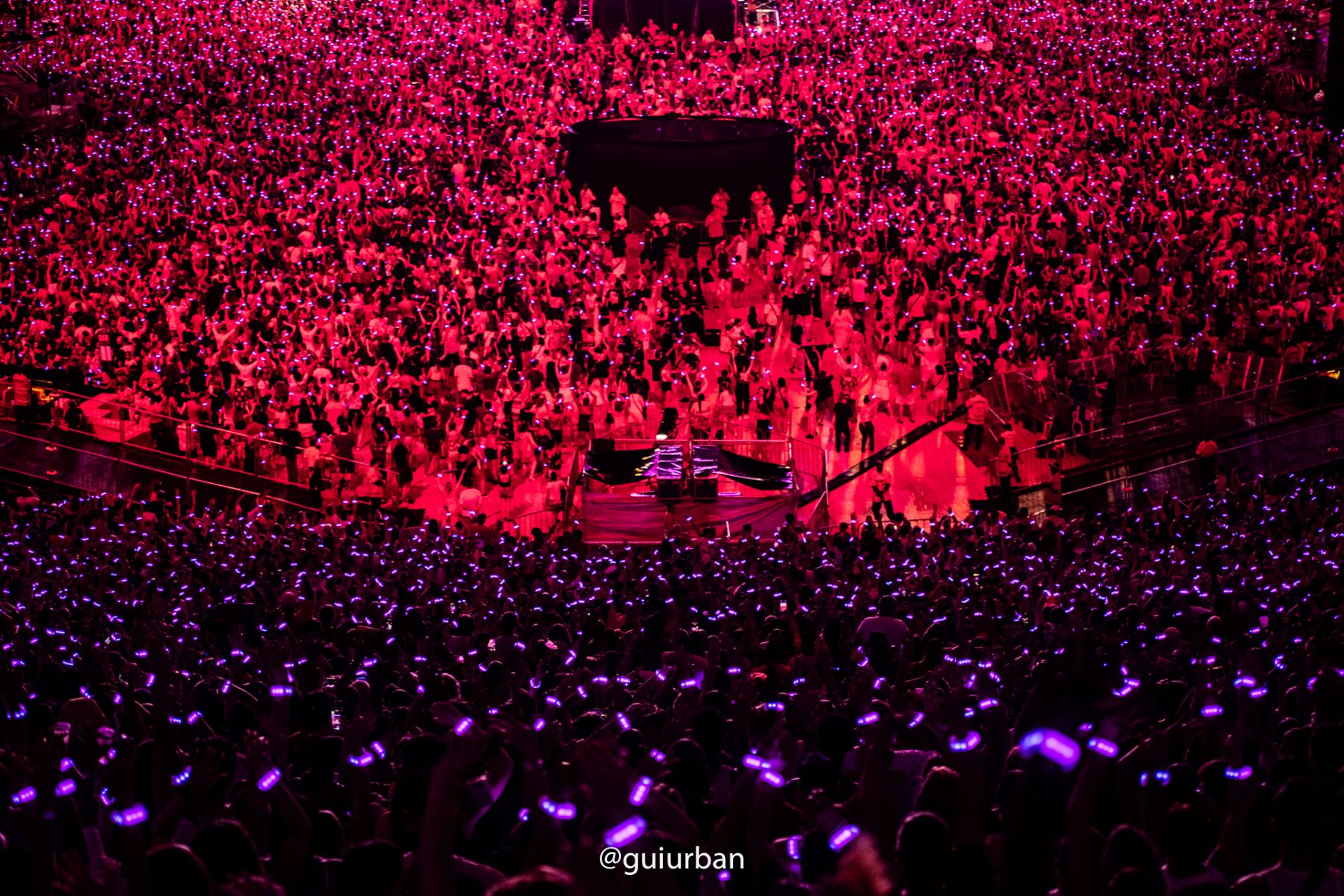
When working with wearable LED technology, for example, the creative plan might involve specific color chases across different stadium sections. The leader’s role is to ensure the creative ambition is matched by a robust technical plan for deployment and execution. It’s a dialogue between the "what" and the "how," and the leader is the essential translator, ensuring the artist