The Responsible Encore: A Blueprint for Sustainable Live Events

The Afterglow and the Aftermath
The roar of the crowd, the final notes fading, the house lights coming up — these are the moments that define the live experience. But what happens after the last truck is loaded and the audience has dispersed? For too long, the event production industry has operated on a linear model: create, consume, discard. The result is an enormous environmental footprint, a trail of single-use materials, and a missed opportunity to innovate. As we design ever more breathtaking spectacles, we must also design for what comes after. The future of live events isn’t just about creating unforgettable moments; it’s about ensuring those moments don’t cost the earth.
This calls for a paradigm shift from a disposable mindset to a circular one. It requires us to view every production element not as a consumable, but as an asset with a lifecycle. For event producers, tour managers, and brand marketers, embracing sustainability is no longer a niche concern but a core tenet of responsible and forward-thinking event design. It’s about building a legacy that endures long after the encores fade.
Rethinking the Toolkit: The Power of Reusability
At the heart of this shift is the principle of reusability. The most sustainable item is the one you don’t have to remake. In the world of immersive event technology, where custom elements are often the norm, this presents both a challenge and a profound opportunity. The goal is to create powerful, reusable platforms that can be adapted, rebranded, and redeployed across countless events, minimising waste without compromising on creative impact.
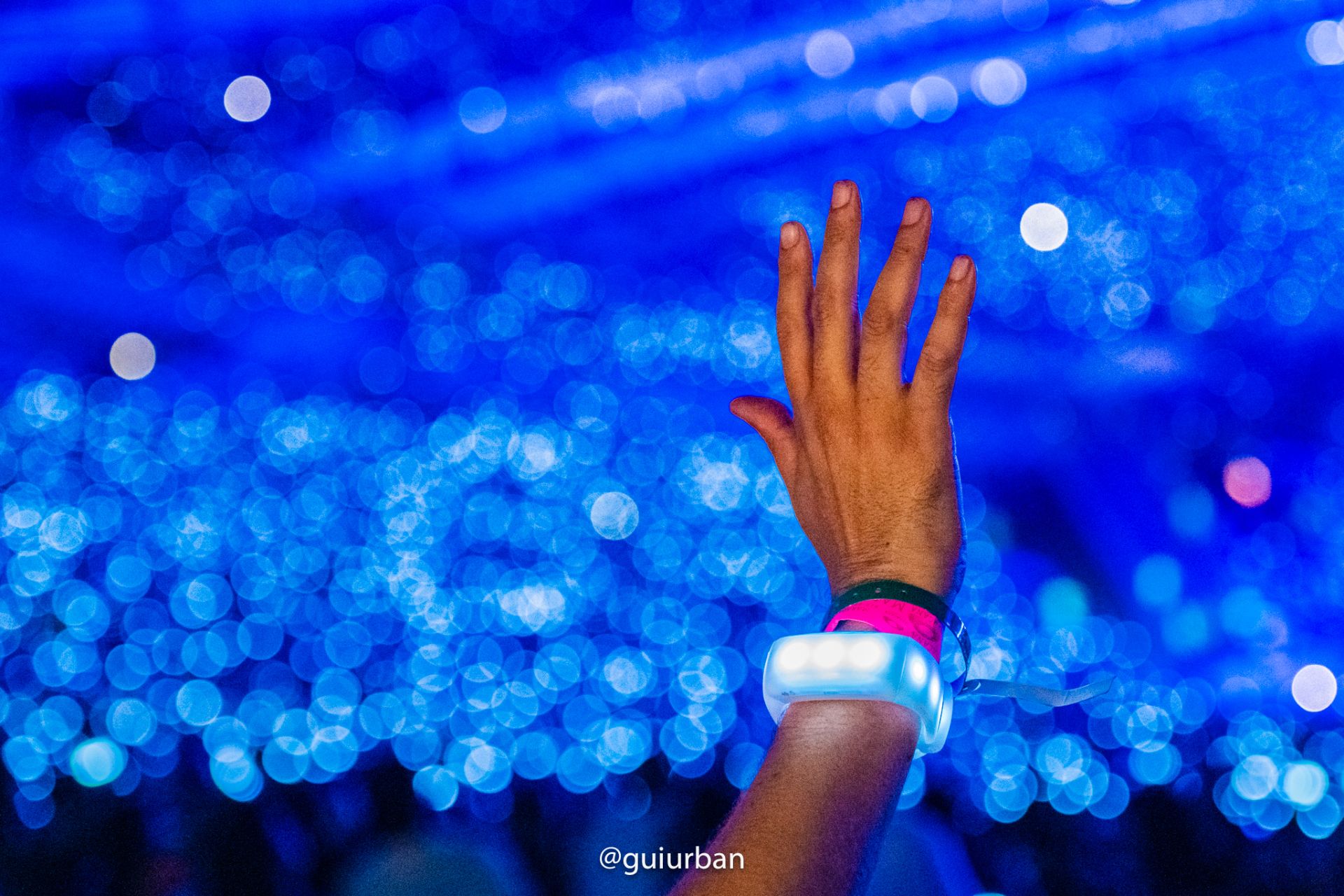
Take, for example, the evolution of LED wristbands. Initially conceived as souvenirs, their potential as reusable assets is now being fully realised. At Xylobands, we pioneered a returns and recycling program that has become a cornerstone of our service. Following a show, our teams collect the wristbands from audience members and purpose-built collection bins. They are then returned to our facilities, where they are cleaned, sanitised, and have their batteries replaced. This process prepares them for their next deployment, ready to create magic for another audience, another night.
The success of this model is evident in its real-world application. For Wizkid’s historic, three-night sell-out run at London’s O2 Arena, the same set of LED bands were used each night, with stock topped up as needed. This simple, effective system dramatically reduced the material footprint of the event. It’s a model we’ve scaled globally, demonstrating that high-impact LED crowd experiences and sustainability can, and should, go hand-in-hand.
Designing for Durability and Disassembly
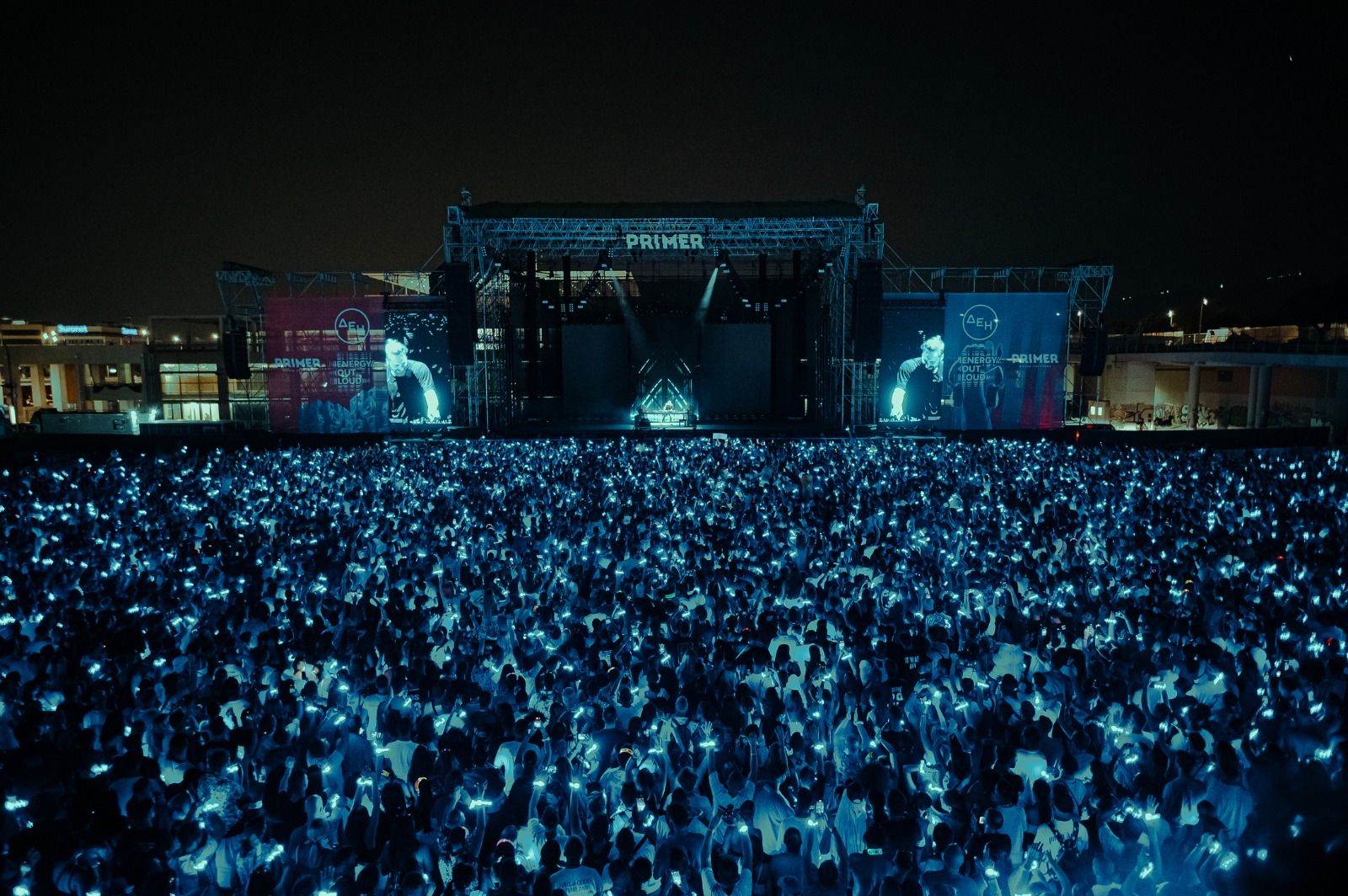
A successful circular model begins at the design stage. To create truly reusable technology, you must engineer for durability and easy disassembly. Products must be robust enough to withstand the rigors of live events — from packed stadiums to outdoor festivals like Greece’s PRIMER Music Festival — yet modular enough to be efficiently refurbished.
Key Principles of Sustainable Hardware Design:
- Robust Casings: Our wristbands are built with durable, resilient casings designed to protect the intricate internal electronics from impact and moisture, ensuring a long operational life.
- Modular Components: We design our wearable LED technology with a modular architecture. This allows for the quick replacement of specific parts, like batteries or straps, without needing to discard the entire unit.
- Responsible End-of-Life: When a Xyloband finally reaches the end of its functional life, its design allows for straightforward disassembly. Components can be separated and channelled into the correct recycling streams, ensuring that materials are reclaimed and repurposed, preventing them from ending up in landfills.
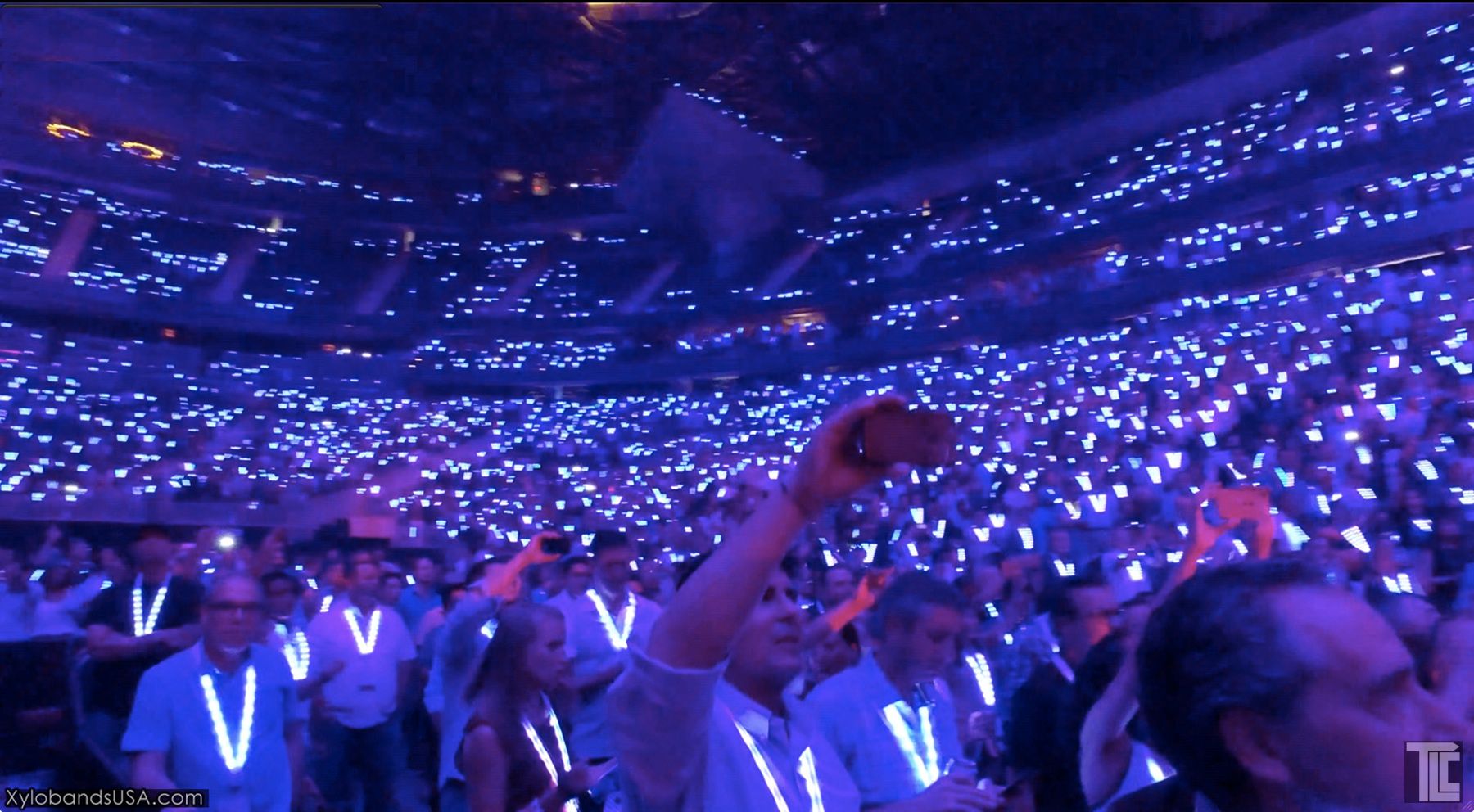
This philosophy extends beyond just wristbands. Whether it’s LED lanyards for corporate event activations or custom pendants like those designed for the Formula One 75th Anniversary, the principles remain the same. By prioritising longevity and reparability, we move away from a throwaway culture and towards a more responsible and economically sensible production model.
The Ripple Effect: Sustainability as a Brand Statement
For artists, brands, and festivals, adopting sustainable practices is more than just an operational decision; it’s a powerful statement of values. In an era of heightened environmental awareness, audiences and consumers are increasingly drawn to organisations that demonstrate a genuine commitment to social and environmental responsibility. Integrating reusable technologies like Xylobands isn’t just about reducing waste; it’s about aligning your event with the values of a modern audience.
By making sustainability a visible part of the experience, you invite the audience to become active participants in the solution. Placing collection bins, communicating the reusable nature of the wristbands, and celebrating a collective commitment to responsibility transforms a simple operational choice into a shared act of positive change.
This creates a deeper connection between the audience and the event, fostering a sense of shared ownership and pride. It proves that creating spectacular, immersive events and being environmentally conscious are not mutually exclusive goals. From Coldplay’s world tours to the Davis Cup, the world’s most iconic events are proving that the most memorable experiences are also the most responsible ones.
The Future is Circular
The transition to a circular economy in live events is an ongoing journey, not a destination. It requires a collective effort from artists, producers, tech suppliers, and audiences. It demands that we challenge old habits, embrace new technologies, and prioritise long-term value over short-term convenience. The responsible encore is not just about the final song of the night; it’s about the lasting impact we leave behind.
By investing in reusable, durable, and responsibly managed technologies, we can continue to push the creative boundaries of what’s possible in live entertainment. We can create the stunning, unified moments of light and energy that define immersive events, all while building a more sustainable and resilient future for our industry. The show must go on, and with a circular mindset, it can—responsibly and brilliantly.