The Sixth Sense: A New Framework for Inclusive Live Events
The Unspoken Contract of Live Experiences
When an audience gathers, they enter into an unspoken contract with the creators of the experience. The terms are simple: show us something unforgettable. In return, we will give you our undivided attention. For decades, this exchange has been predicated on a relatively narrow band of sensory input—primarily audio and visual. But as our understanding of human experience deepens, so too must our approach to designing the events that define our cultural landscape.
The new frontier of live-experience design is not just about being bigger, louder, or brighter. It’s about being smarter, more empathetic, and more inclusive. It’s about engineering events that resonate with every single person in the room, regardless of their sensory or cognitive wiring. This is the shift from designing for the “average” attendee to architecting for the individual, creating a more profound and accessible experience for all.
Beyond Ramps and Railings: The Sensory Spectrum
Historically, conversations around accessibility at live events have centered on physical infrastructure: wheelchair ramps, accessible seating, and clear pathways. These are, without question, critically important. But they represent only one dimension of a much more complex challenge. True inclusivity requires us to consider the sensory and cognitive dimensions of the live experience.
For individuals with sensory processing disorders, autism, PTSD, or even anxiety, the very elements designed to create excitement—pyrotechnics, strobe effects, and sudden, high-volume audio—can be overwhelming and distressing. This doesn’t mean we must eliminate high-energy moments. Instead, it challenges us to design with greater intentionality, using technology and thoughtful sequencing to create a more controlled and predictable, yet still powerful, sensory journey.
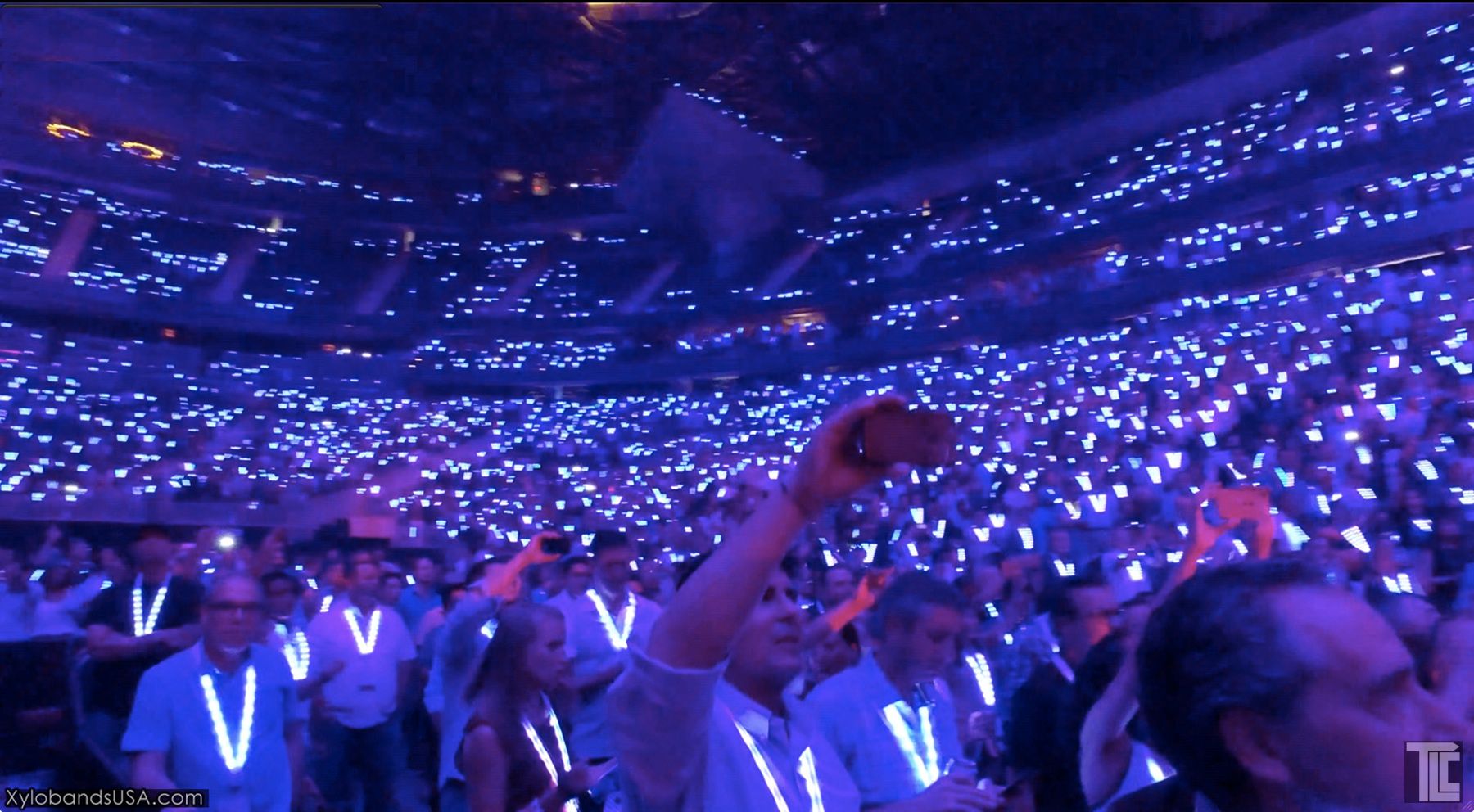
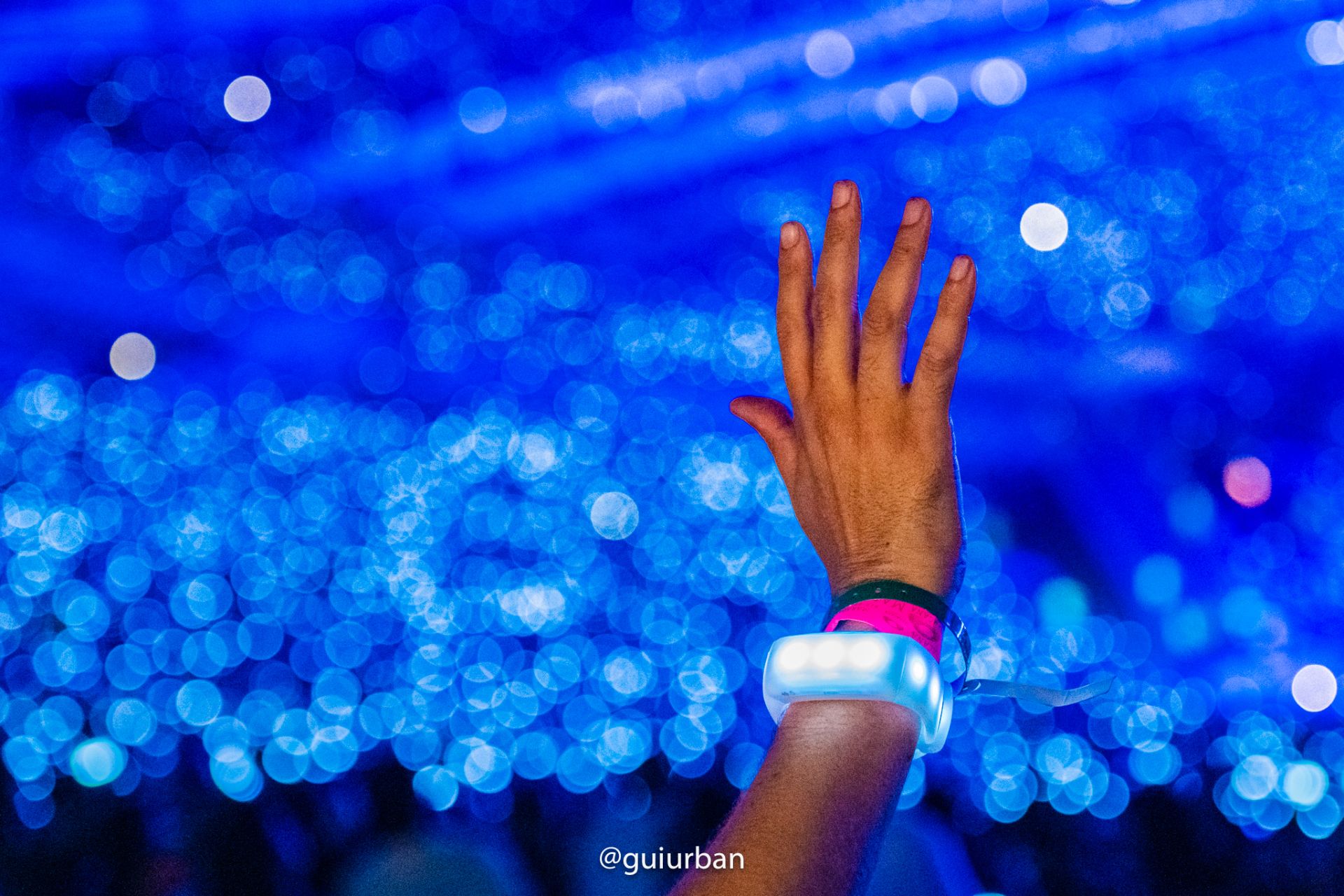
Consider the power of light. An aggressive, chaotic strobe sequence can be jarring. But a slow, rhythmic pulse of light that washes over a stadium can create a profound sense of calm and unity. Wearable LED technology, like the Xylobands that famously illuminate Coldplay concerts, offers a powerful tool in this new design framework. It shifts the light from the stage to the audience, making each person a part of the visual tapestry. This approach can be scaled and modulated, creating immersive, large-scale effects without relying solely on intense, stage-centric lighting that may be problematic for some.
Designing for Predictability and Control
One of the most effective strategies for creating more inclusive sensory environments is to introduce elements of predictability and personal control. When attendees know what to expect, they can better prepare for and navigate moments of high sensory input.
Key Strategies Include:
- Sensory Guides: Providing detailed information before the event about when strobes, pyrotechnics, or loud noises will occur.
- Quiet Zones: Designated, accessible spaces where individuals can go to decompress and reduce sensory load.
- Haptic Feedback: Using technology to translate audio cues into physical vibrations, offering a non-auditory way to experience the rhythm and beat of a performance.
- Personalized Lighting: The next evolution of LED crowd experiences could involve allowing attendees to opt-in to different levels of light intensity via an app, giving them direct control over their immediate environment.
This isn’t about sanitizing the live experience; it’s about enriching it. It’s about providing multiple pathways to the same emotional destination. For a global artist like Maluma, who brings together tens of thousands of fans for broadcast events, or major sporting spectacles like Formula One and the Davis Cup, the ability to create a unified yet individually considerate experience is paramount. Immersive event technology provides the toolkit to achieve this at scale.
Light as a Universal Language
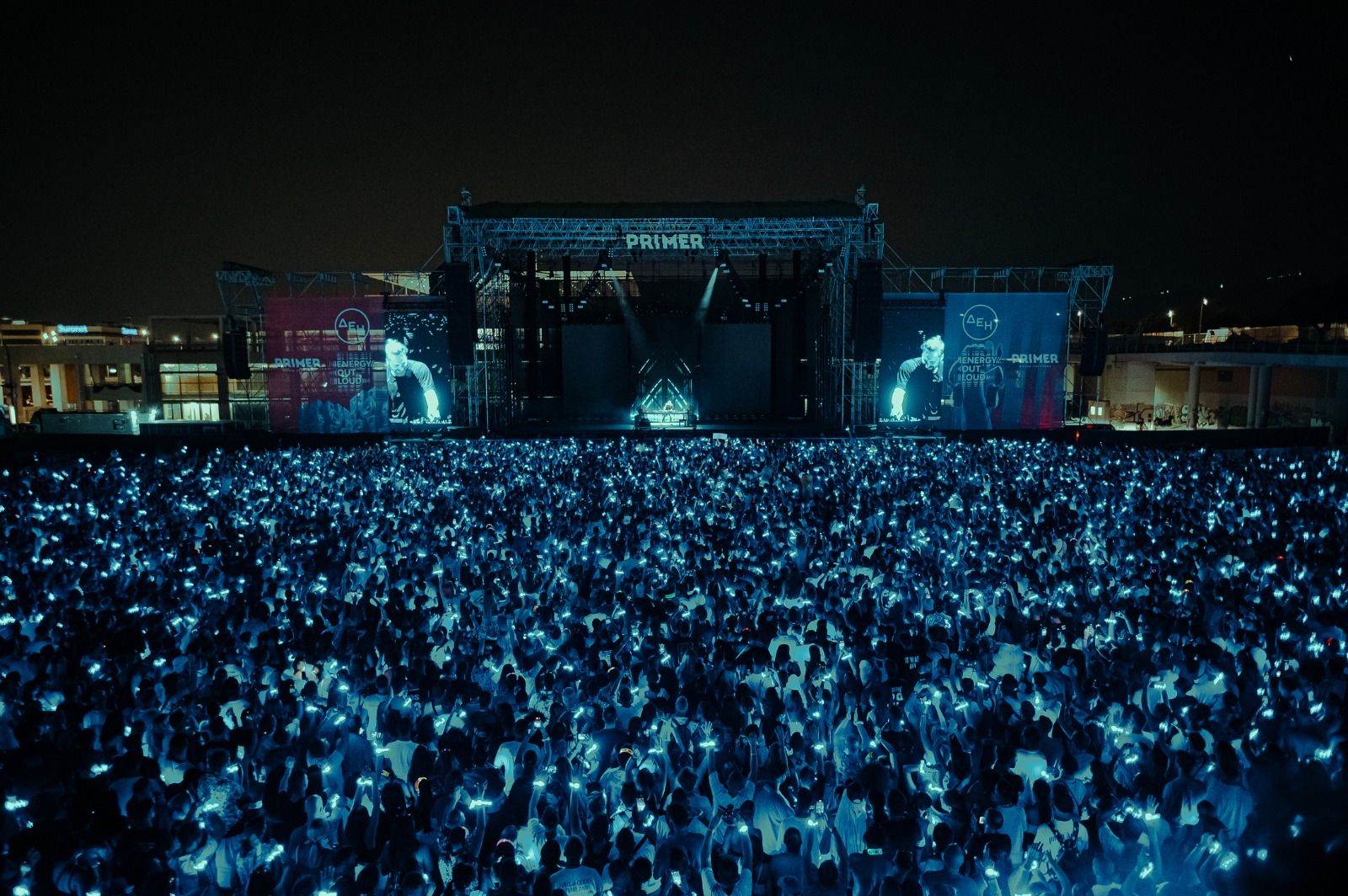
The beauty of light is its universality. It transcends language and auditory limitations. For guests who are d/Deaf or hard of hearing, a synchronized light show provides a powerful visual representation of the music’s dynamics, rhythm, and emotional arc. When thousands of LED wristbands or LED lanyards pulse in time with the kick drum or change colour with a chorus, the music becomes a visual, communal experience.
This transforms the audience from passive spectators into active participants—a living, breathing visualization of the sound. It bridges the gap between the auditory and the visual, ensuring that the core emotional journey of the performance is accessible to more people. This philosophy of using light to create shared experiences is central to what we do at Xylobands, turning vast arenas into intimate, connected spaces.
The Business of Belonging
Adopting an inclusive design framework is not just a moral imperative; it’s a strategic one. By broadening the accessibility of our events, we broaden our audience. We foster deeper loyalty and create a reputation for care and consideration that resonates powerfully in today’s market. Brands that champion inclusivity in their corporate event activations are making a clear statement about their values, building connections that go far beyond a single evening.
The future of live entertainment will be defined not by the technology we invent, but by how we use it to bring people together. The goal is to create moments of collective effervescence, those rare, transcendent instances where thousands of individuals feel like one. By embracing a more thoughtful, empathetic, and inclusive approach to sensory design, we can ensure that this feeling is not a privilege, but an open invitation extended to everyone.