The Collective Current: Why 50,000 Strangers Feel Like One
The Phenomenon of Oneness
Picture it: an arena, stadium, or festival field. The house lights dim, and a single, expectant silence is shared by tens of thousands of people. In this space, strangers stand shoulder-to-shoulder, yet a powerful, invisible current is about to connect them. What is the psychological alchemy that transforms a mass of individuals into a singular, breathing entity? How does the roar of 50,000 voices feel like it comes from a single source?
This phenomenon isn’t magic; it’s a carefully engineered outcome rooted in the deep-seated psychology of human connection. For event producers, tour managers, and brand marketers, understanding these principles is the difference between an event that is merely attended and an experience that is truly felt—a moment of collective transcendence that resonates long after the lights come up.
The Foundation: Social Identity and Shared Focus
At our core, humans are wired for belonging. Social Identity Theory posits that a significant part of our self-concept is derived from our membership in social groups. A large-scale event—be it a concert, a championship game, or a major brand launch—creates a powerful, temporary “in-group.” The simple act of being there, sharing a common purpose, forges an immediate bond.
This initial bond is amplified by a shared focal point: the artist on stage, the players on the field, the speaker at the podium. This unified attention is the foundational layer. Everyone is looking at the same thing, listening to the same sound, anticipating the same moment. But this is only the beginning. To truly meld a crowd, you must move beyond passive observation and engage the senses on a mass scale.
Sensory Synchronization: The Body Electric
The true feeling of unity emerges when the audience’s sensory experience is synchronized. This is the principle of entrainment, where our biological rhythms—heartbeats, brainwaves—instinctively align with external rhythmic stimuli. A driving beat drop that makes everyone jump in unison is a primal example. But modern Immersive Event Technology takes this concept to a new, visually astounding level.
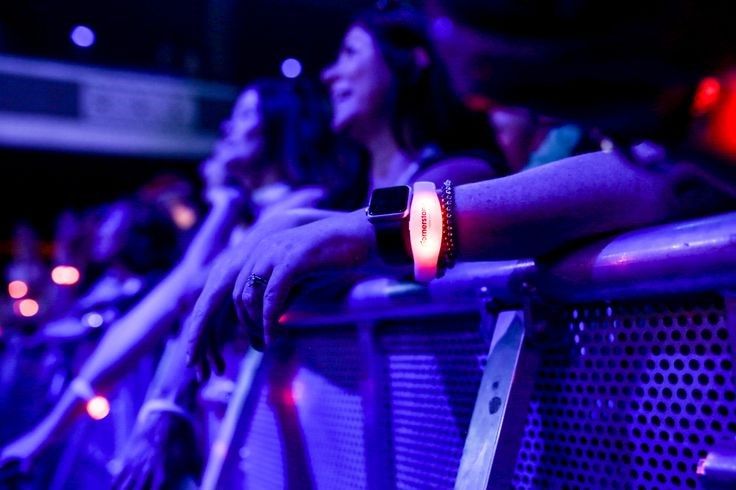
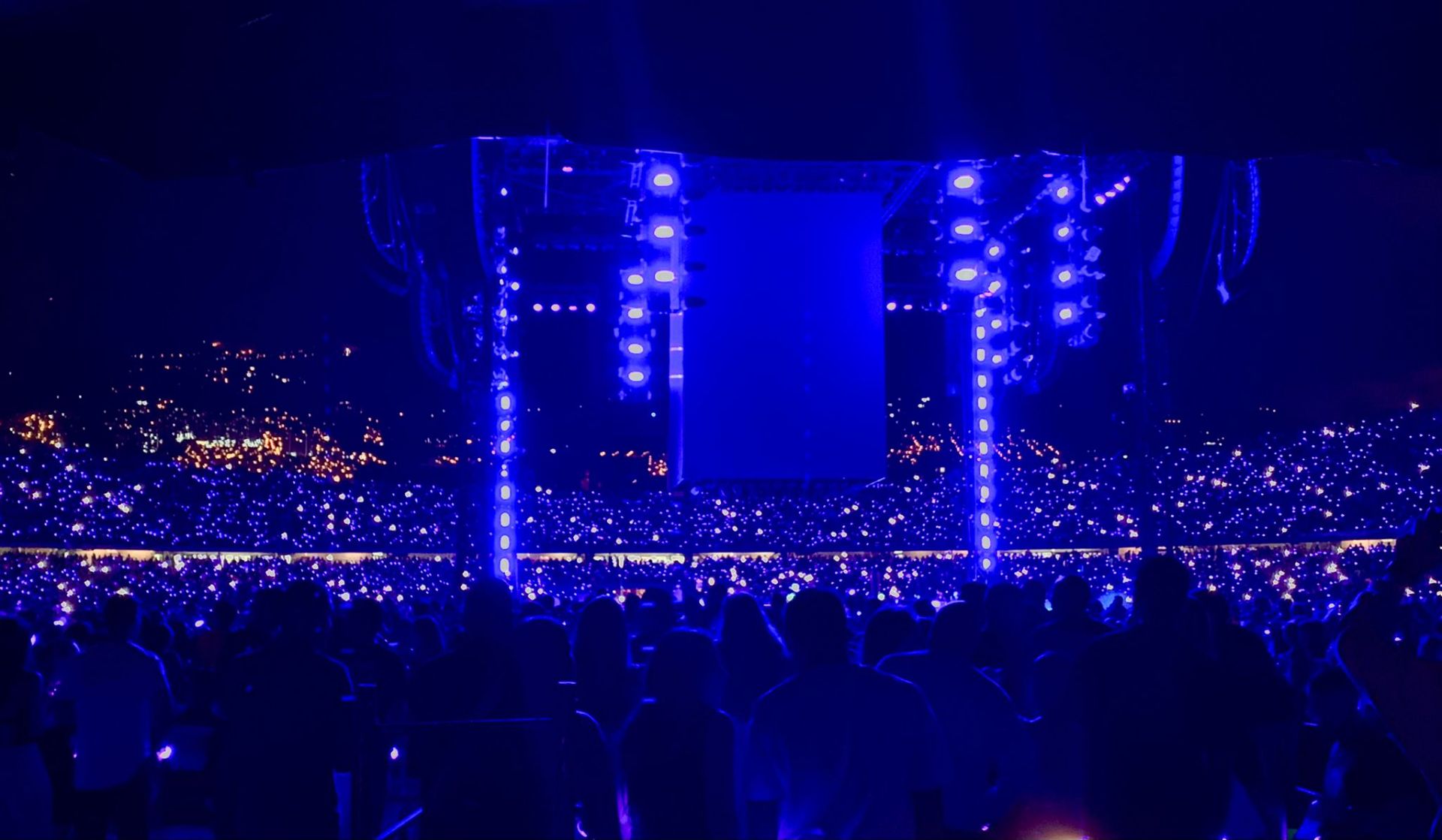
This was the very idea that sparked the invention of Xylobands at a Coldplay show at Glastonbury. The notion of transforming the audience itself into a canvas of light, visually guided by the music, was revolutionary. When 50,000 LED Wristbands illuminate in perfect unison, changing color with a chord change or pulsing with the bassline, it creates an undeniable, physiological sense of connection. The "me" begins to dissolve into the "we."
This is achieved through sophisticated control systems. Radio Controlled LED Wristbands receive signals that orchestrate complex light shows across entire stadiums, turning a passive crowd into an active, shimmering part of the performance itself. The technology serves a deeper psychological purpose: it provides irrefutable, visible proof that everyone is part of the same experience. You don’t just hear the unity; you see it on the wrists of every person around you.
From Spectator to Participant: The Audience as the Medium
The most profound change in live events over the past two decades is the demolition of the fourth wall. The audience is no longer just a passive recipient of the show; they are an integral component of it. This shift from spectatorship to participation is a critical factor in deep engagement.
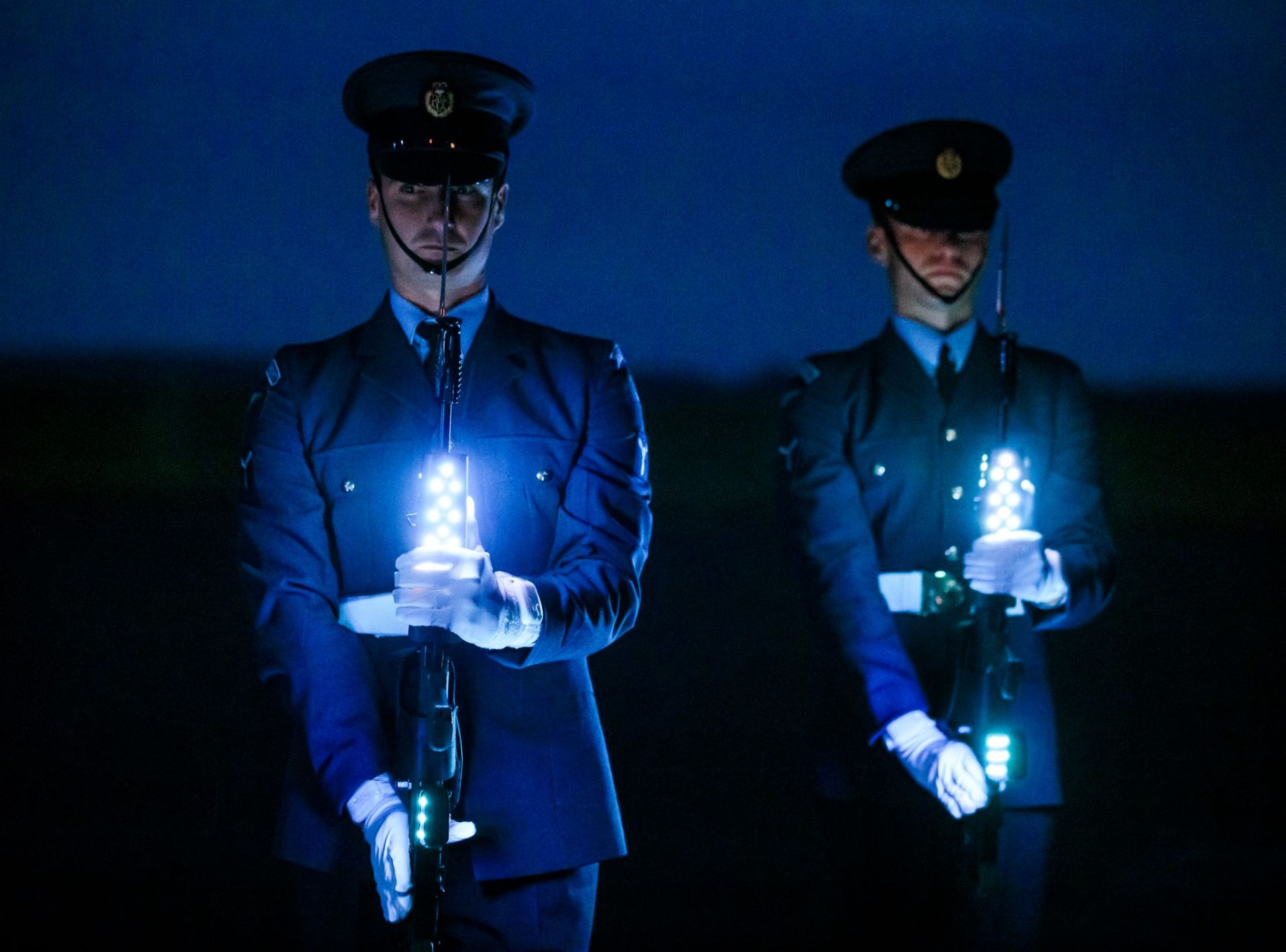
Wearable LED Technology is a cornerstone of this new paradigm. An individual wearing a Xyloband is no longer merely watching the spectacle—they are the spectacle. This transformation is psychologically potent. It imbues each person with a sense of agency and importance. Their presence matters. It contributes to the grandeur of the whole.
This principle is versatile, applying across genres and event types:
- At music events like PRIMER Festival or a landmark Maluma tour, Festival Wristbands and Concert Wristbands translate the energy of electronic or Latin music into a living, breathing light show.
- At major sporting events like the Davis Cup, LED Bracelets can flash in team colors, amplifying tribal loyalties and visualizing the roar of the crowd.
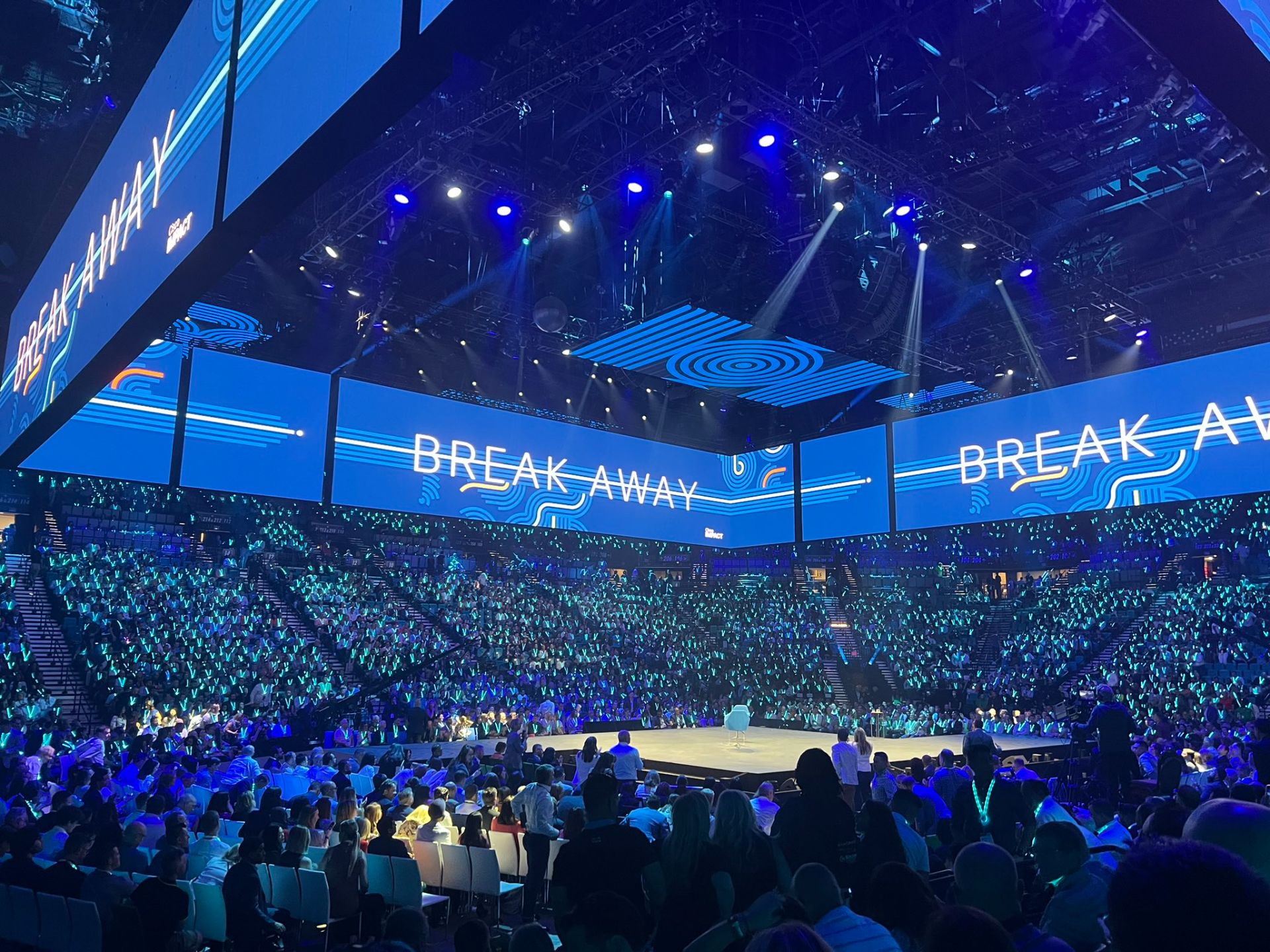
- For Corporate Event Activations, Custom LED Wristbands or LED Lanyards can create stunning brand moments, segmenting the audience by team or region and turning a conference into an immersive brand statement.
Crafting the Collective Emotional Arc
Finally, deep engagement is about storytelling. A great live event has a narrative arc—rising action, a climactic peak, and a satisfying resolution. Light and sound are the primary tools for guiding the audience along this shared emotional journey. A slow, gentle fade can build suspense, while a sudden, full-stadium strobe effect can mark a euphoric peak. This is the art of creating LED Crowd Experiences.
By programming light with the same care as a musical score, producers can create a powerful emotional architecture for the event. When Wizkid sold out the O2 Arena for three consecutive nights, the pulsing lights weren’t just decorative; they were part of the emotional fabric of a historic moment, unifying the audience in celebration.
By synchronizing the senses and empowering participation, we give an audience permission to let go of their individuality for a moment and merge with something larger than themselves.
Ultimately, the psychology of audience engagement is about creating a temporary, transcendent reality. It’s a multi-layered process that begins with the primal need to belong and is fully realized through sophisticated, intentional design. By leveraging shared focus, sensory synchronization, and active participation, we can tap into a powerful collective current, transforming a crowd of thousands of strangers into a unified, unforgettable experience.