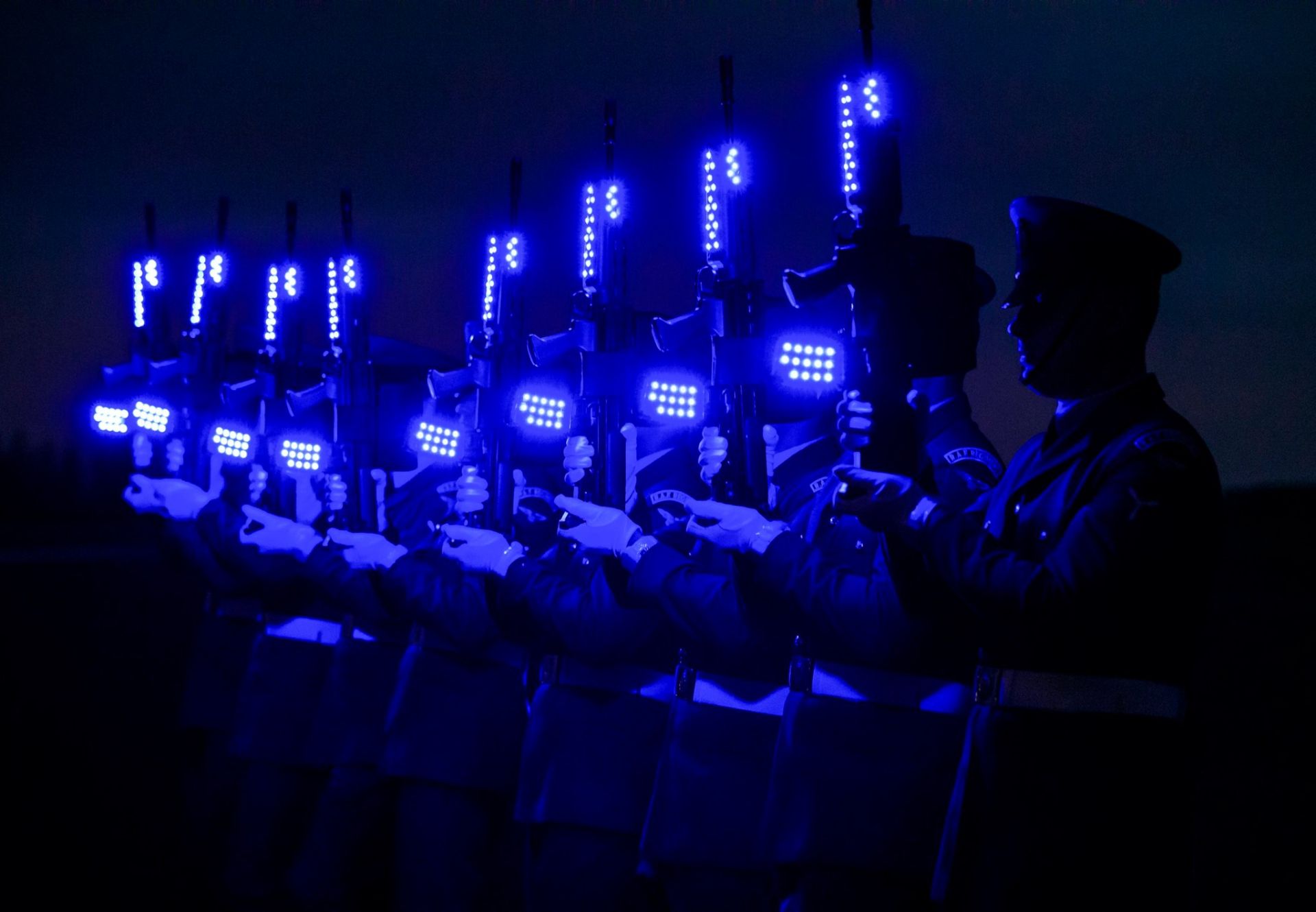
The Hidden Frequency: Dyslexia and the Creative Mind
The Unseen Advantage
In the high-stakes world of business and live events, conformity is a quiet killer. The relentless pressure to follow established formulas and replicate past successes can stifle the very innovation needed to break new ground. But what if the key to unlocking true creative advantage wasn’t found in a playbook, but in the very wiring of the human brain?
Dyslexia, a condition often misunderstood and framed as a barrier, affects an estimated one in ten people. For centuries, it has been associated with the challenges of processing written language. Yet a growing body of evidence—and a powerful roster of visionary entrepreneurs—suggests that this different way of thinking is not a deficit, but a powerful asset. Dyslexic minds often excel in areas that traditional systems overlook: spatial reasoning, pattern recognition, complex problem-solving, and a remarkable ability to see the bigger picture where others see only disconnected details.
This is not just a theory; it’s a tangible competitive edge. Studies have shown that dyslexic individuals are disproportionately represented among successful entrepreneurs. They are the architects of disruption, driven by a unique cognitive framework that allows them to connect disparate ideas and envision solutions others can’t see.
The Founder’s Story: A Different Kind of Vision
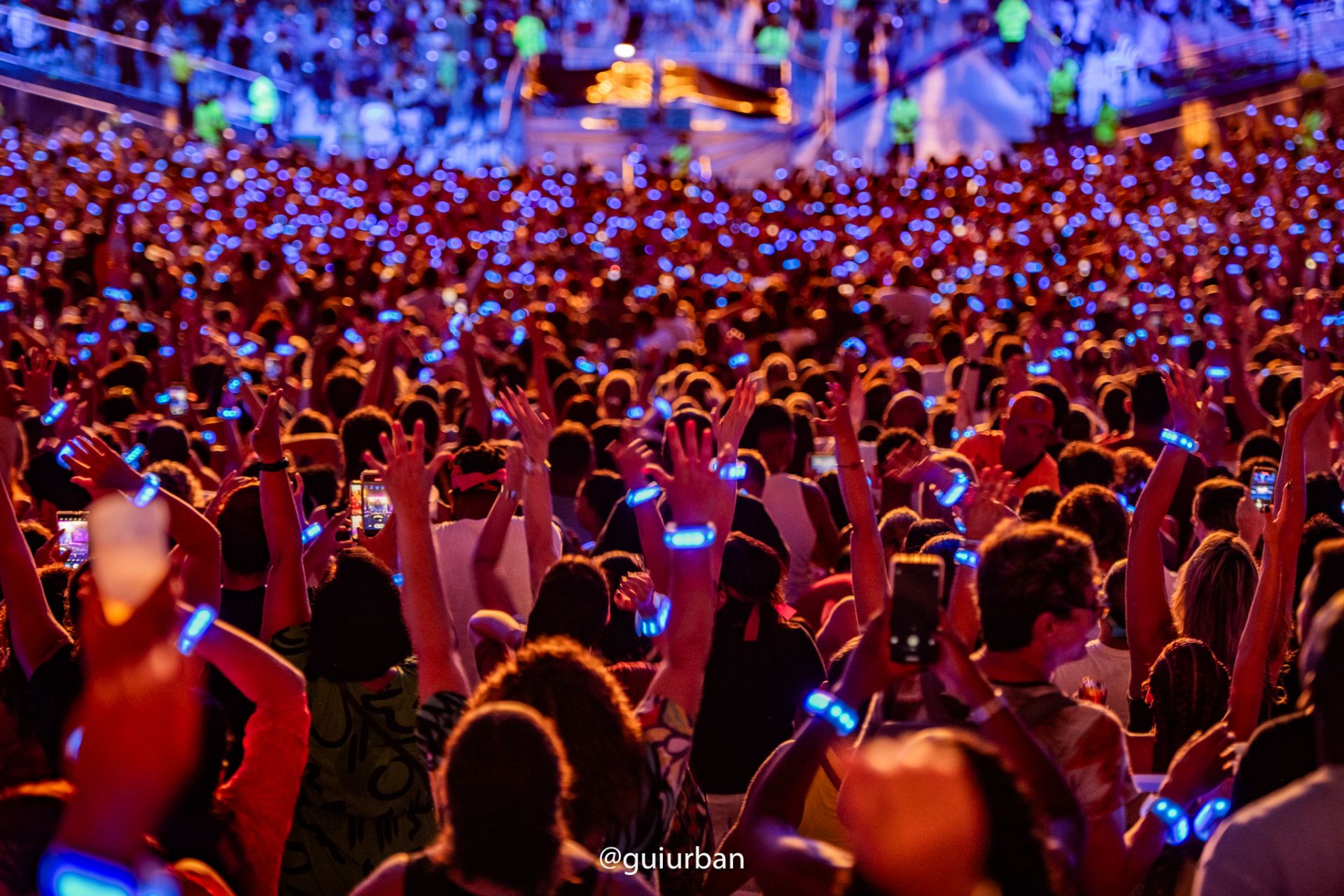
The story of Xylobands is, at its core, a story about the power of dyslexic thinking. Our founder, Jason Regler, invented the world’s first radio-controlled LED wristbands not by following a linear, conventional path, but through a moment of profound, intuitive connection. Standing in the crowd at Glastonbury Festival, he didn’t just hear Coldplay’s music; he saw it. He envisioned a future where the audience wasn’t just a passive observer, but an integral, illuminated part of the show itself.
"As the lyrics ‘Lights will guide you home’ echoed across the crowd, he imagined something extraordinary: every person in the audience becoming part of the performance through synchronised wireless LED wristbands."
This vision—transforming a crowd of thousands into a single, breathing canvas of light—required a mind that could think in systems, in pictures, and in emotions. It was a problem of scale, technology, and human experience rolled into one. The ability to hold that entire, complex picture in his mind and reverse-engineer it into a tangible product is a hallmark of the dyslexic cognitive style. Where a linear approach might get bogged down in obstacles, the dyslexic mind naturally seeks out unconventional connections and holistic solutions. It’s this very trait that led to the birth of Xylobands and ignited a revolution in LED crowd experiences.
From Big Picture to Technical Execution
One of the superpowers often associated with dyslexia is three-dimensional thinking and an intuitive grasp of complex systems. This is invaluable in the world of immersive event technology, where success hinges on the flawless integration of hardware, software, and human logistics. An event producer isn’t just managing a timeline; they are orchestrating a multi-sensory experience where every element must sync perfectly.
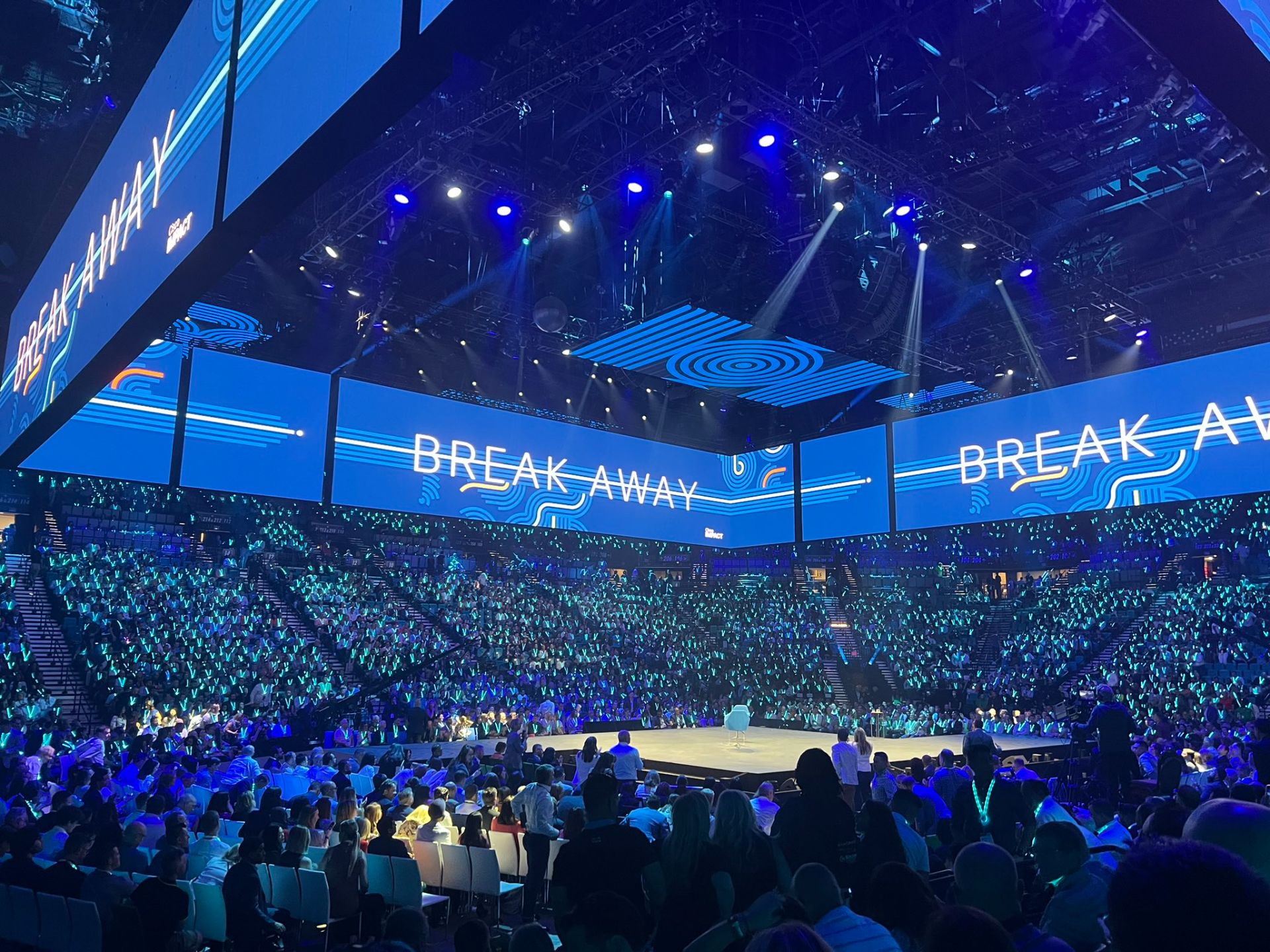
Consider the technical rollout for a global arena tour or a major broadcast event for a client like ITV or Formula One. It involves:
- Spatial Logistics: Mapping out the distribution of thousands of custom LED wristbands or LED lanyards across a stadium to create specific visual effects.
- Systems Thinking: Understanding how radio-frequency signals will behave in a dense architectural environment, filled with tens of thousands of people.
- Narrative Vision: Seeing beyond the individual lights to envision the overall story they will tell, transforming a concert into a piece of visual theatre.
These are not skills taught in a textbook. They are the product of a mind that thinks visually and systematically, seeing the final picture with absolute clarity and working backwards to assemble the pieces. This is why neurodiversity in a team isn’t a box to be ticked for corporate social responsibility; it’s a strategic imperative for any organization focused on creating groundbreaking LED experiences.
Building a Neurodiverse Creative Ecosystem
Harnessing the power of neurodiversity requires a conscious shift in how we build and lead our teams. It means recognizing that the most valuable contributions often come from those who challenge the status quo and see the world through a different lens.
How can leaders foster this environment?
- Value Different Communication Styles: The most brilliant idea is useless if it can’t be heard. Creating space for visual presentations, verbal brainstorming, and hands-on prototyping—rather than relying solely on written reports—allows every kind of thinker to thrive.
- Focus on Strengths, Not Weaknesses: Instead of trying to force a visual thinker to excel at detailed report writing, pair them with a detail-oriented project manager. Build teams where cognitive styles are complementary, creating a whole that is far greater than the sum of its parts.
- Embrace "Why Not?": Dyslexic thinking often challenges the fundamental assumptions that underpin an industry. Leaders who cultivate a culture of curiosity and are willing to explore unconventional ideas will be the ones who pioneer the next generation of corporate event activations and immersive entertainment.
The future of live events—from music festivals like Primer to global sporting spectacles like the Davis Cup—will be defined by ever-more sophisticated forms of audience engagement. The demand for truly immersive events that create genuine human connection is only growing. The companies that lead this charge will be those that understand that their greatest creative asset is the diversity of minds within their own organization. The "hidden frequency" of dyslexic thinking is not a signal to be corrected, but a powerful broadcast to which the entire industry should be tuning in.