The Human Element: A Deep Dive into Audience Engagement Psychology
The Architecture of Belonging
What transforms a gathering of thousands into a unified, singular entity? At its core, a large-scale live event—be it a stadium concert, a global broadcast, or a major sporting event—is an exercise in applied psychology. Event producers are not just coordinating logistics and programming; they are architecting moments of collective effervescence, a sociological concept describing the shared feeling of identity and euphoria that emerges when a group comes together with a common purpose.
This feeling doesn't happen by accident. It’s the result of carefully curating an environment that systematically breaks down individual barriers. The journey from a passive observer to an active participant is a psychological one, rooted in fundamental human needs: the need to belong, to be seen, and to share in a meaningful experience. When an attendee walks into a venue, they are an individual. The goal is to make them feel like part of a tribe. This is achieved not just through the main performance, but through every sensory input—light, sound, and interactive elements that foster a sense of shared identity.
From Spectator to Participant: The Power of Agency
The traditional model of live entertainment was a one-way transmission: the performer emits, the audience receives. Today, that model is obsolete. The modern audience craves agency. The psychological shift from passive consumption to active participation is profound. Giving an audience member a role to play, however small, invests them in the outcome of the show. It’s the difference between watching a painting and being handed a brush.
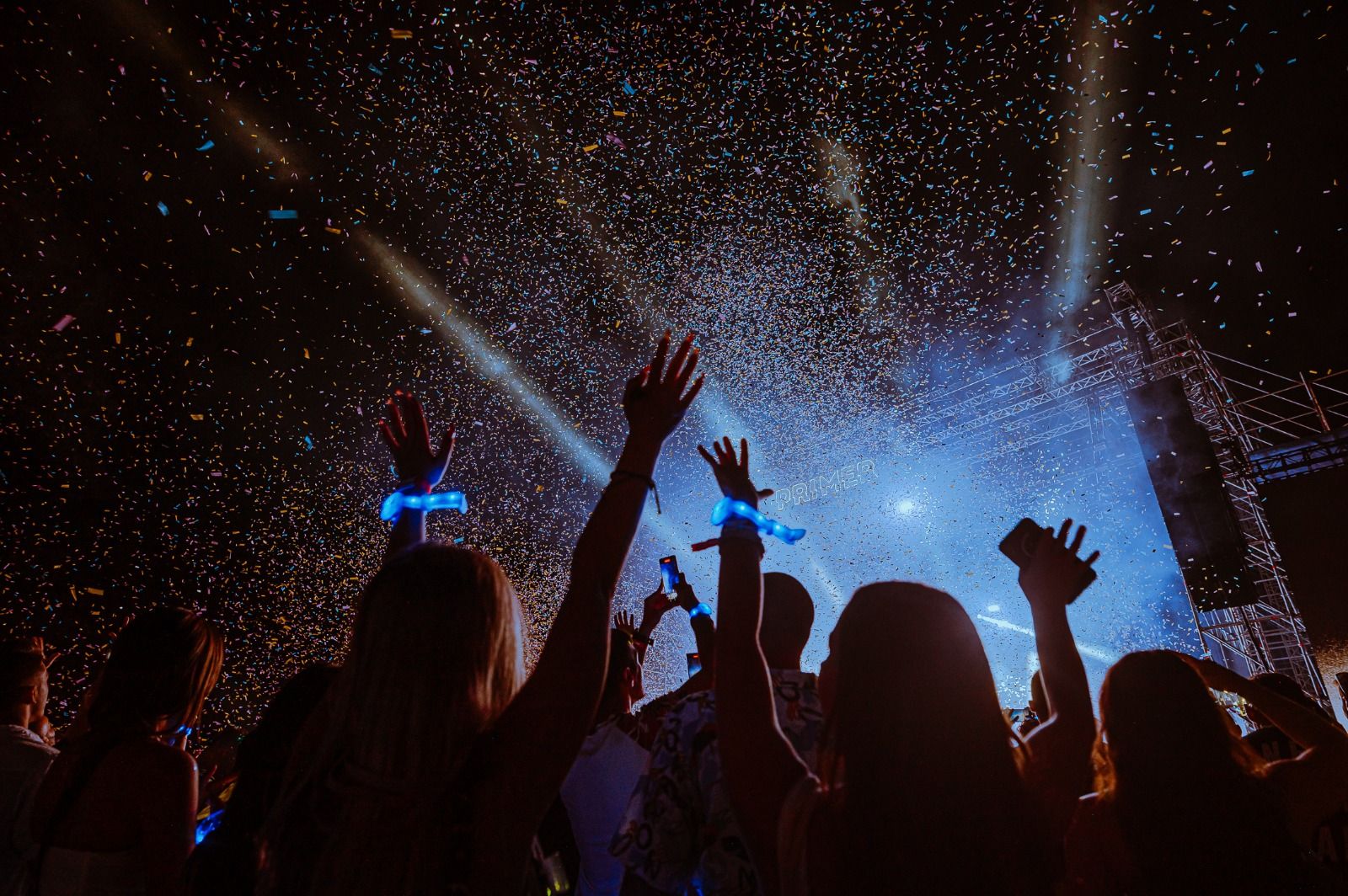
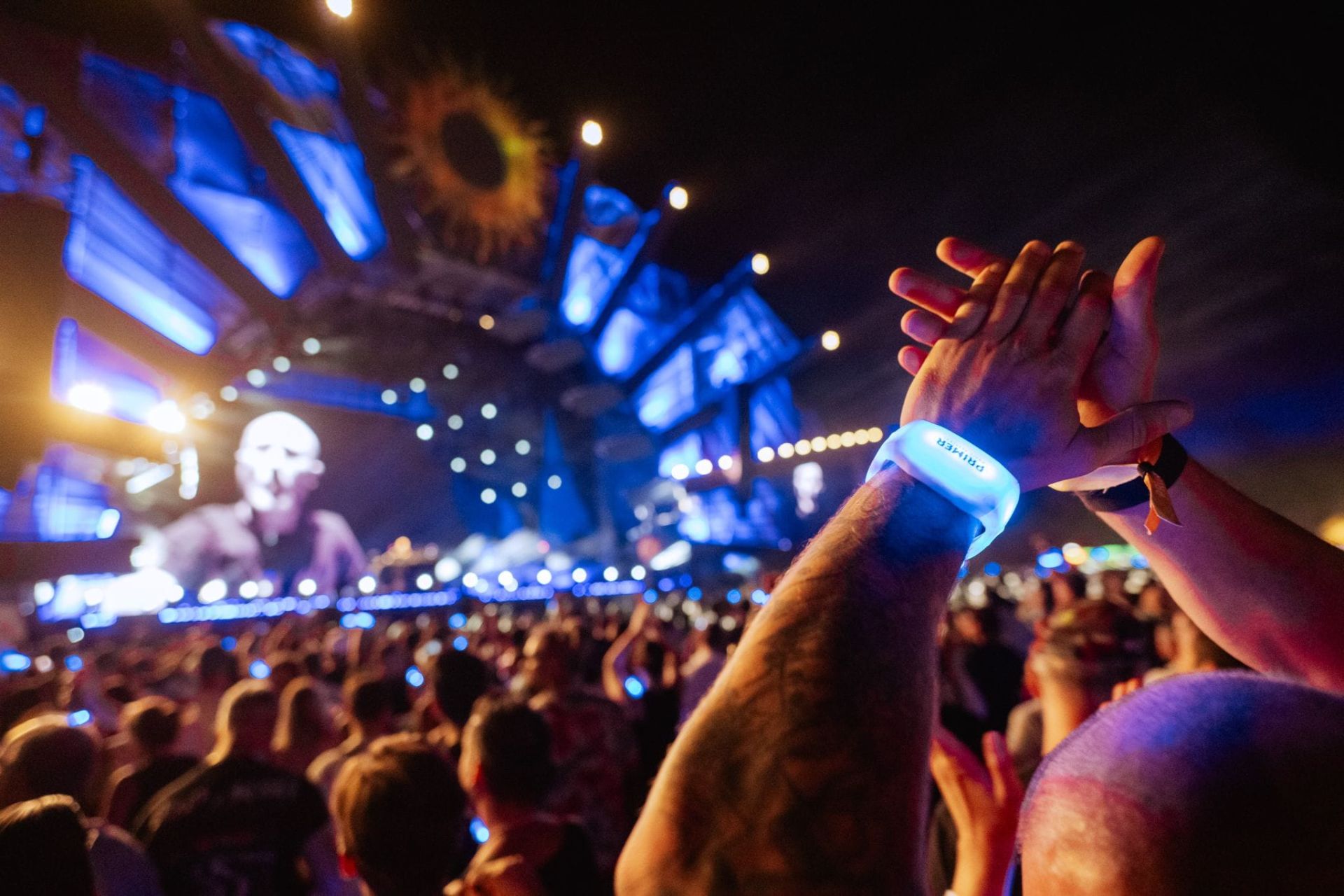
This is where immersive event technology becomes a critical tool. Technologies like our radio controlled LED wristbands are not merely accessories; they are instruments of engagement. When tens of thousands of LED bands light up in perfect synchrony, controlled by the lighting designer, the crowd itself becomes a canvas. Each individual is a pixel in a grand, moving picture. This act of being part of a larger visual spectacle satisfies the deep-seated human desire to contribute to something bigger than oneself. The effect is a powerful feedback loop: the audience sees their collective impact, which deepens their engagement and heightens the emotional energy of the space, which in turn fuels the performance.
Synchronicity and the Collective Brain
Neuroscience offers fascinating insights into why these moments feel so powerful. When a large group of people experience the same stimulus simultaneously—a beat drop, a chorus, a sudden cascade of light—their brainwaves can begin to synchronize. This neural coupling is a biological basis for the feeling of unity we experience in a crowd. It’s a state of shared consciousness, where the boundaries of the self become momentarily blurred.
Creating these moments of mass synchronicity is both an art and a science. It requires a deep understanding of pacing, narrative, and sensory dynamics. We saw this firsthand working with artists like Maluma, whose historic concert in Medellín brought together over 50,000 people. By integrating LED experiences into the show, every audience member becomes a part of the visual tapestry, their light joining thousands of others in a display of collective energy broadcast to millions more worldwide. Whether deploying festival wristbands at events like Greece's PRIMER Music Festival or creating custom pendants for a global celebration like Formula One's 75th anniversary, the principle remains the same: synchronised light creates a shared rhythm, a collective pulse that unifies a diverse crowd.
“The most powerful moments in a live show are often not the loudest, but the most unified. It’s the silence between notes, the shared gasp, or the sea of lights moving as one. That’s where the magic is.”
The Psychology of Light and Colour
Light is a primal tool for influencing emotion. Different colours and patterns evoke distinct psychological responses. A sudden, sharp pulse of white light can create tension and excitement. A slow, gentle fade of blue can foster a sense of calm and introspection. A wave of vibrant, warm colour washing over a stadium can generate feelings of joy and celebration. For event producers and lighting designers, the crowd is not just a target for light, but a medium for it.
Wearable LED technology allows for an unprecedented level of nuance in this "crowd-painting." It’s no longer about simply illuminating the audience. It’s about choreographing them. With custom LED wristbands, it’s possible to create complex visual narratives: segmenting the audience by seating block, creating chasing patterns that sweep across an arena, or highlighting individual sections in response to action on stage or on the field. This turns the audience into an integral part of the show’s design, making their experience more dynamic and interactive. These LED crowd experiences are a powerful statement, telling each attendee: you are not just watching the show, you are the show.
Conclusion: Engineering Connection
Ultimately, the psychology of audience engagement is the psychology of human connection. In an increasingly digital world, large-scale live events serve a vital purpose, offering genuine, tangible moments of community. By understanding the psychological drivers that underpin audience behaviour, producers and creatives can design more than just a show; they can engineer an experience that resonates on a deep, human level.
From the iconic Coldplay Xylobands that started it all to the sophisticated LED event technology used in global broadcasts and corporate event activations today, the mission has always been to close the distance between the artist and the audience. By transforming the crowd into a living, breathing part of the performance, we don’t just create a better show—we build a stronger sense of belonging and create memories that last long after the lights go down.