The Sync and the Story: A Guide to High-Trust Creative Collaborations
The Space Between the Vision and the Stage
Every unforgettable live experience begins as a conversation. It’s a dialogue between the artist’s raw, ambitious vision and the tour manager’s pragmatic command of logistics. It’s the creative director’s grand narrative translated into cues and commands, and the technical team’s deep understanding of what is not only possible, but what can be pushed into the realm of the extraordinary. This is the space where tours are made or broken—not on the stage, but in the months of planning, testing, and trust-building that precede the first note.
For artists and their core teams, the choice of a technical partner is one of the most critical decisions in the entire production lifecycle. It’s not merely about sourcing equipment; it’s about finding a collaborator who can speak the language of both the artist and the engineer, who can hear the creative intent behind a request and translate it into a flawless, scalable technical reality. This is the art of high-trust collaboration, and it is the unseen engine behind the world’s most iconic shows.
The First Conversation: From “What If?” to “How To”
The initial briefing is more than a technical exchange; it’s a creative alignment. The artist or creative director might come with a feeling, a reference, a piece of art, or a single powerful phrase: “I want the stadium to feel like a galaxy,” or “I want the audience to feel the music, not just hear it.”
An elite technical partner doesn’t just hear these requests; they interrogate them. They ask the right questions:
- What is the emotional core of this moment? Is it intimacy? Is it explosive energy? Is it a moment of collective reflection?
- Who is this for? Is the primary experience for the live audience, or is there a broadcast component that requires equal attention? As we’ve seen with partners like ITV, designing for the camera is a discipline in itself.
- What is the narrative arc? How does this single moment fit into the larger story of the show, the tour, or the campaign?
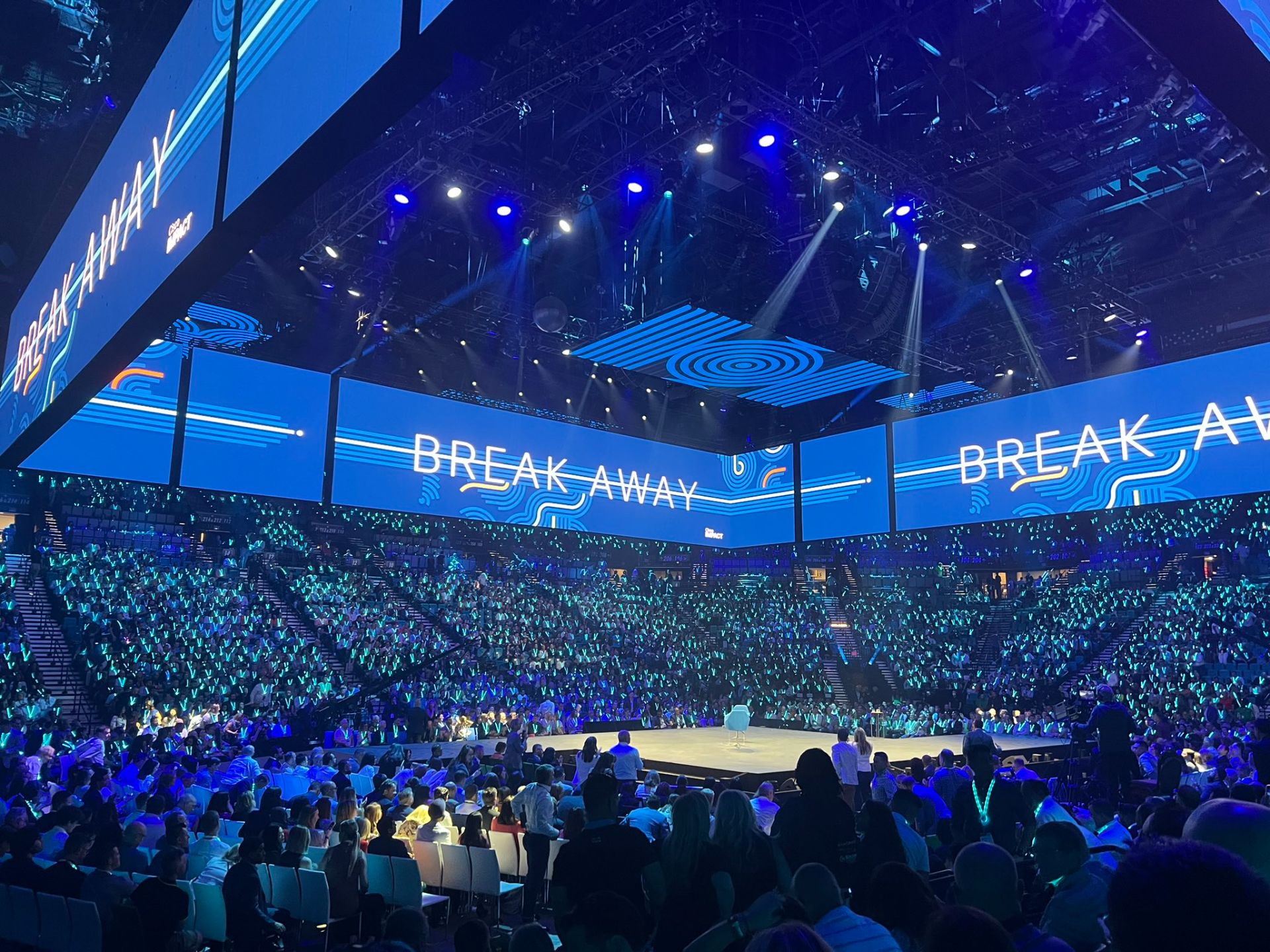
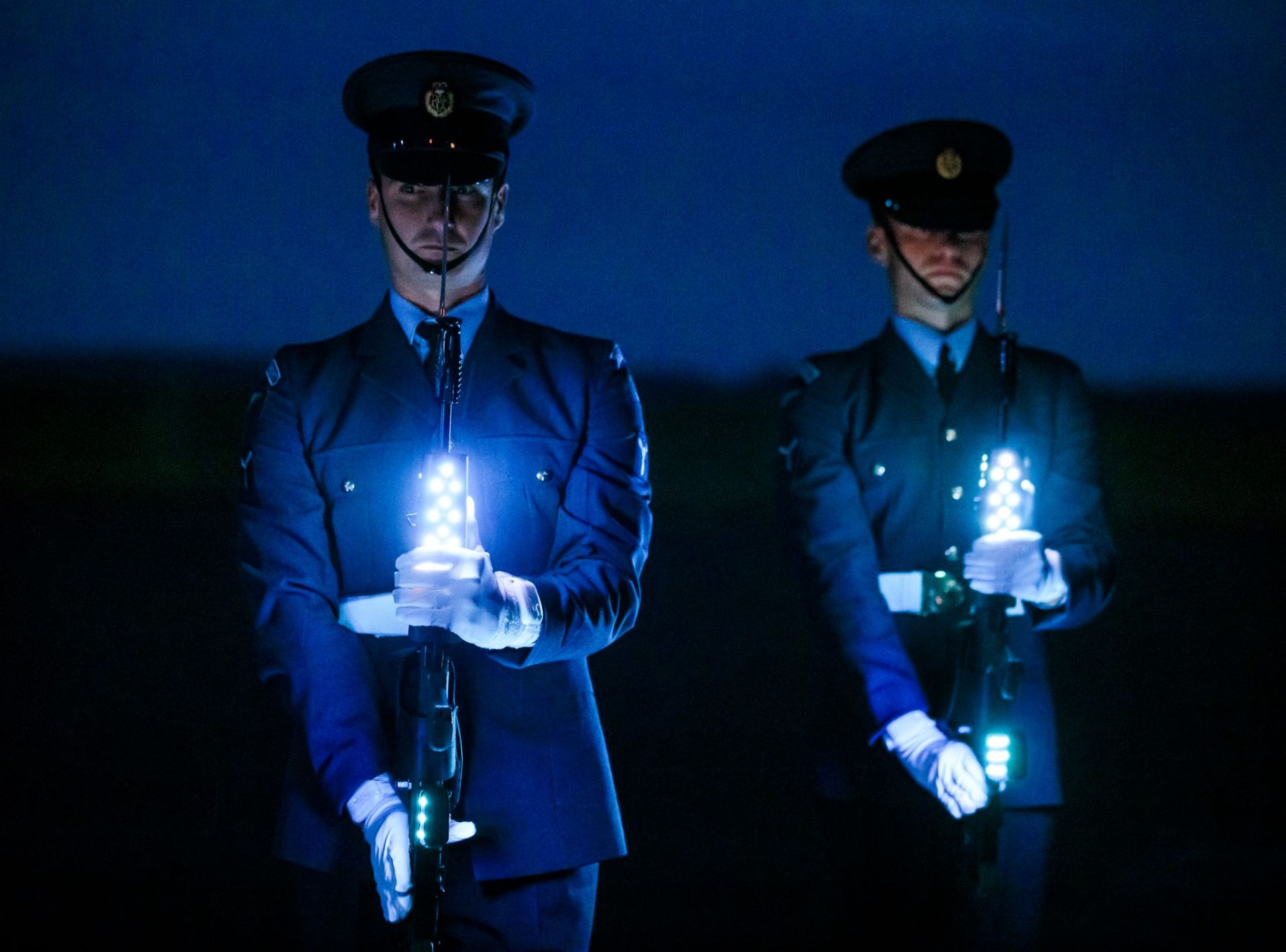
This dialogue is where a supplier transcends their role and becomes a true creative partner. They move the conversation from “what if?” to a concrete “how to.” This might involve creating custom hardware, as we did for a major Formula One anniversary event, where unique LED Lanyards were designed to represent different teams and hospitality tiers, creating segmented visual effects across the arena. Or it might involve pioneering new software to achieve a specific effect that has never been seen before.
The Playbook for Creative Symbiosis
Great collaborations are built on a shared understanding of the stakes and a mutual respect for each party’s expertise. For tour managers and creative directors looking to build these powerful relationships, a clear playbook emerges.
1. Share the ‘Why,’ Not Just the ‘What’
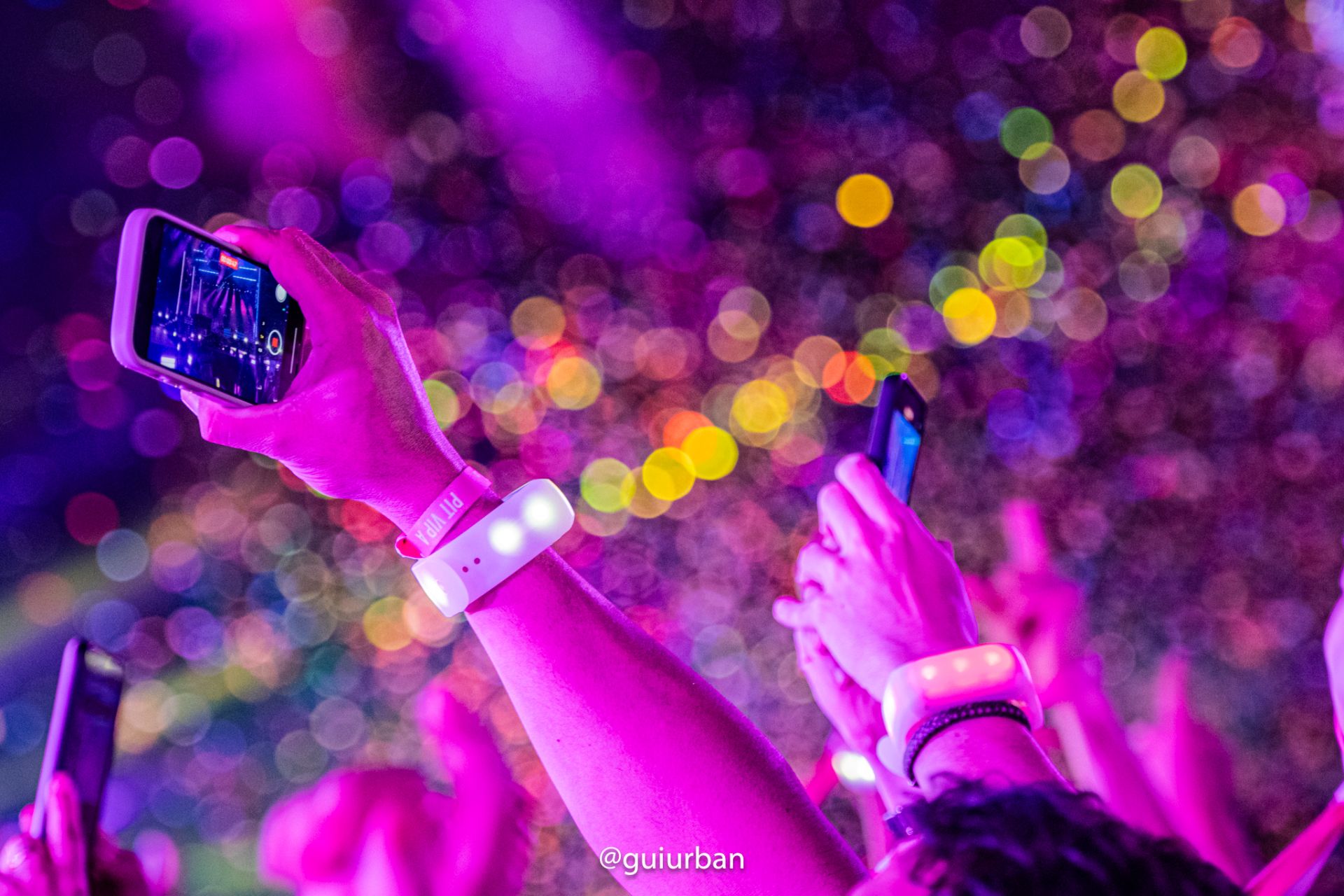
Instead of prescribing a technical solution, start by articulating the creative goal. A request for “10,000 wristbands” is a transaction. A request to “create a moment of pure unity during the encore that makes 10,000 people feel like a single entity” is an invitation to collaborate. This context empowers the technical team to bring their full expertise to the table, often proposing solutions—like our radio-controlled LED wristbands that allow for dynamic, real-time control—that the creative team may not have known were possible.
2. Embrace the Technical Deep Dive
The world’s top tour managers are not RF engineers, but they understand the fundamentals of the technologies that power their shows. They appreciate the difference between RF, DMX, and infrared control systems. They know that asking for intricate, seat-specific lighting effects in a 50,000-seat stadium requires a different approach than a general color wash. This shared language prevents costly misunderstandings and allows for more ambitious, yet achievable, creative concepts.
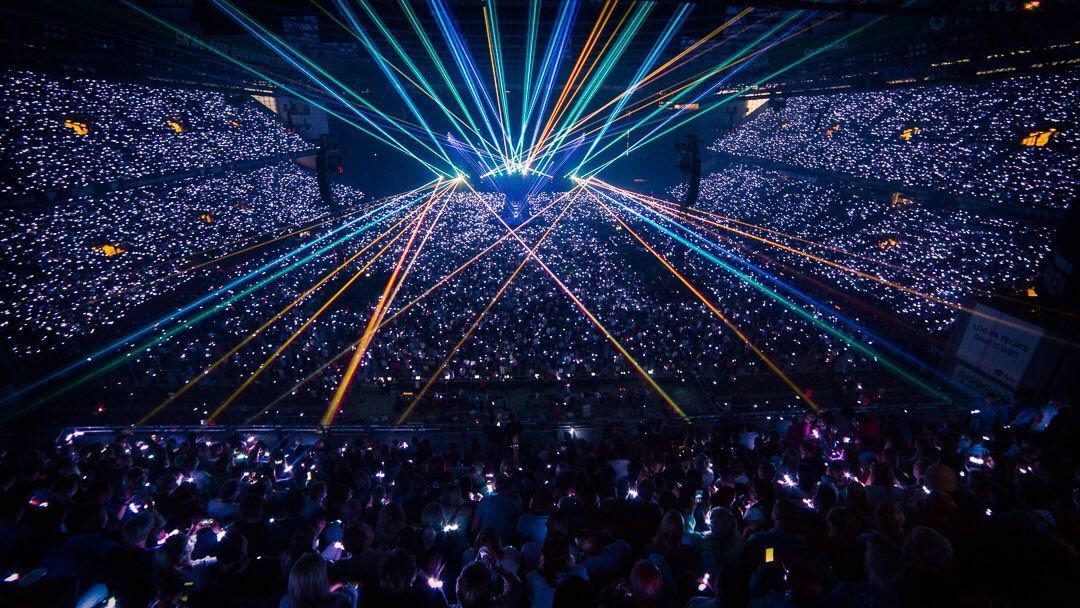
“The most successful collaborations happen when the creative team trusts us with their vision, and we trust them to be open to the technical realities. When Maluma’s team planned his historic Medellín concert, the goal was to create a spectacle worthy of a global broadcast. That meant our wearable LED technology had to be flawless, not just for the 54,000 fans in the stadium, but for the millions streaming it on Amazon. The trust was implicit.”
3. Rehearsal is Everything
On-site, the pressure is immense. The load-in schedule is unforgiving, and the crew is stretched thin. High-trust partnerships are forged in the calm of the rehearsal studio or on a pre-production call. This is the time to test the programming, to see how the LED bands interact with the stage lighting, and to refine the cues. For Wizkid’s historic three-night sellout at The O2, the flawless execution of the concert wristbands was the result of meticulous planning and a shared commitment to getting it right long before the doors opened.
The Audience as the Final Collaborator
Ultimately, the goal of this intensive collaboration is to create a seamless experience for the audience. When done right, the technology becomes invisible. The crowd isn’t thinking about radio frequencies or DMX channels; they are simply living inside the moment. They are the galaxy. They are the heartbeat. They are part of the show.
From the high-energy beats of PRIMER Music Festival to the historic championship moments of the Davis Cup, turning tens of thousands of individuals into a single, cohesive canvas of light is the ultimate expression of this collaborative process. These LED crowd experiences are more than just a visual effect; they are the physical manifestation of a shared emotional journey.
The relationship between an artist’s team and their technical partners is a delicate choreography of vision, trust, and execution. It’s a partnership that, at its best, doesn’t just support the artist’s story—it becomes an unforgettable part of the story itself, creating immersive events that resonate long after the lights go down.