The Sync and the Swarm: A Deep Dive into Large-Scale Audience Psychology
From Spectator to Participant: The Psychological Shift
What transforms a gathering of thousands of individuals into a single, pulsating entity? At the heart of every unforgettable large-scale event—be it a stadium concert, a championship final, or a global brand activation—is a profound psychological shift. This is the moment when the passive spectator becomes an active participant, and the sense of individual self is momentarily surrendered to the overwhelming power of the collective. Event producers and live-experience designers who grasp this dynamic hold the key to creating moments that don’t just entertain, but resonate on a primal human level.
This phenomenon, often termed "collective effervescence" by sociologist Émile Durkheim, describes the perceived energy and emotional synchrony that arises when a group of people share a common focus. It’s the inexplicable feeling of unity when 50,000 fans sing a chorus in unison, or the electric charge in an arena when a team scores a last-minute goal. In these moments, the crowd ceases to be a collection of strangers and becomes a temporary, unified community. Understanding the triggers for this state is fundamental to designing truly immersive events.
The Architecture of Belonging
At its core, the desire to belong is a fundamental human driver. Large-scale events tap into this need by creating a temporary "ingroup" defined by a shared purpose and experience. The traditional tools of engagement—stage design, sound, and lighting—have always aimed to focus collective attention. However, modern immersive event technology introduces a powerful new layer to this architecture of belonging.
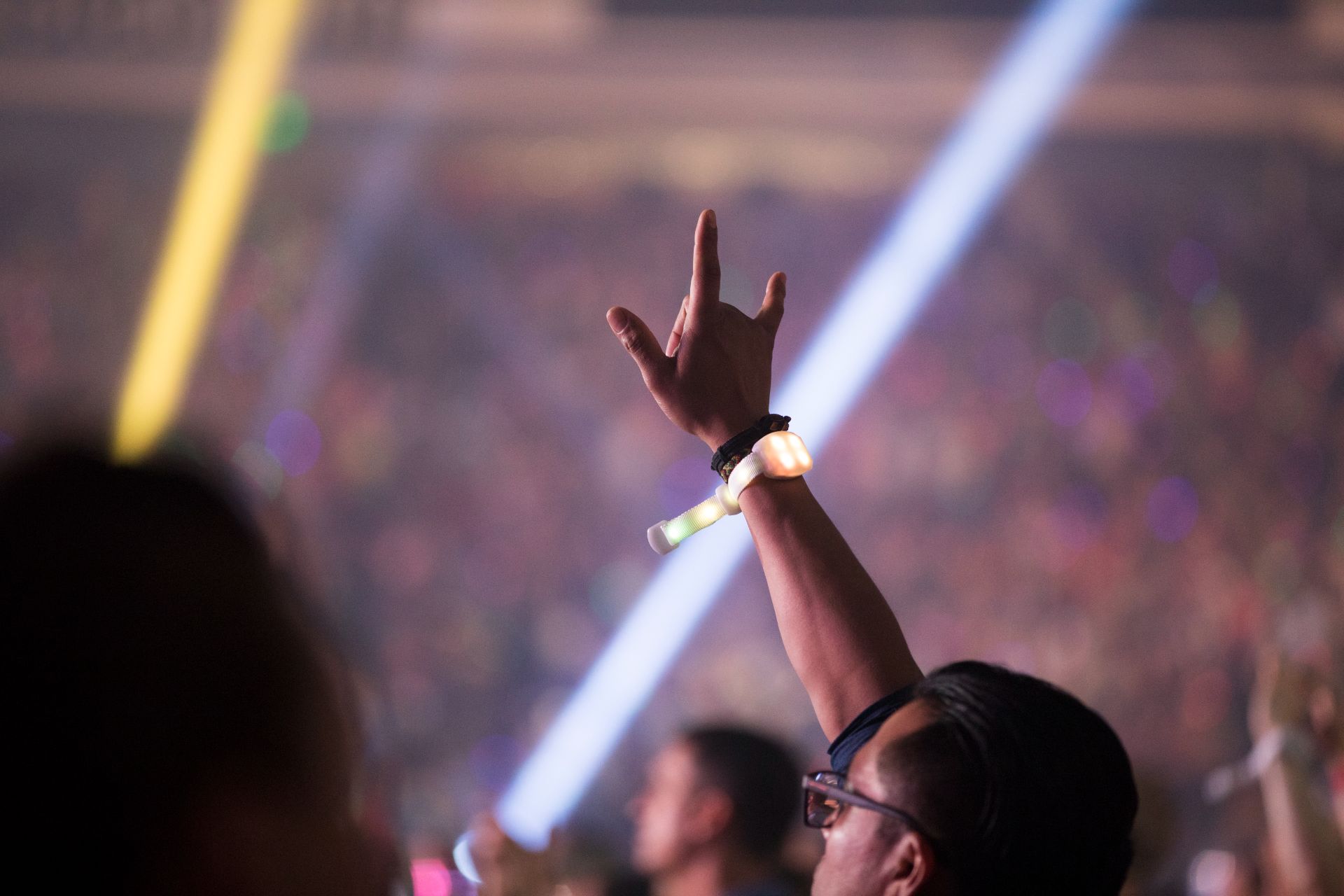
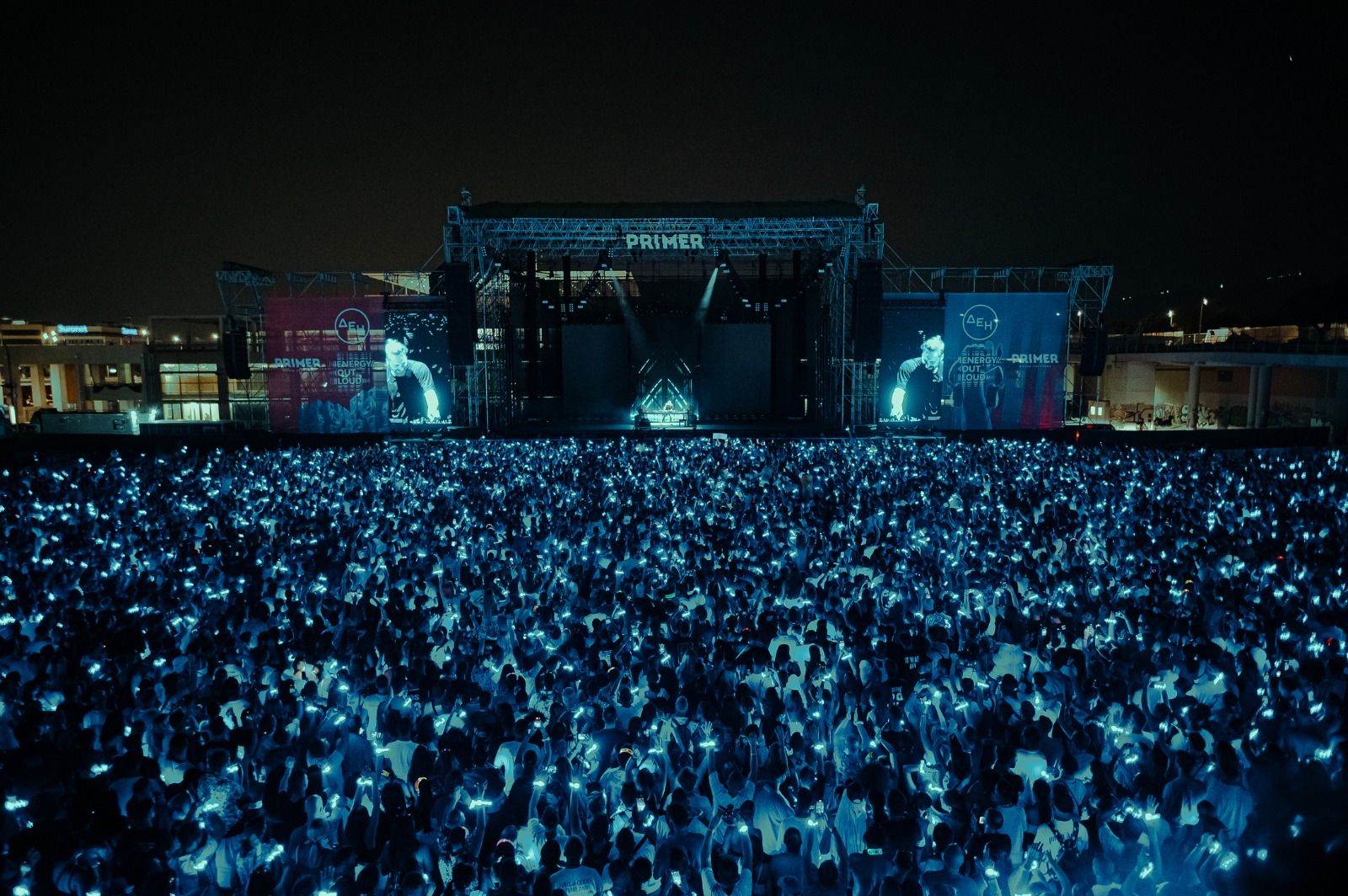
When an entire audience is unified by a single, synchronized visual element, the psychological effect is magnified exponentially. This is where technologies like radio controlled LED wristbands come into play. They act as a physical manifestation of the group's shared emotional state. No longer is the light show something to be passively observed on stage; it emanates from the crowd itself. Each individual, wearing an LED band, becomes a pixel in a vast, moving canvas. This sense of being part of something larger than oneself is a powerful psychological state known as "deindividuation."
Deindividuation: Losing Self to Find Connection
Deindividuation is often misunderstood, sometimes carrying negative connotations of mob mentality. In the context of a well-produced live event, however, it’s a positive and powerful force for connection. It’s the shedding of self-consciousness and social inhibition, allowing for a more authentic and uninhibited emotional response. When thousands of Xylobands flash in perfect time with a beat drop, the individual is not just watching the show; they are the show. This shared identity reduces feelings of isolation and amplifies the collective emotional response.
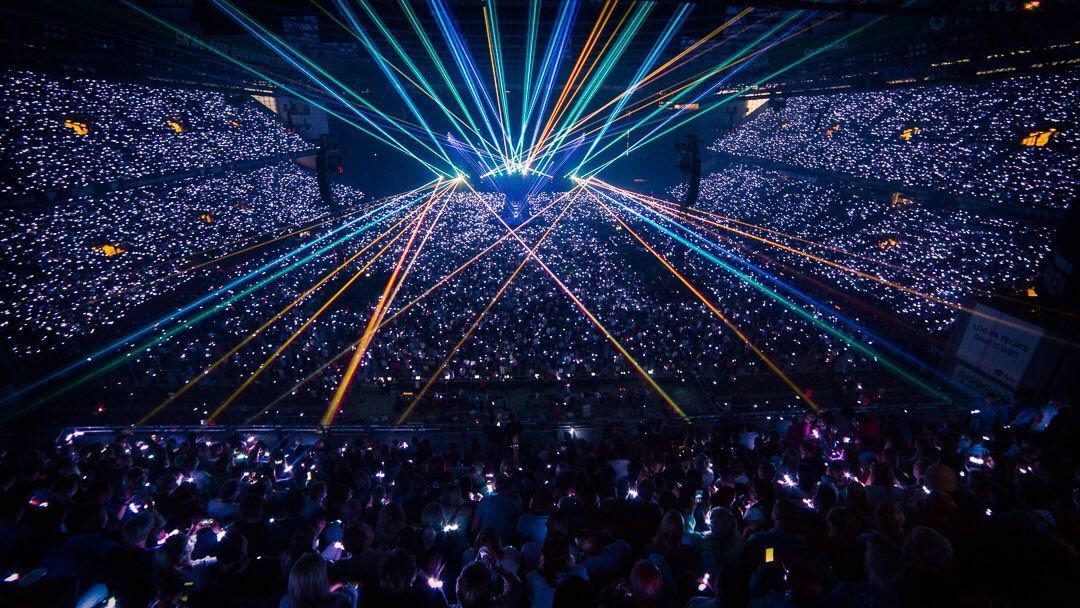
Consider the historic three-night, sold-out run for Wizkid at London's O2 Arena. The deployment of tens of thousands of wristbands didn't just add to the visual spectacle; it reinforced the monumental sense of occasion, unifying a diverse crowd in celebration of a cultural milestone. Each pulse of light was a shared heartbeat, transforming the arena into a living, breathing organism. This is the goal of effective LED crowd experiences: to make every single person feel seen, valued, and integral to the moment.
Sensory Synchrony: The Rhythm of Unity
The human brain is wired to find patterns and synchrony. When auditory and visual stimuli are perfectly aligned, the cognitive and emotional impact is significantly enhanced. This is the principle that makes a pyro blast timed with a final chord so satisfying. Wearable LED technology allows designers to extend this principle to the entire audience, choreographing light across the human landscape.
This sensory alignment does more than just look impressive; it deepens the audience's engagement by reducing cognitive load. Instead of processing disparate visual and auditory information, the brain experiences a single, unified sensory message. This state of "flow" is hypnotic, drawing people deeper into the present moment and away from the distractions of everyday life. Whether it's the pulsing energy of a music festival like Primer in Athens or the dramatic, team-coloured cues at a Davis Cup match, the goal is the same: to use synchronized light to tell a story and guide the collective emotional journey.
"When you see the whole stadium light up as one, you're not just seeing a lighting effect. You're seeing a visual representation of a shared human experience. You're seeing 50,000 people agreeing on a single moment in time. That's the magic."
The Lasting Impression: Memory, Identity, and the Souvenir
The psychological impact of a great event doesn't end when the lights go up. The most successful experiences create lasting memories that become part of a person's identity. The physical token from that experience—the ticket stub, the t-shirt, the wristband—serves as a powerful psychological anchor to that memory.
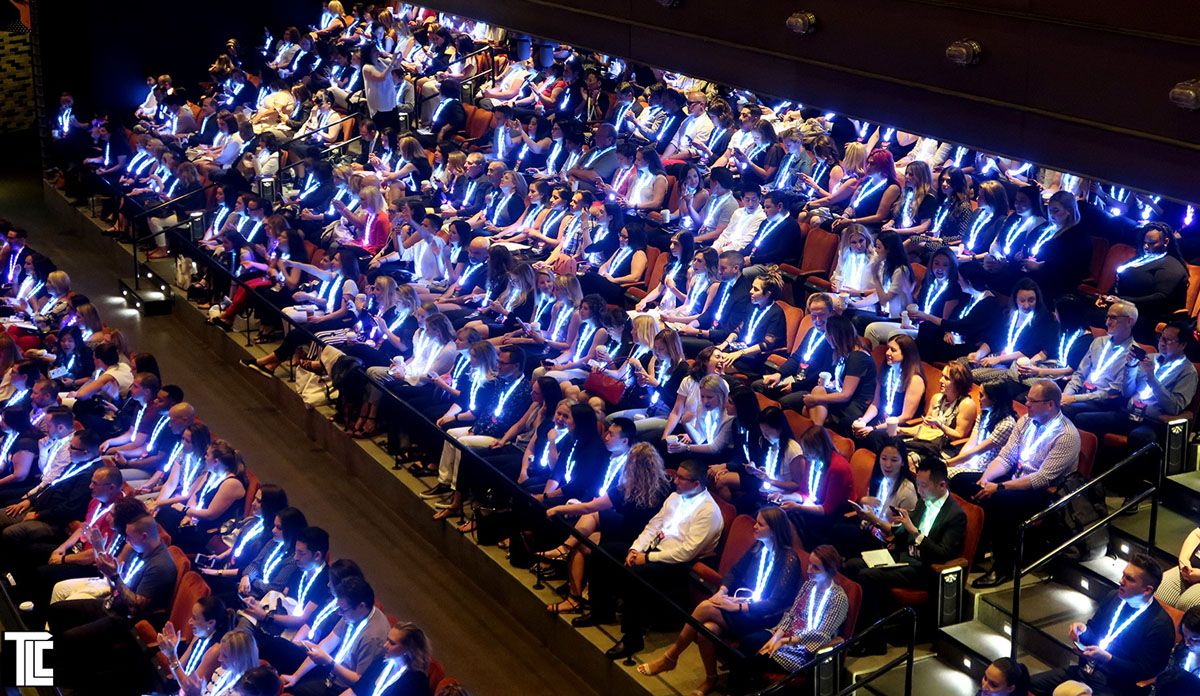
Custom LED wristbands and LED Lanyards, like those deployed at the Formula One 75th anniversary event, transcend their function as a piece of technology. They become branded artifacts, tangible reminders of the shared excitement and belonging felt during the event. Long after the batteries have faded, the object itself continues to evoke the emotions of the night. It's a key that unlocks the memory of being part of the swarm, of contributing a single point of light to a breathtaking whole. This is the ultimate goal of corporate event activations and large-scale productions alike: to move beyond fleeting entertainment and create a permanent, positive brand association etched in the memory of every attendee.
Ultimately, the psychology of audience engagement is a fascinating interplay of primal human needs and cutting-edge technology. By understanding the drive for belonging, the power of deindividuation, and the impact of sensory synchrony, we can design experiences that do more than just dazzle the eye. We can create profound moments of human connection that stay with us long after the final encore, powered by a simple, universal language: the language of light.