The Unseen Engine: Powering Live Events with a Culture of Perpetual R&D
The Unseen Engine: Powering Live Events with a Culture of Perpetual R&D
In the world of live events, the spectacle is what captures the imagination. The crescendo of a final chorus, the roar of a stadium, the collective gasp of a perfectly timed reveal—these are the moments that define an experience. But behind every one of these unforgettable moments is an unseen engine: a relentless, often obsessive, culture of research and development. This is the world of the perpetual prototype, where today’s brilliant execution is already tomorrow’s baseline, and the question is always, “What’s next?”
For technology brands operating in the live-production space, innovation isn’t a department; it’s a foundational mindset. The products that light up stadiums and connect global audiences are not born in a vacuum. They are the result of countless hours of experimentation, failure, and refinement, driven by a deep understanding of the creative and logistical pressures that producers, designers, and artists face every single day.
From a Flash of Inspiration to a Global Platform
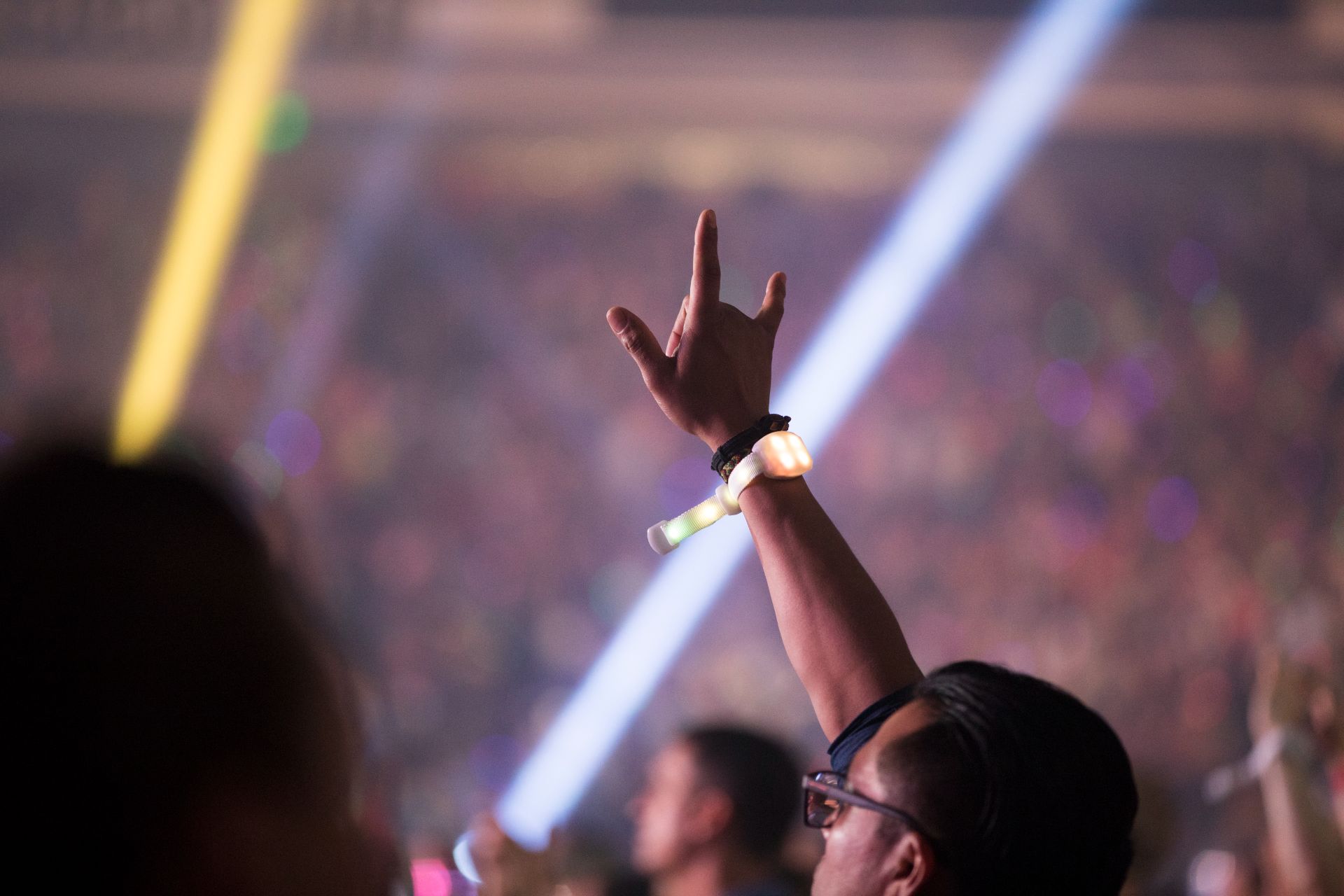
The story of Xylobands itself is a testament to this principle. It began not in a lab, but in a field at Glastonbury Festival, with a single idea: what if the audience could become part of the light show? That spark of inspiration during a Coldplay performance led to the invention of the world’s first radio-controlled LED wristbands, debuting on the Mylo Xyloto tour. The Coldplay Xylobands phenomenon was born.
However, that initial invention was never the finish line. It was the starting pistol for a marathon of continuous improvement. The first-generation Xyloband proved a concept, but it immediately opened a Pandora's box of new questions. How could we make them brighter? More reliable over greater distances? How could we give designers more granular control? Could they be made more sustainable? This is the core of an R&D culture: the first success is not a conclusion, but an invitation to explore a dozen new possibilities.
The Lab as a Response to the Field
True innovation in event technology is a feedback loop between the controlled environment of the lab and the chaotic reality of a live show. You can simulate RF performance in a workshop, but nothing stress-tests your hardware like the dense, unpredictable environment of a sold-out stadium, with tens of thousands of signals competing for airtime.
This is where deep, collaborative partnerships with clients become invaluable. When working on global broadcasts for brands like ITV, or massive arena shows for artists like Wizkid and Maluma, the technical challenges are unique and demanding. These aren’t just orders for LED wristbands; they are complex design conversations.
"An R&D culture doesn’t just ask, ‘Can we build it?’ It asks, ‘What problem are you trying to solve?’ Sometimes the most elegant solution isn’t a new piece of hardware, but a smarter piece of software or a more efficient logistical workflow."
This dialogue fuels development. A tour manager’s concern about battery life on a multi-night run drives the development of more power-efficient chipsets. A lighting designer’s desire for more nuanced colour chases pushes our software team to expand the control parameters. The need for unique branding at a high-profile corporate event, like the Formula One 75th Anniversary celebration, leads to the creation of custom-molded LED Lanyards and Pendants. The field provides the problems; the lab is where we architect the solutions.
Iterating Towards Immersion
The goal is always greater immersion. The technology should disappear, leaving only the experience. This philosophy guides the evolution of our product ecosystem, from the original wristbands to newer form factors like LED Orbs and lanyards.
Consider the journey:
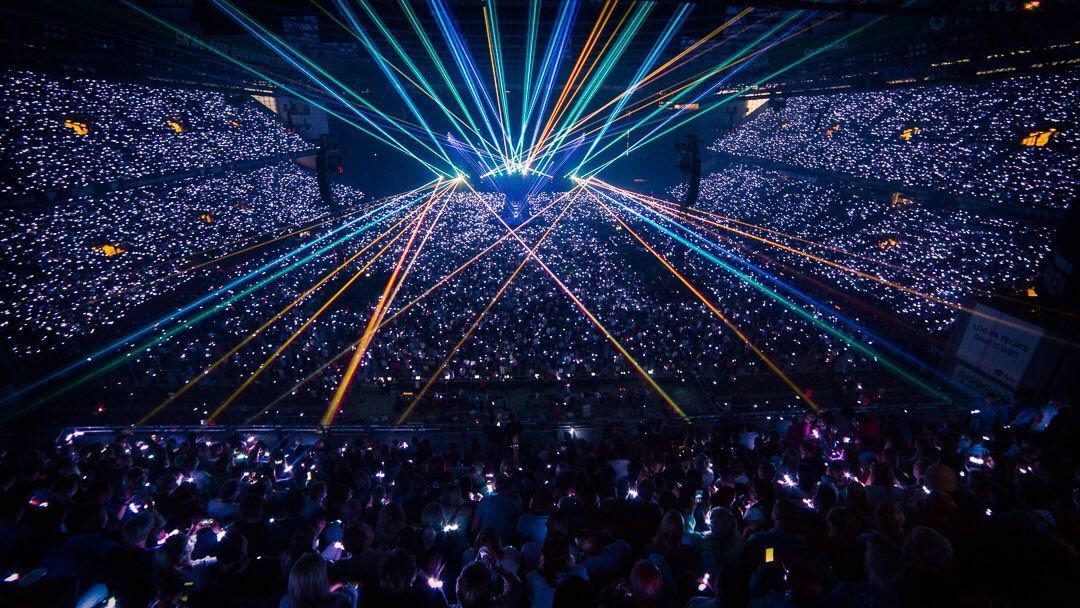
- Control and Synchronicity: Early systems offered simple, powerful control over the entire crowd. Our R&D focus shifted to zoning—the ability to create waves of light, complex patterns, and duelling colours across different sections of a venue. This transformed the crowd from a monolithic canvas into a dynamic, pixelated display, enabling more sophisticated storytelling for events like the Davis Cup opening ceremonies.
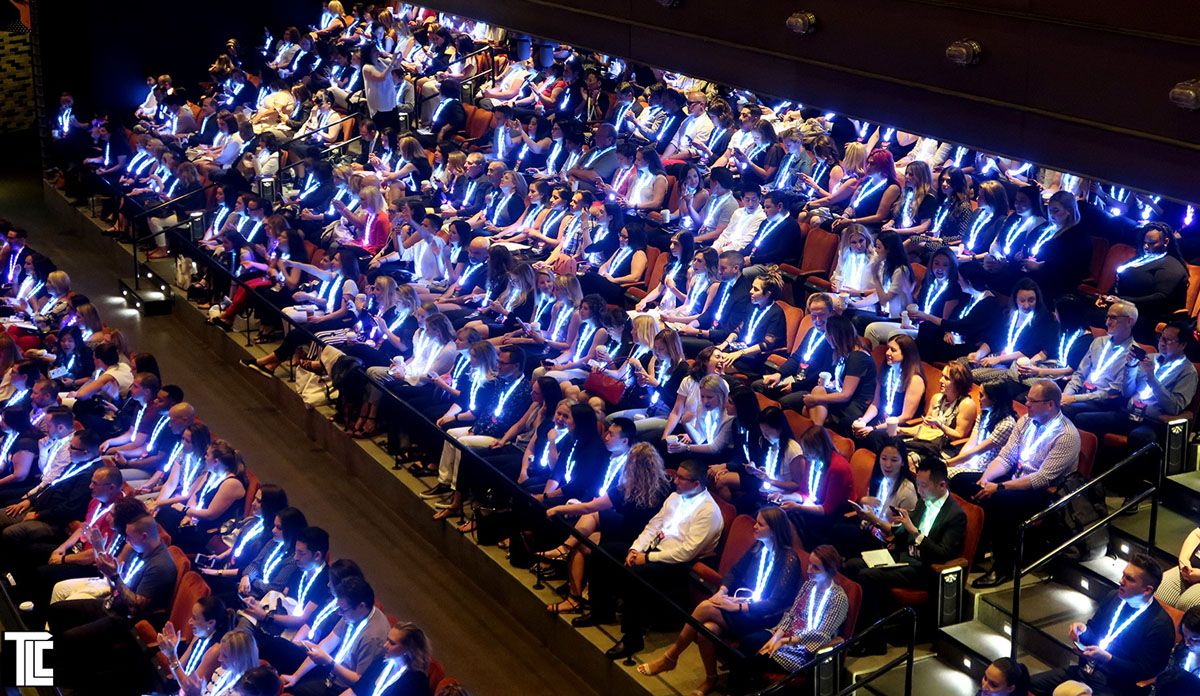
- Hardware and Form Factor: Not every event calls for a wristband. Our development process led to the creation of wearable LED technology in other forms. Pendants for corporate hospitality, reusable lanyards for conferences, and even glowing orbs for experiential activations. Each product is a solution to a different creative challenge.
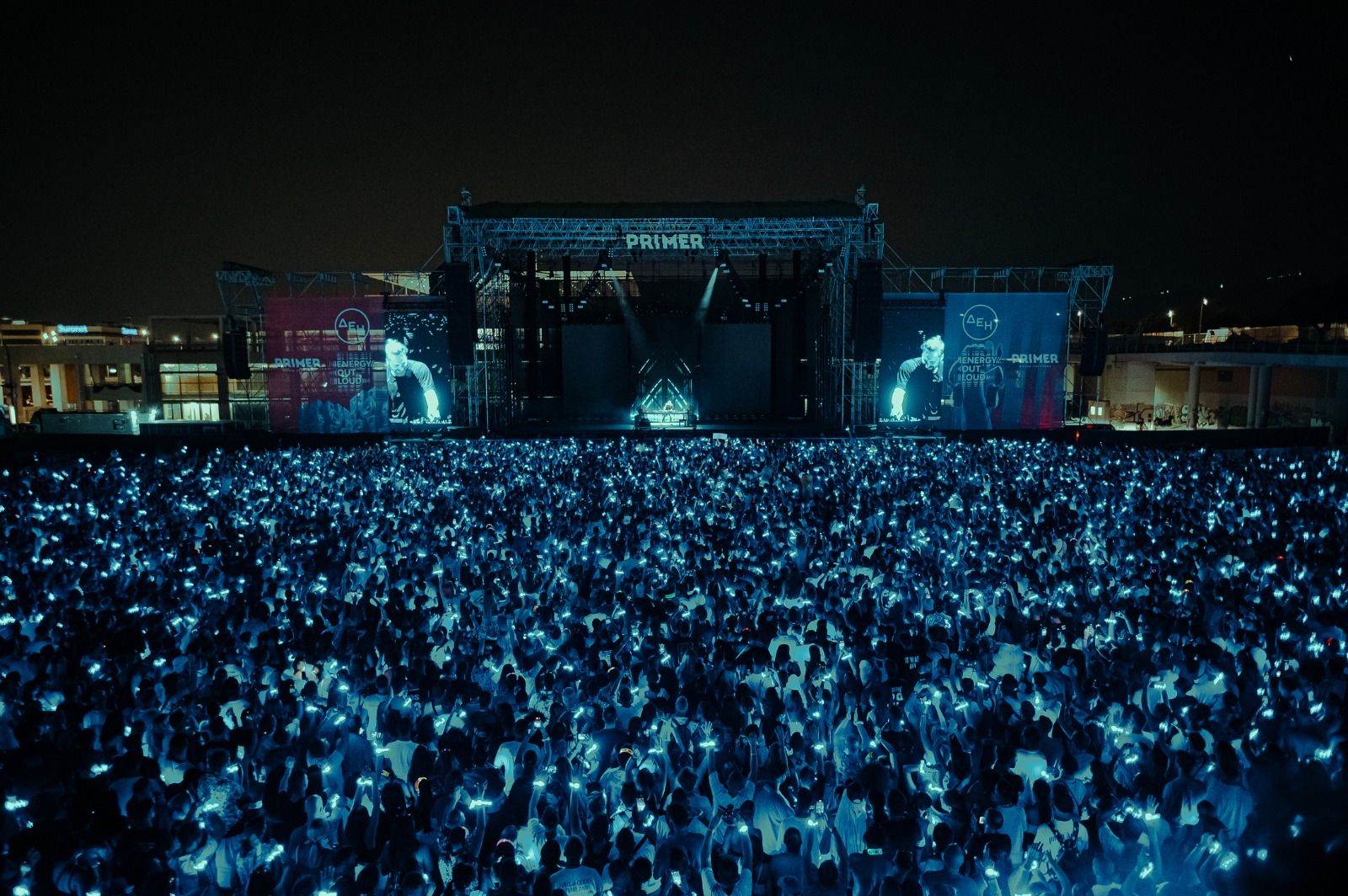
- Sustainability and Logistics: Innovation isn't just technical; it's also operational. A significant R&D focus has been on creating systems for responsibly collecting, refurbishing, and recycling our products. We pioneered processes to support multi-night runs, like those for Wizkid at The O2, and large-scale festival wristbands for events like Primer Music Festival, ensuring that a spectacular show doesn’t come at an environmental cost.
The Human Element of Innovation
Ultimately, a culture of perpetual R&D is about people. It’s about creating an environment where curiosity is rewarded and failure is treated as data. It requires a team that is part engineer, part artist, and part logistician—people who understand the physics of radio frequencies but also the psychology of a crowd and the emotional arc of a performance.
This unseen engine of R&D is what turns a simple lighting product into a platform for creating genuine human connection. It’s what powers the evolution from a passive audience to an active participant, and it ensures that the live events of tomorrow will be even more immersive, engaging, and unforgettable than they are today. The work is never done, because the perfect show is always the next one.