The Unity Principle: The Psychology of Shared Audience Experiences
The Unspoken Contract of the Crowd
Step into any arena, stadium, or festival field moments before the show begins, and you’ll feel it: a palpable current of anticipation. Thousands of individual stories, energies, and expectations converge into a single, collective consciousness. This is the foundational magic of live events. It’s not just about the artist on stage or the spectacle on the field; it’s about the unspoken agreement among strangers to share a singular experience. This phenomenon, a kind of temporary, powerful community, is the bedrock of every memorable large-scale event.
At its core, the psychology of audience engagement is about tapping into primal human needs: belonging, connection, and shared emotion. Event producers and creatives are, in essence, architects of feeling. They don’t just build stages and rig lights; they design emotional journeys. The goal is to dissolve the barriers between thousands of individuals and unite them into one cohesive, living entity. When done right, the audience ceases to be a passive observer and becomes an integral part of the performance itself.
From Individual to Collective: The Power of Synchronicity
One of the most powerful tools in achieving this state of unity is synchronicity. When thousands of people see, hear, and feel the same thing at the same moment, a profound psychological shift occurs. This is the principle that transforms a gathering into a collective.
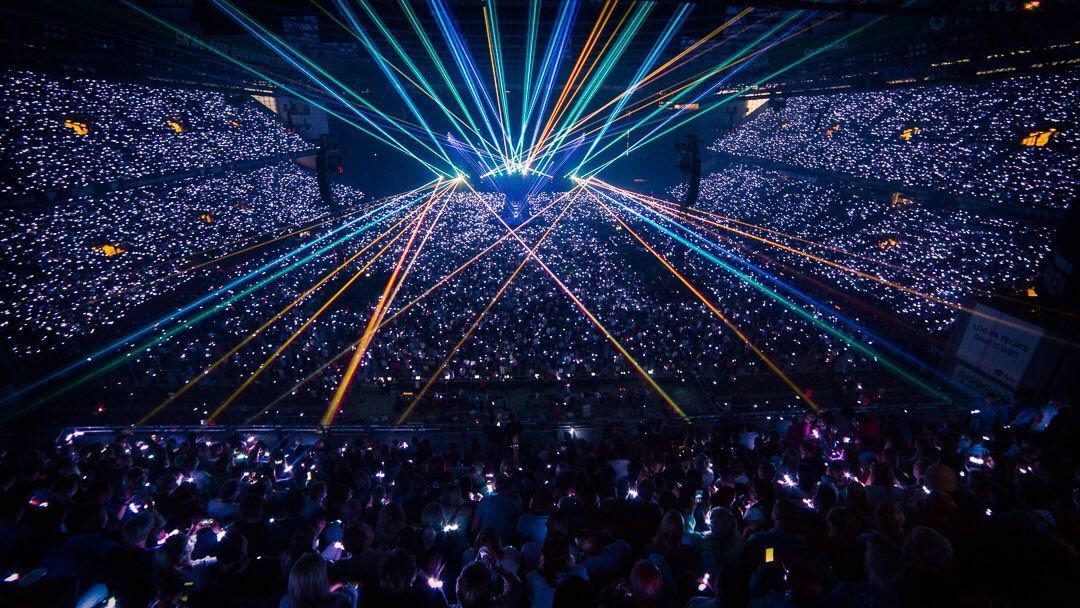
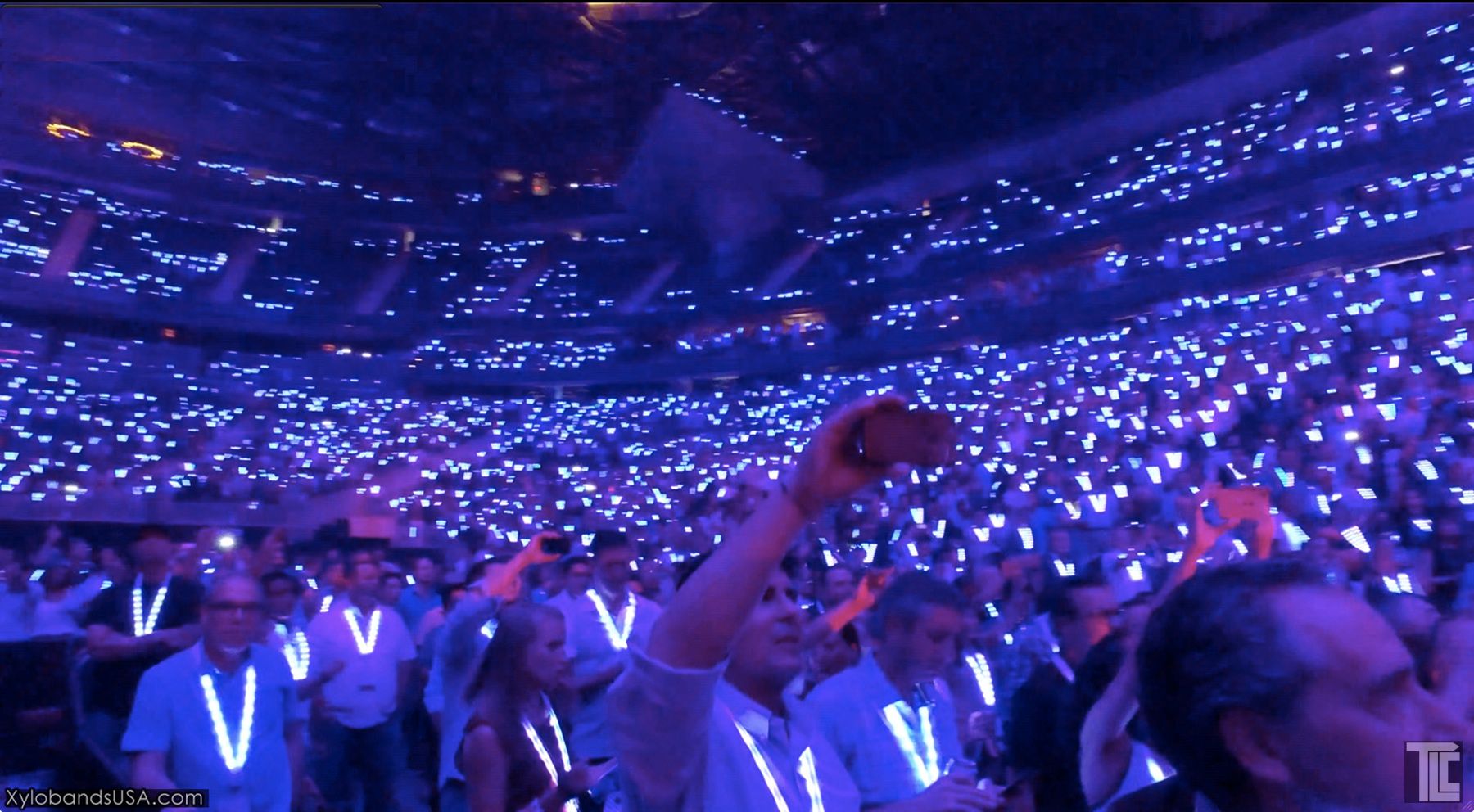
Think of a headlining set at a major music festival like Greece’s PRIMER Festival. As the beat drops, not only does the sound wash over the crowd, but the entire visual landscape can erupt in synchronised light. This is where Immersive Event Technology comes into play. When each person wears an LED wristband that pulses in time with the music, their individual presence is amplified. They are no longer just a face in the crowd; they are a pixel in a vast, moving canvas of light. This is a core tenet of the Xylobands philosophy: transforming the audience from spectators into essential components of the show’s visual DNA.
This shared experience is powerful. It triggers a neurological response, fostering a sense of what sociologists call “collective effervescence”—a perceived energy and emotional synchrony that arises from group rituals and gatherings. It’s the feeling of being part of something larger than oneself, a sensation that is increasingly rare and coveted in our fragmented digital world.
Orchestrating Emotion with Light and Colour
Light is a primal medium for storytelling and emotion. A sudden plunge into darkness builds tension. A slow, warm glow fosters intimacy. A rapid-fire strobe effect ignites energy. When you apply these principles not just to the stage but to the entire audience, the effect is magnified exponentially. This is the art of creating LED Crowd Experiences.
With modern Radio Controlled LED Wristbands, show designers can paint with the crowd itself. Imagine a stadium-wide effect for a major sporting event like the Davis Cup or the unveiling of new liveries at the Formula One 75th anniversary. One moment, the entire arena is bathed in the home team’s colours; the next, it’s a glittering, multi-coloured celebration of a winning point. This isn't just lighting; it's a non-verbal dialogue with every single person in attendance.
Key Psychological Drivers Engaged by LED Wristbands:
- Agency: While centrally controlled, the wristband is on the individual. It makes them a physical participant, giving them a role in the spectacle.
- Belonging: Seeing your light match thousands of others instantly validates your presence and inclusion in the group.
- Surprise and Delight: The unexpected nature of a sudden, venue-wide light effect triggers a rush of dopamine, creating a memorable emotional peak.
- Narrative Immersion: Light effects can underscore key moments—a goal, a chorus, a keynote speaker’s final point—deepening the audience's connection to the unfolding story.
The Bridge Between the Physical and the Digital
In an era defined by screens, live events offer a powerful antidote to digital isolation. Yet, the most forward-thinking experiences don’t shun technology; they integrate it to enhance the physical reality. Wearable LED Technology serves as a perfect bridge. It’s a physical object—a wristband, a lanyard, or even custom LED Orbs—that connects each person to a central, digitally controlled system.
This was powerfully demonstrated during Maluma’s historic Medellín concert, where a massive crowd was united in a shared visual experience, which was then broadcast to millions more. Similarly, when Wizkid sold out The O2 Arena for three consecutive nights, the pulsing Xylobands ensured that even those in the highest tiers felt intimately connected to the performance. It transforms a vast space into an intimate one.
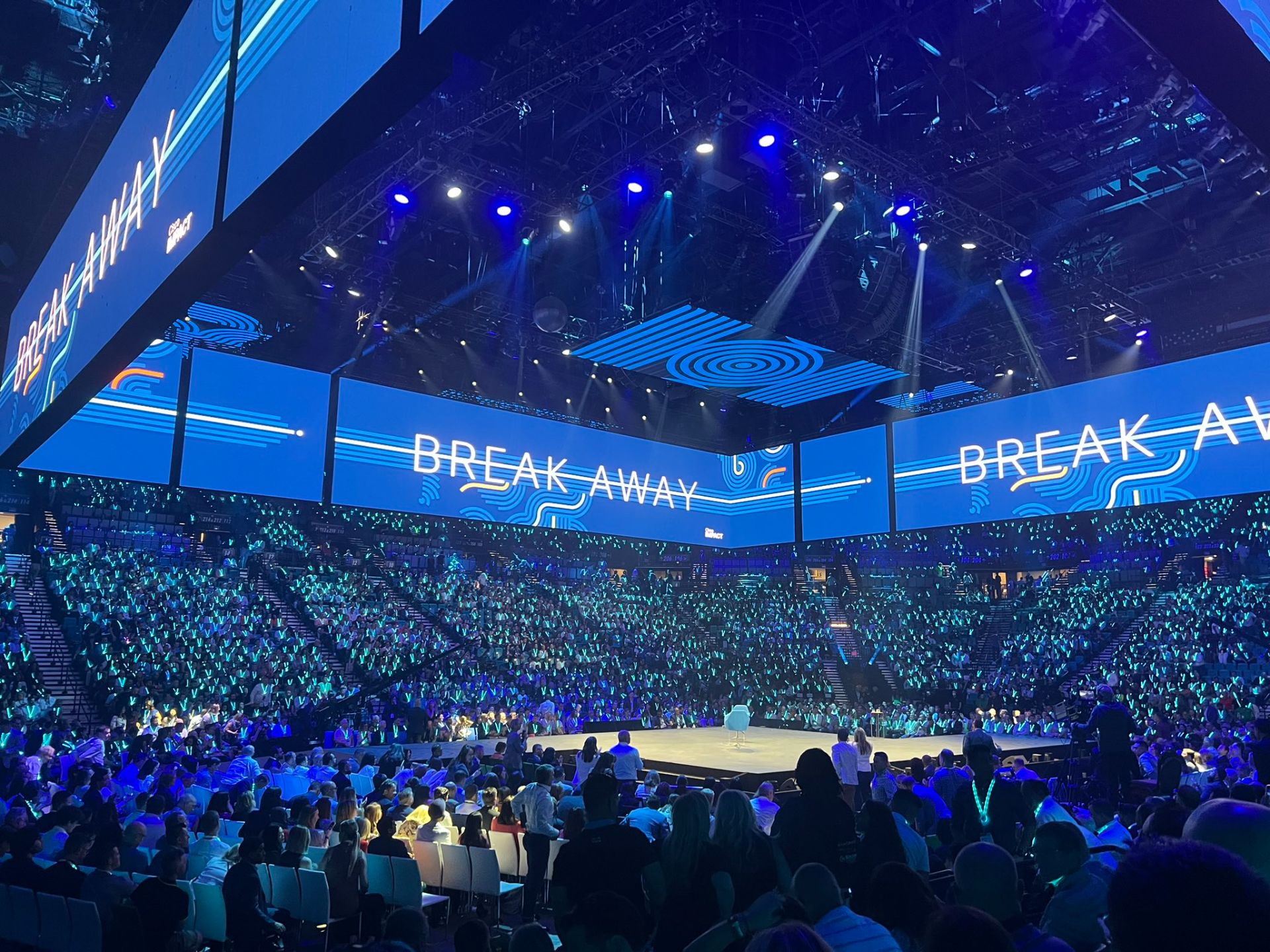
These LED Experiences are not about distracting from the main event. They are about focusing collective attention and amplifying shared emotions. For Corporate Event Activations, this is invaluable. A brand’s colours washing over a captive audience during a product reveal or a CEO’s keynote isn’t just branding; it’s a statement of unity and shared purpose. It’s a tool for turning a message into a memory.
Conclusion: The Architecture of Unity
The art of engaging a massive audience lies in understanding the subtle psychology of the crowd. It’s about recognizing the deep-seated human desire to connect and belong. The most successful event producers, tour managers, and brand marketers know that their job is not just to entertain but to unify. They are the architects of moments that allow thousands of people to feel like one.
By choreographing light, sound, and story, and by using Immersive Event Technology to make every individual a part of the spectacle, we can create experiences that resonate on a primal level. From the iconic Coldplay Xylo Band moments that started it all to the sophisticated activations at global sporting events, the goal remains the same: to dissolve the space between the stage and the seats, the artist and the audience, and to build a temporary, brilliant city of light where everyone is a vital part of the show.