The Unseen Foundation: A Founder’s Lessons in Building a Global Event-Tech Company
The Spark and the Scaffold: A Founder’s Lessons in Building a Global Event-Tech Company
Every company begins with a spark. For Xylobands, that spark ignited in a field in Somerset, during Coldplay's headline set at Glastonbury Festival. As the anthemic chorus of "Fix You" washed over the crowd, our founder, Jason Regler, had a vision: what if the audience itself could become a canvas of light, perfectly in sync with the performance? What if “lights will guide you home” was not just a lyric, but a shared, tangible experience?
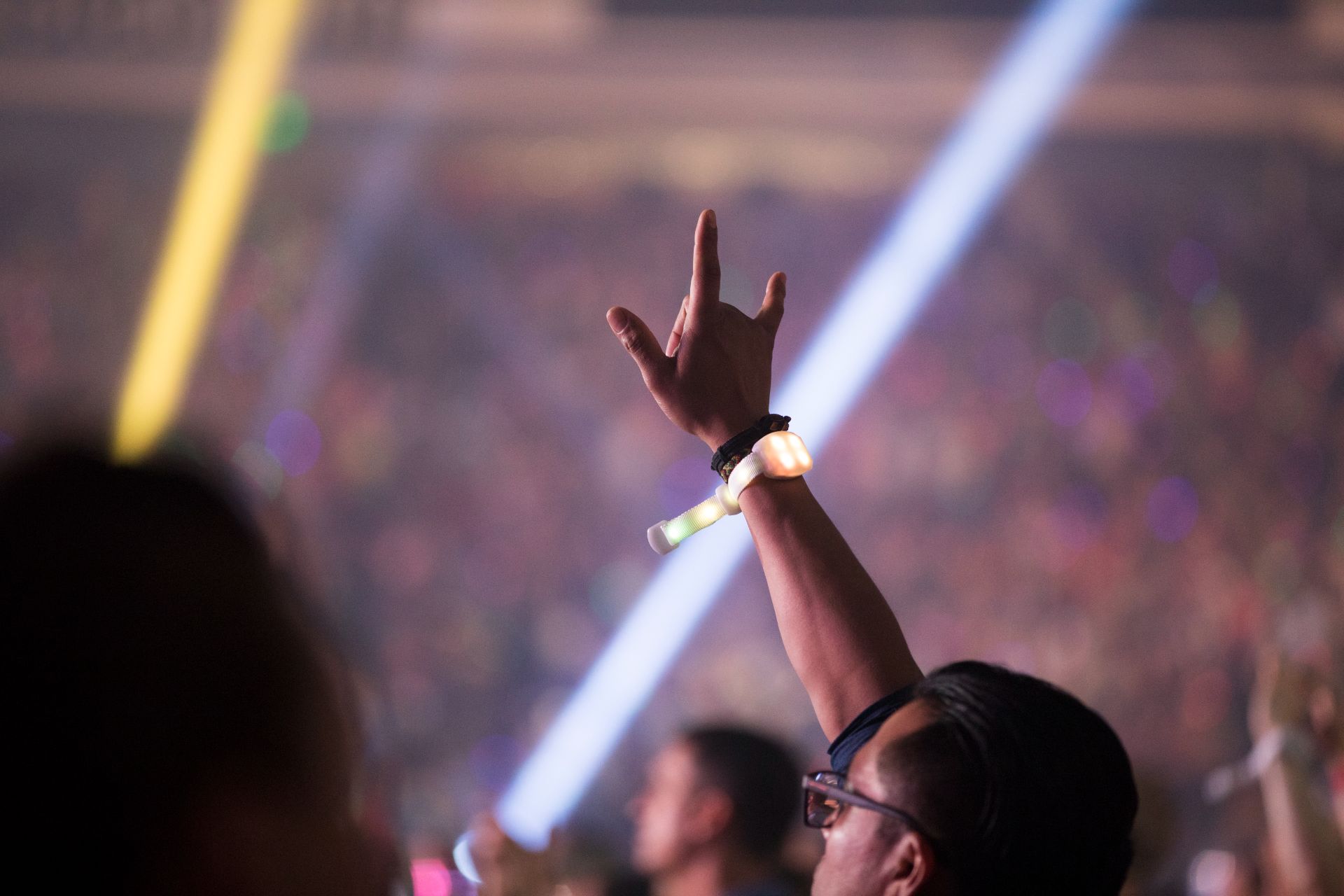
This was more than an idea for a product; it was the blueprint for a new kind of immersive event technology. It was the belief that technology could be a conduit for collective joy, transforming tens of thousands of individuals into a single, unified entity. That initial vision led to the creation of the world’s first radio-controlled LED wristbands, a journey that took us from a UK-based startup to a global company powering experiences in over 70 countries. The path has been anything but linear. It has been a decade-long masterclass in innovation, resilience, and the unique challenges of scaling a hardware and software business in the demanding world of live events. These are the foundational lessons from that journey.
Lesson 1: Protect the Spark, But Build a Scaffold
The initial idea—the “spark”—is pure, unburdened potential. It’s the raw, creative energy that drives you forward. Our spark was the vision of a crowd illuminated, a concept that resonated deeply with Coldplay and their team, leading to the groundbreaking Mylo Xyloto tour. That tour put Xylobands on the world stage, but an idea alone doesn’t build a company.
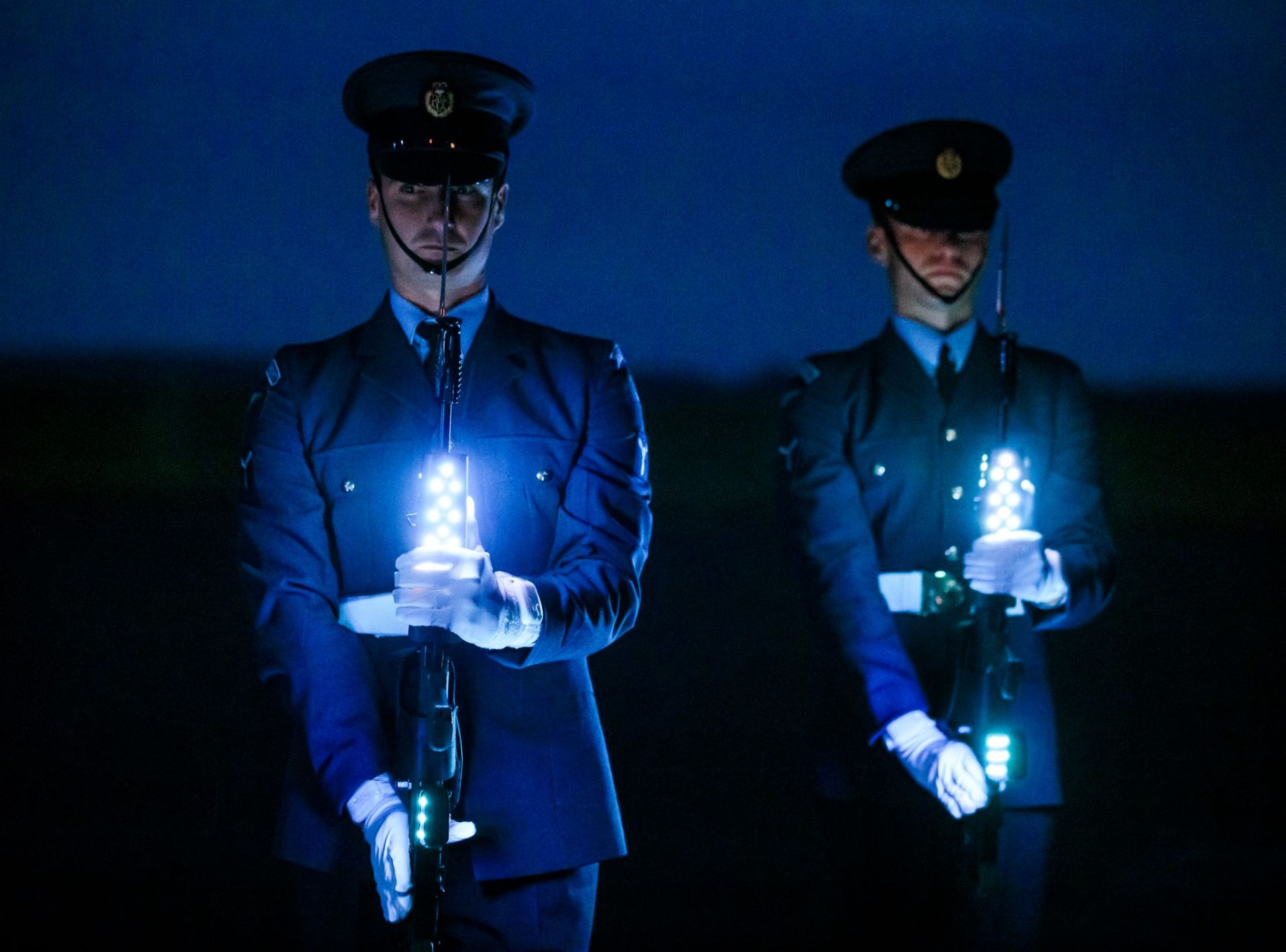
The real work is building the scaffold around the spark: the operational, technical, and logistical framework that allows the idea to grow and thrive. This means obsessing over the details. It means engineering for “zero-failure” in environments where there are no second chances, from the Super Bowl Halftime Show to a headline set at a major festival. It means mastering the unseen complexities of RF, DMX, and infrared control systems—the invisible architecture that powers our LED crowd experiences. The most brilliant creative vision is worthless without a robust, reliable, and scalable technical foundation to support it.
Lesson 2: Your Client’s Vision is the North Star
We didn’t invent LED wristbands in a vacuum. The technology was born from a desire to enhance an artist’s performance, to give them a new tool to connect with their audience. From our initial collaboration with Coldplay to working with global brands like Formula One and artists like Wizkid and Maluma, this principle has remained our north star. Our technology is not the star of the show; it’s a supporting character that helps the true star—the artist, the team, the brand—tell their story more powerfully.
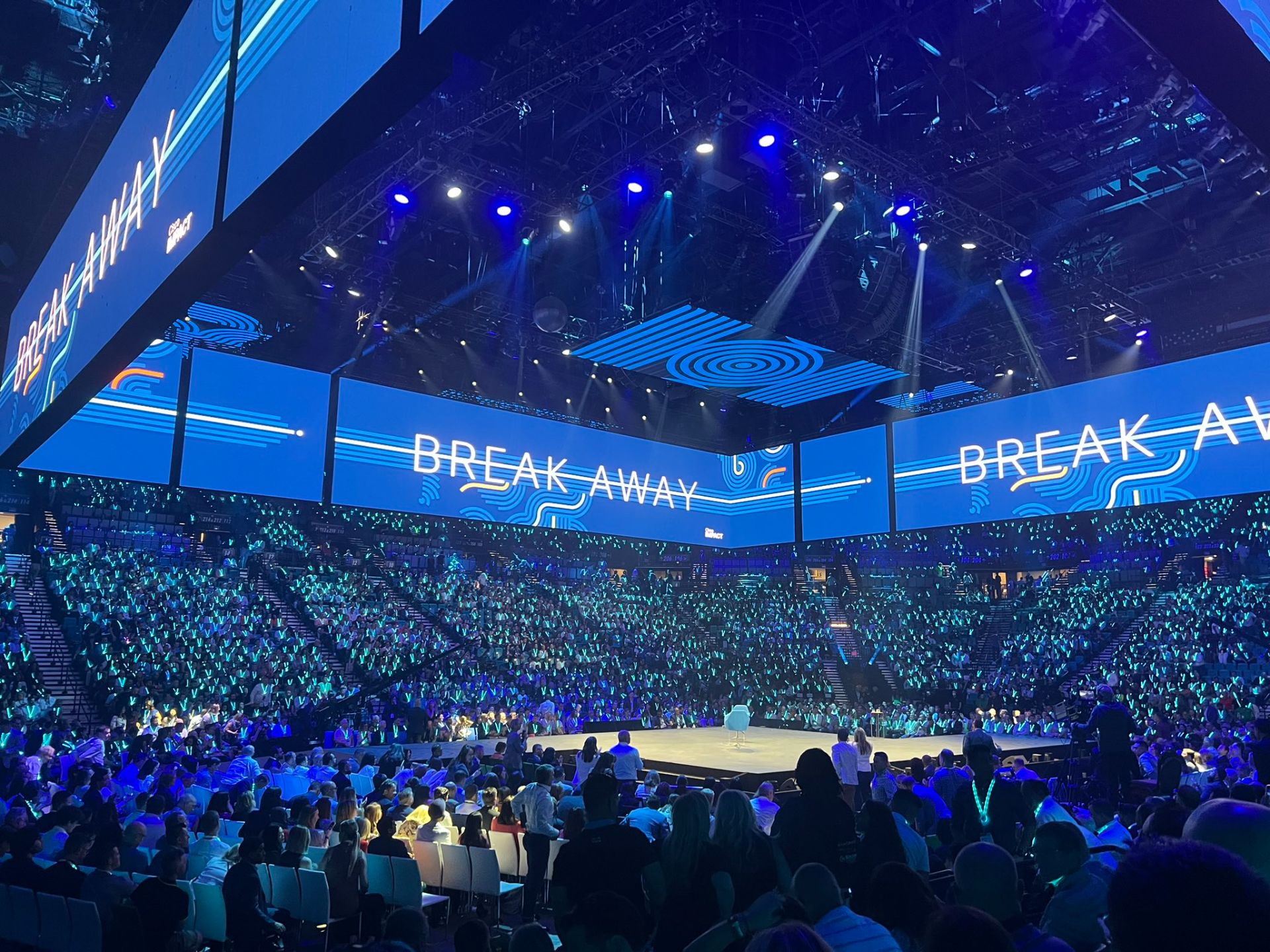
This requires a deep, collaborative partnership. For the Formula One 75th anniversary event, it meant creating custom-branded LED lanyards that not only lit up The O2 Arena but also helped segment the audience for targeted lighting effects. For Wizkid’s historic, sold-out run in London, it meant debuting a new product and managing a reuse-and-recycle program across three nights. True innovation isn't about pushing your own technology; it's about listening to your client’s needs and adapting your technology to meet their creative vision. It’s a process of co-creation, where trust and communication are the most valuable currencies.
Lesson 3: Scale Demands a Global Mindset and Local Expertise
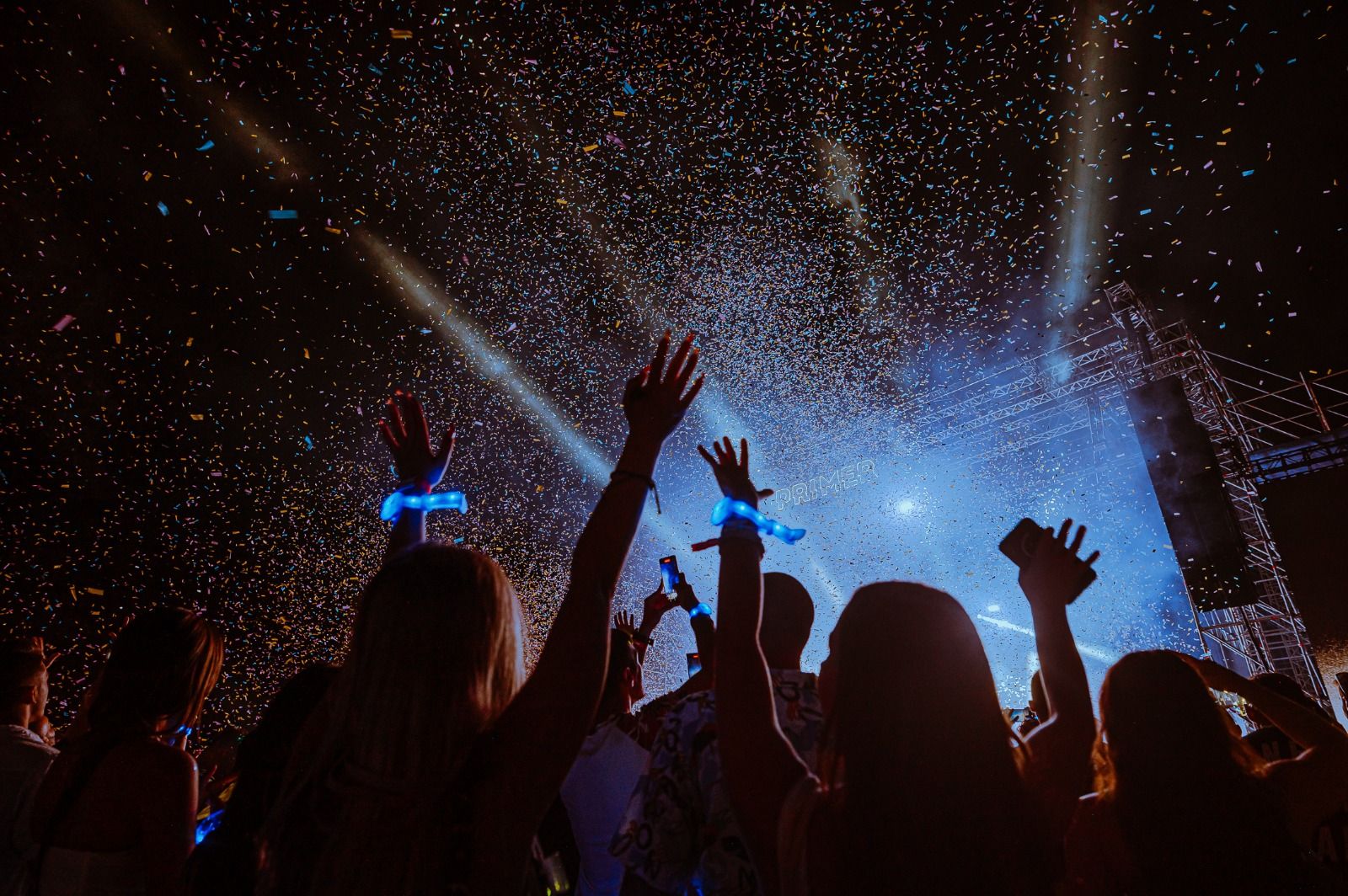
Taking a product from a single tour to a global standard requires a fundamental shift in thinking. The logistics of delivering flawless corporate event activations in Dubai are vastly different from those of powering festival wristbands at a multi-day event like Greece’s PRIMER Music Festival. You cannot simply ship boxes and hope for the best. You need a global network and deep local expertise.
Building this global operational muscle has been one of our greatest challenges and proudest achievements. It involves navigating complex international shipping, managing technical teams across different time zones and cultures, and understanding the specific venue and labor regulations in dozens of countries. Scaling a hardware-based business isn’t just about manufacturing more units; it’s about building a resilient, adaptable, and global logistical and technical machine. It’s the unseen, unglamorous work that makes the spectacular moments possible.
Lesson 4: Innovation is a Loop, Not a Line
The first Xyloband was revolutionary, but in the world of event technology, you are only as good as your last show. Complacency is the enemy of growth. Innovation cannot be a linear process with a beginning and an end; it must be a continuous loop of feedback, iteration, and improvement.
Our work with broadcasters like ITV on shows such as 'Beat The Chasers' constantly informs our understanding of how light interacts with broadcast cameras, a crucial element for the millions watching at home. Every tour, every festival, and every corporate event is a real-world R&D lab. The challenges we solve—whether it's extending battery life, increasing signal range in a crowded stadium, or developing more sustainable products—feed directly back into our product development. This philosophy of constant, iterative improvement is what allows us to keep pushing the boundaries of wearable LED technology, developing new products like LED orbs and refining the software that controls them all.
Building a company is a marathon of a thousand small steps, punctuated by a few giant leaps. It’s about holding onto that initial, impossible vision while having the discipline to build the scaffolding, piece by piece.
More than a decade after that night at Glastonbury, the landscape of live events has been transformed. Immersive events are no longer a niche; they are the expectation. Audiences crave connection and participation. From the Coldplay Xylo Band moment that started it all to the countless concerts, sporting events, and brand activations we’ve powered since, the mission remains the same: to use technology not as a barrier, but as a bridge. A bridge between the artist and the audience, and between every individual fan who, for a few hours, becomes part of something bigger, brighter, and more connected. The foundation of our company is not just the technology we build, but the human experiences we help create.