The Unseen Data Stream: Enhancing Crowd Safety and Flow with Immersive Event Technology
The Anatomy of a Crowd
A live audience is more than a collection of individuals; it’s a living, breathing organism. It ebbs and flows, responds to stimuli, and generates a powerful collective energy. For event producers, tour managers, and safety officers, understanding the dynamics of this organism is paramount. Traditionally, crowd management has relied on a combination of physical infrastructure (barriers, designated egress routes), security personnel, and overhead surveillance. These methods are essential, but they offer a limited, often reactive, view of the intricate patterns unfolding within the crowd itself.
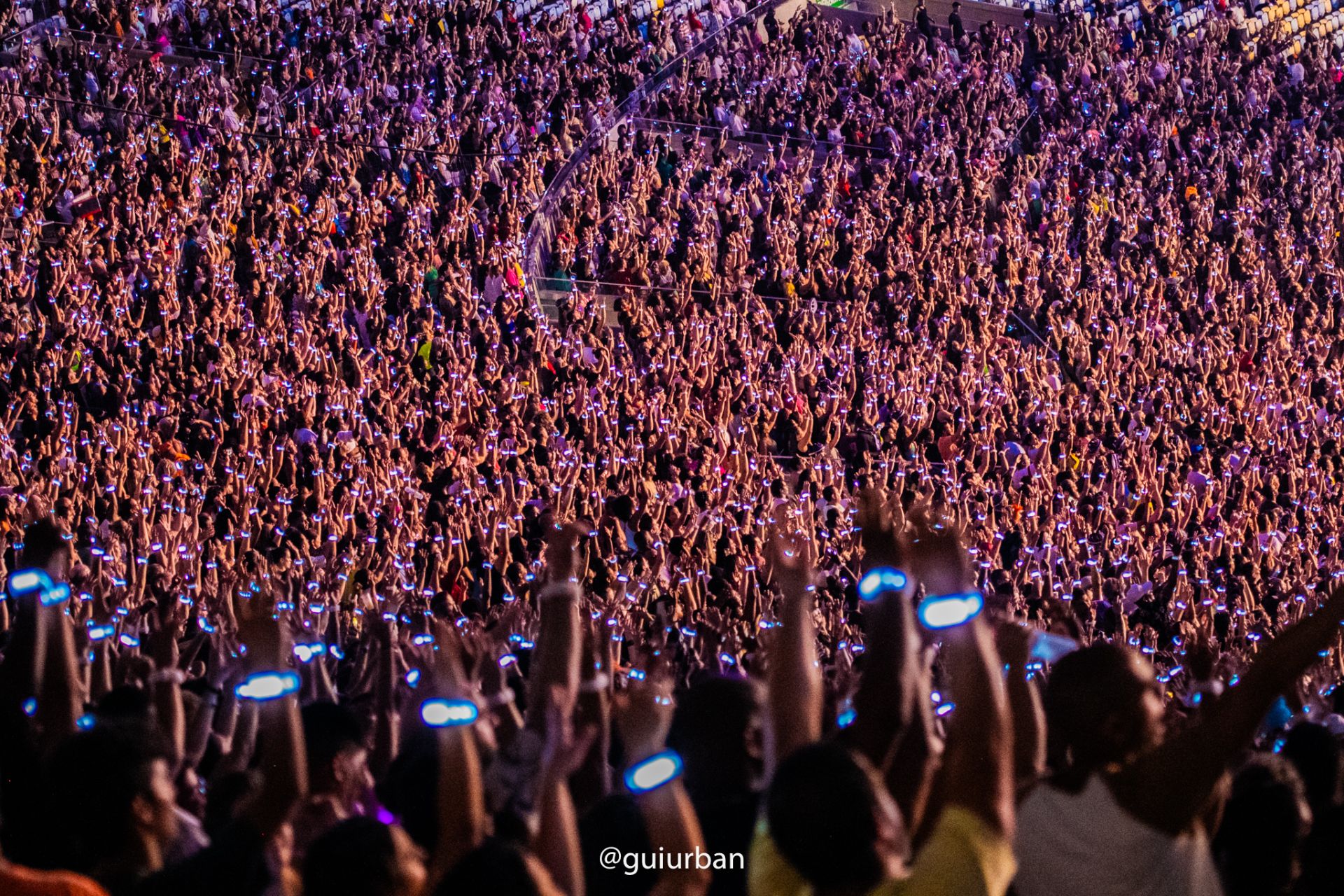
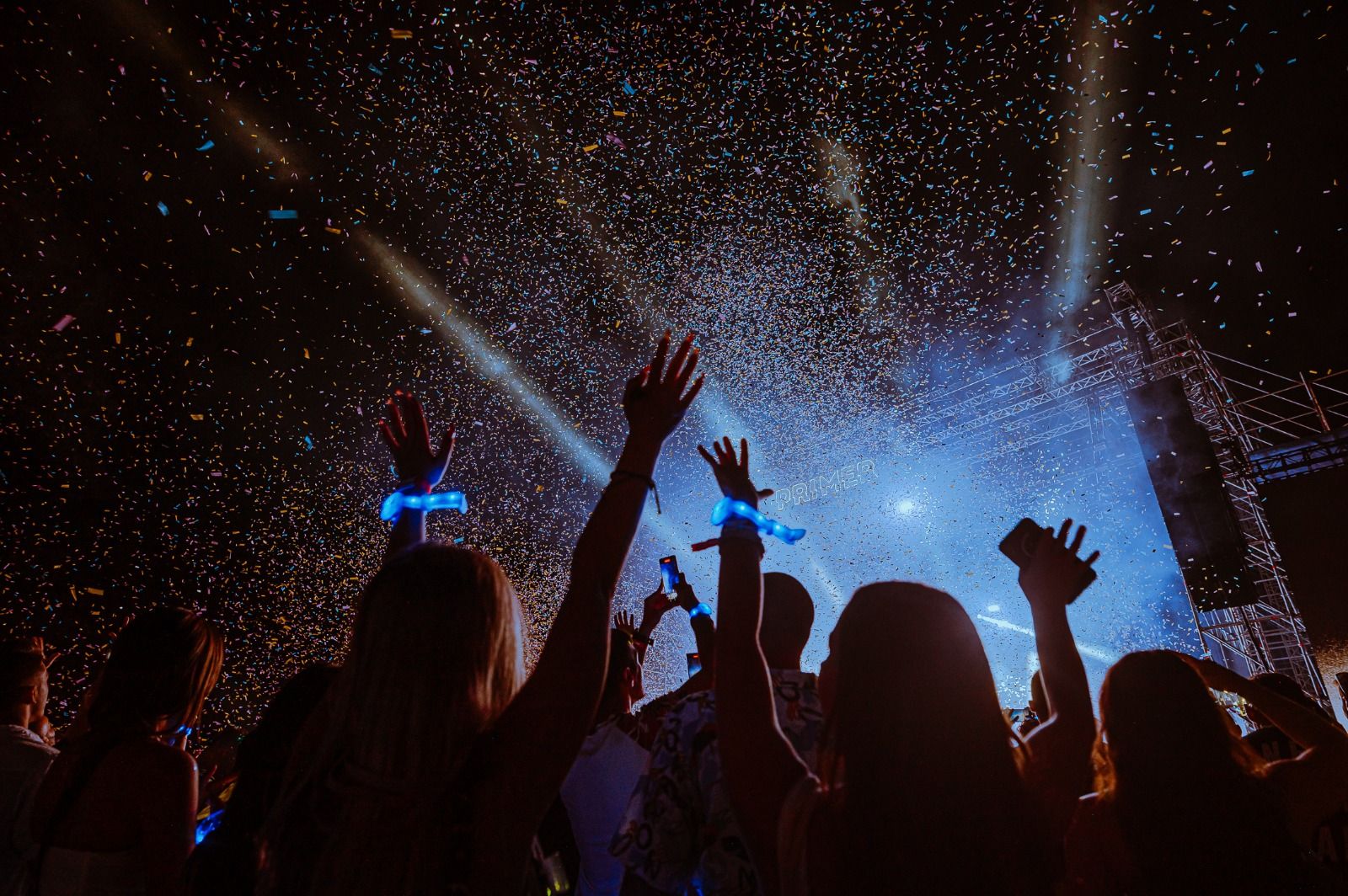
Managing the flow of tens of thousands of people—as seen at major music festivals like PRIMER in Greece or in the packed stands of a Formula One race—is a monumental task. The primary challenge lies in maintaining safety and optimising experience simultaneously. Overcrowding in specific zones, bottlenecks at entry or exit points, and medical emergencies are critical concerns where response time is everything. How can we move from a reactive to a proactive model of crowd management? The answer may lie in a technology already transforming the audience experience: wearable LED technology.
From Immersion to Information
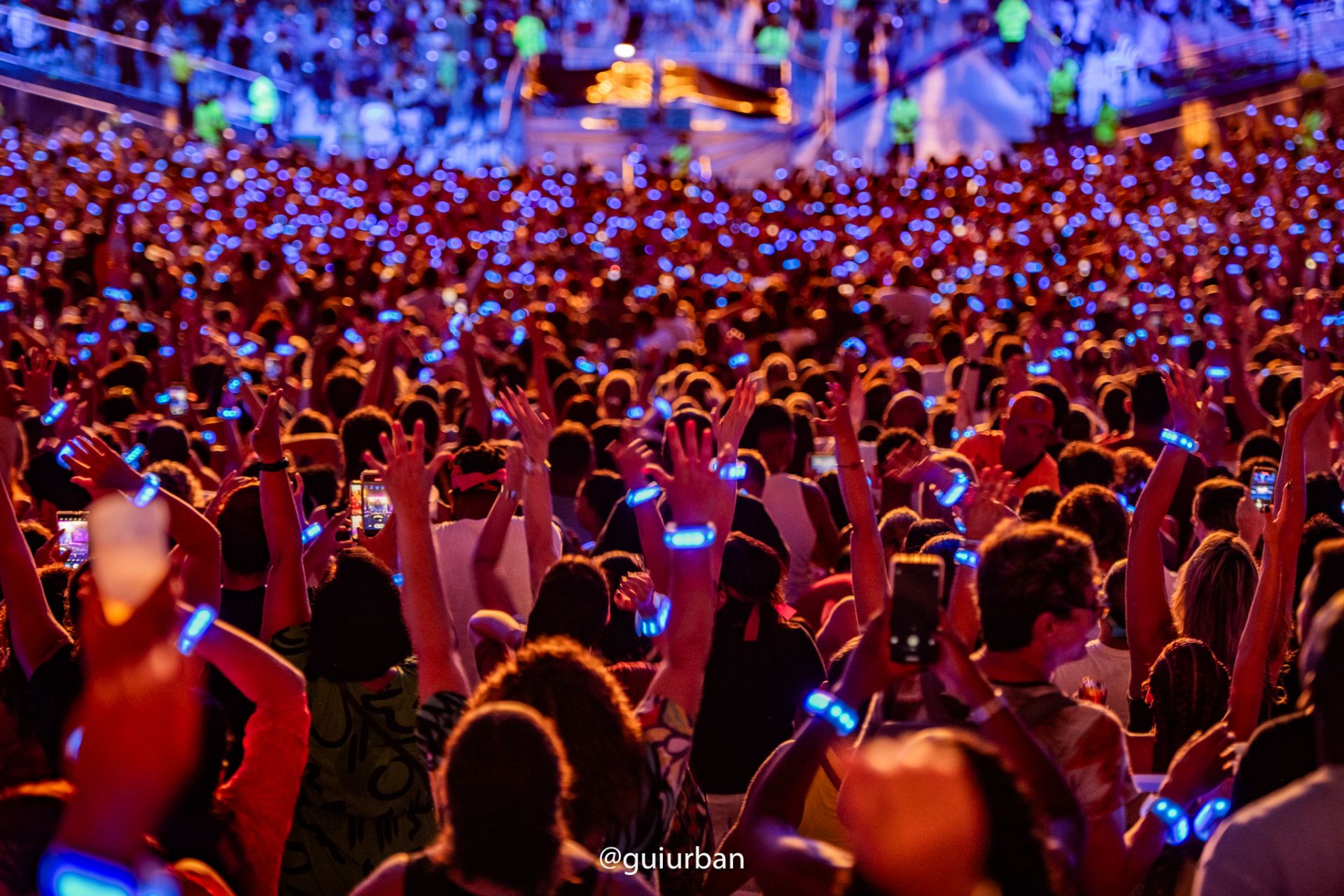
At Xylobands, we pioneered the use of radio-controlled LED wristbands to turn audiences into a canvas of light, creating stunning moments of unity and immersion. The Coldplay Xylo Band phenomenon demonstrated how technology could deepen the emotional connection between an artist and their fans. But what if these same devices could do more? What if the network that controls the light show could also serve as a source of invaluable, anonymised data for crowd analytics?
Each LED wristband or LED lanyard acts as a node in a dynamic, event-wide network. Our proprietary RF systems are designed for robust, zero-failure operations, capable of transmitting signals across vast stadiums and festival fields. While the primary function is to choreograph light, the underlying system architecture holds the potential to gather spatial data. By understanding the density and movement of these nodes, event organizers can gain a real-time, high-fidelity map of the crowd without compromising individual privacy.
Key Applications in Crowd Analytics:
- Real-Time Density Mapping: Identify potential overcrowding situations before they become critical. Visualising crowd density on a digital map allows security and logistics teams to deploy resources proactively, open up new exit routes, or guide attendees toward less congested areas.
- Flow Analysis: Track the movement of people between different stages, vendor areas, and facilities. This data is invaluable for optimising site layout in future events, improving signage, and reducing wait times.
- Emergency Response: In a medical or security incident, the ability to instantly locate the affected area is crucial. By flashing a specific colour or pattern on the wristbands in a designated zone, attendees can signal for help, and first responders can be guided directly to the location with unparalleled speed and accuracy.
A New Dimension of Safety and Experience
Consider a massive, multi-stage event like the PRIMER Music Festival. Thousands of fans move between acts, creating complex traffic patterns. With an intelligent wearable system, operators could see a bottleneck forming near a specific stage entrance. They could then trigger a gentle, colour-coded pulse on the festival wristbands of people in a less-crowded adjacent zone, subtly guiding them toward an alternative path or attraction, easing congestion before it becomes a safety risk.
This isn't just about preventing negative outcomes; it's about actively enhancing the attendee experience. Data on dwell times can show which corporate event activations are most engaging or which food vendors are most popular, providing event marketers with powerful ROI metrics. At a sporting event like the Davis Cup, understanding how and when fans leave their seats can inform the timing of halftime shows or concession promotions, creating a smoother, more enjoyable experience for everyone.
The goal is not to track individuals, but to understand the collective pulse of the event. It’s about transforming the crowd from a passive entity into an active, data-rich participant in its own safety and enjoyment.
The Ethical Framework: Privacy by Design
The conversation around data and analytics rightly brings up questions of privacy. It is critical to emphasize that this model is built on a foundation of anonymization. The system does not need to know *who* anyone is, only *where* a device is within the event space. The data is aggregated and anonymised, providing a macroscopic view of crowd behaviour, not a microscopic view of individual actions. This ethical, privacy-first approach is fundamental to building trust with audiences.
The future of live events will be defined by the seamless integration of technology that enhances both the spectacle and the operational intelligence behind it. Immersive event technology, which has already revolutionized the sensory experience of concerts and festivals, is poised to deliver a second, equally profound revolution in safety and analytics. By harnessing the unseen data stream flowing through every light-up wristband, we can create smarter, safer, and more spectacular live experiences for millions around the world. The light show is no longer just a show—it’s a vital part of the event’s central nervous system.