The Human Algorithm: Decoding the Psychology of Audience Engagement
The Unseen Algorithm: Deconstructing the Psychology of Collective Effervescence
It’s a phenomenon every event producer has witnessed but few can fully explain. A quarter-second of darkness, a perfectly timed bass drop, a sudden, shared gasp of light—and a crowd of 50,000 individuals transforms into a single, unified entity. It’s a moment of pure alchemy, where the boundaries of the self seem to dissolve into a powerful, collective consciousness. This isn’t just good showmanship; it’s a deep activation of our core social psychology, a state sociologists call “collective effervescence.”
First coined by Émile Durkheim, the term describes the perceived energy and harmony that arises when a group of people comes together to participate in the same action. It’s the feeling of belonging, of being part of something larger than oneself. In the context of a live event, it’s the holy grail of audience engagement. But how is it engineered? And what role does technology play in catalysing this deeply human experience?
The Neuroscience of Unity: Mirror Neurons and Synchronised States
At a neurological level, our brains are wired for connection. A key component of this is the mirror neuron system. When we see someone perform an action—like raising their hands, dancing, or reacting in awe to a visual cue—our mirror neurons fire in the same patterns as if we were performing the action ourselves. In a crowd setting, this creates a powerful feedback loop. One person’s visible excitement can trigger a cascade of similar emotional responses in those around them, amplifying the feeling across thousands.
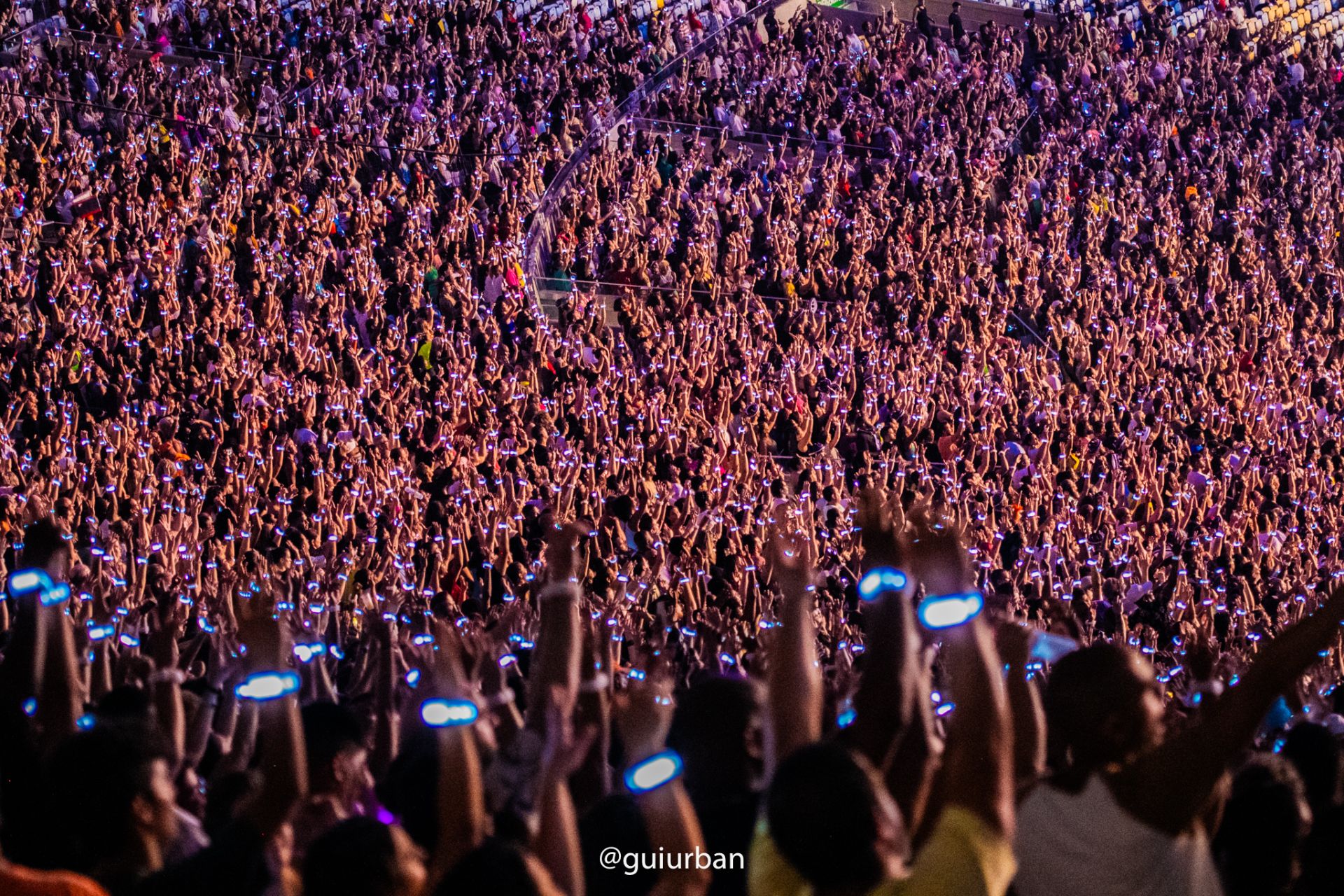
This is where synchronisation becomes a powerful tool. When an entire audience is unified by a single, simultaneous sensory experience, their brainwaves can begin to synchronise. A sudden flash of light, a unified colour change across thousands of LED wristbands, or a beat that everyone can feel—these are not just aesthetic choices. They are commands that align the neural activity of the crowd. This shared rhythm breaks down social barriers and fosters a powerful sense of unity and shared identity.
“When we synchronise our bodies to a rhythm, our brains synchronise, too. We’re not just watching the show; we’re neurologically becoming part of it.”
Identity, Anonymity, and the Power of the Group
Large-scale events create a unique psychological space. The sheer size of the crowd offers a degree of anonymity, which can lower individual inhibitions. When you’re one face among tens of thousands, the fear of judgment subsides, making you more likely to dance, sing, and express yourself freely. This is the positive side of deindividuation—the temporary loss of self-awareness in a group.
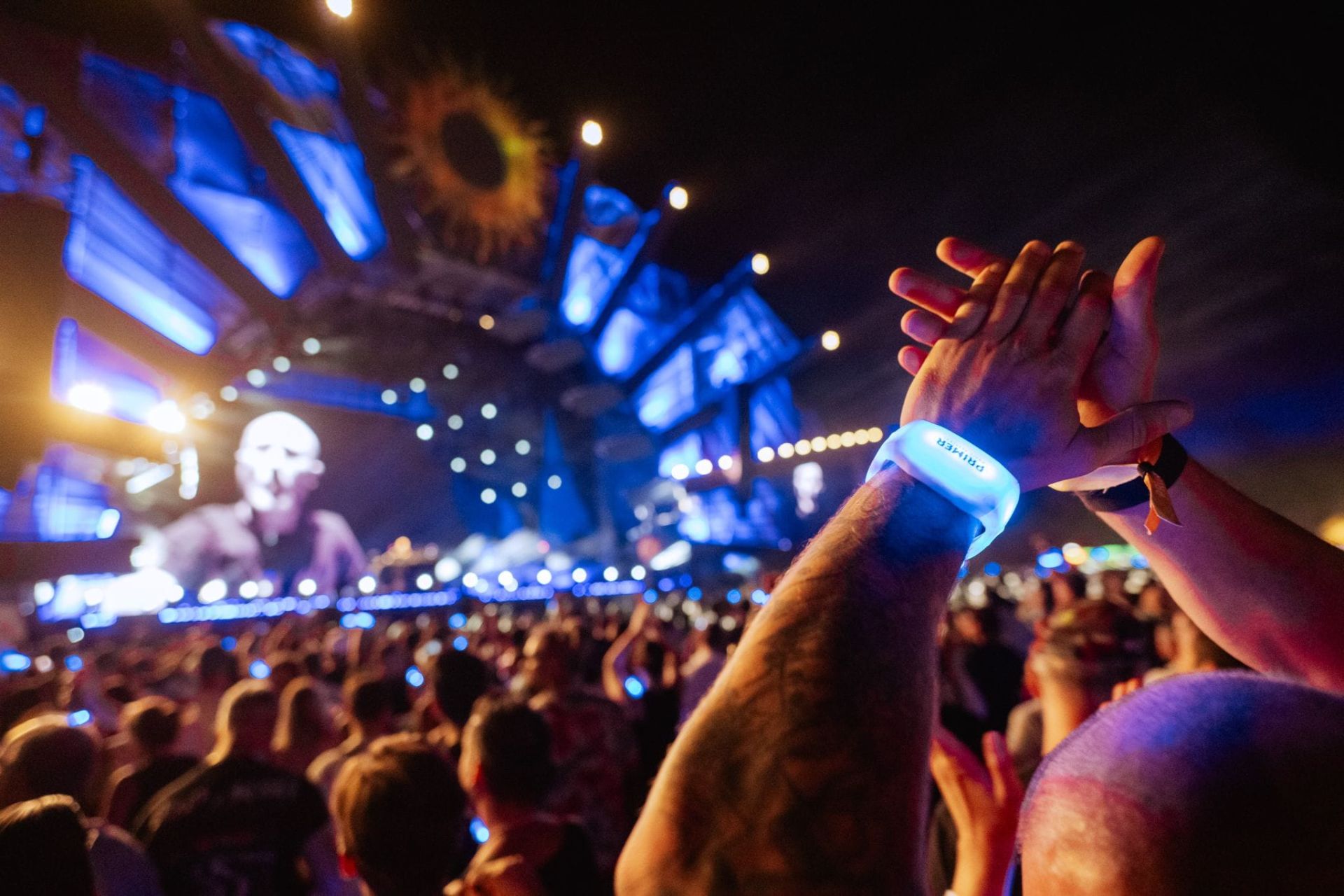
Technology can enhance this state by assigning a new, temporary group identity. Imagine a stadium divided by light. One section glows red, another blue, turning a sports match into a visceral battle of colours. Or consider a corporate event where attendees are wearing custom LED wristbands that light up in company colours during a keynote. This visual designation forges an instant sense of belonging and shared purpose. It’s a principle we’ve seen in action at major brand events for Formula One and corporate gatherings for Primer, where LED experiences transform passive attendees into active, unified participants. It’s no longer just a crowd; it’s a team, a tribe, a movement.
Choreographing Emotion: The Role of Immersive Event Technology
The most memorable events are not a random collection of moments; they are a carefully constructed emotional journey. Event producers are, in effect, choreographers of feeling, using tools like light, sound, and narrative to guide the audience through a range of states—from anticipation and tension to explosive joy and quiet introspection.
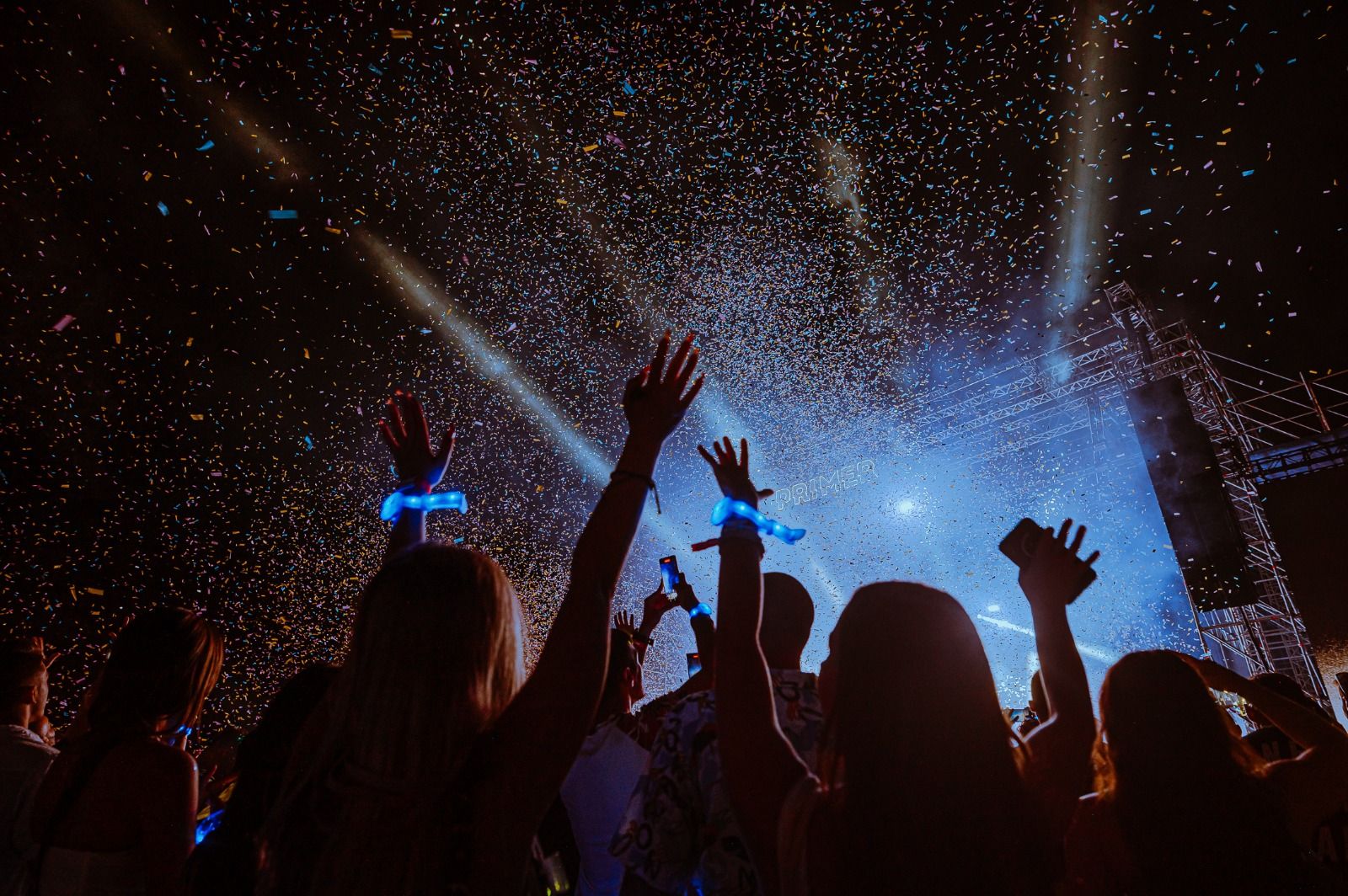
Immersive event technology gives producers an unprecedented palette for this choreography. With radio controlled LED wristbands, a lighting designer can paint the crowd as if it were a single, living canvas. They can create waves of light that ripple across a stadium to build energy, plunge the entire audience into a moment of shared darkness to create suspense, or pulse every wristband in sync with a heartbeat to foster intimacy.
We saw this power firsthand during Maluma’s historic Medellín concert, where a massive crowd became part of the spectacle, their light connecting them to the artist and each other. Similarly, at music festivals like Glastonbury, the idea that inspired Xylobands in the first place, light turns the audience from spectators into essential performers. These LED crowd experiences are a powerful psychological tool. They provide a tangible, visible representation of the crowd’s collective energy, making the feeling of unity not just an internal sensation but an external reality.
Key Psychological Drivers Amplified by Light:
- Anticipation: Slow, pulsing lights or moments of complete darkness build suspense.
- Surprise: Sudden, unexpected flashes or colour changes trigger a dopamine response, creating a memorable peak moment.
- Unity: Synchronising every light source to a single colour or rhythm reinforces a sense of collective identity.
- Exclusivity: Unique lighting patterns or effects for specific sections can create a feeling of special status or friendly competition.
Beyond the Peak: The Lasting Impact of Shared Experience
The goal of audience engagement isn’t just to create a momentary high; it’s to forge a lasting memory. The psychological principle of “peak-end rule” states that people judge an experience largely based on how they felt at its most intense point (the peak) and at its end. By using wearable LED technology to engineer breathtaking peak moments and powerful, unifying closing sequences, event producers can shape the memory that attendees take home.
When thousands of people share such a powerful, positive experience, it forms a communal memory that strengthens their bond with the artist, the brand, or the team. They didn’t just attend an event; they were part of it. They were the show. This transformation from passive observer to active participant is the ultimate goal of audience engagement, creating a loyal and emotionally invested community that will return again and again, seeking to relive that moment of collective effervescence.