The Unseen Foundation: A Founder’s Lessons in Building a Global Event-Tech Company
The Spark and the System
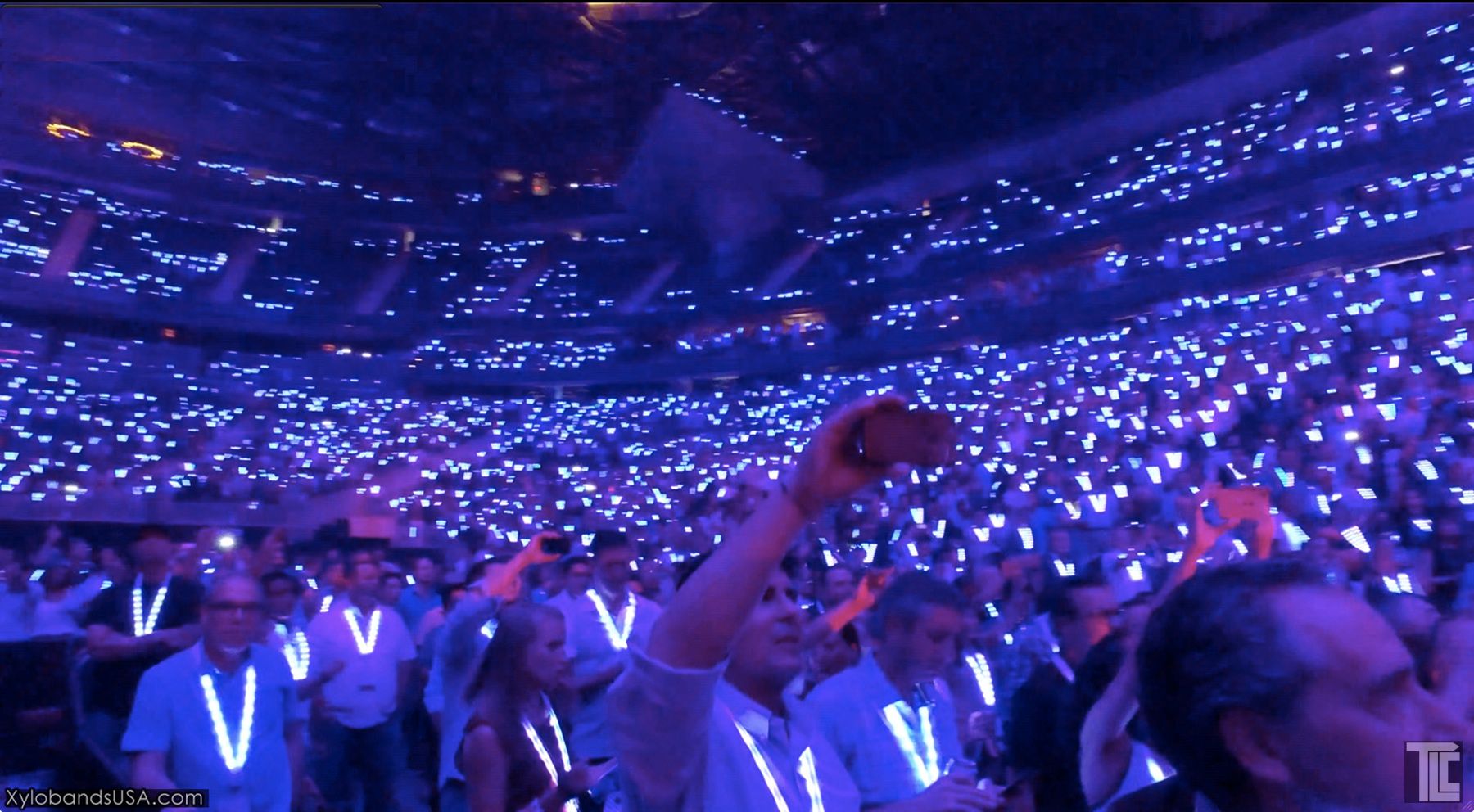
Every company begins with a spark. For Xylobands, it was a moment of inspiration at Glastonbury Festival during Coldplay’s performance of "Fix You." The lyric “Lights will guide you home” sparked a question: what if the audience itself became the light show? This single, powerful idea—to transform a passive crowd into an active, illuminated canvas—was the catalyst. But an idea, no matter how revolutionary, is only the starting point. The real work of an entrepreneur is to build a robust system around that spark—a system of technology, logistics, and people capable of delivering on the initial vision, time and time again.
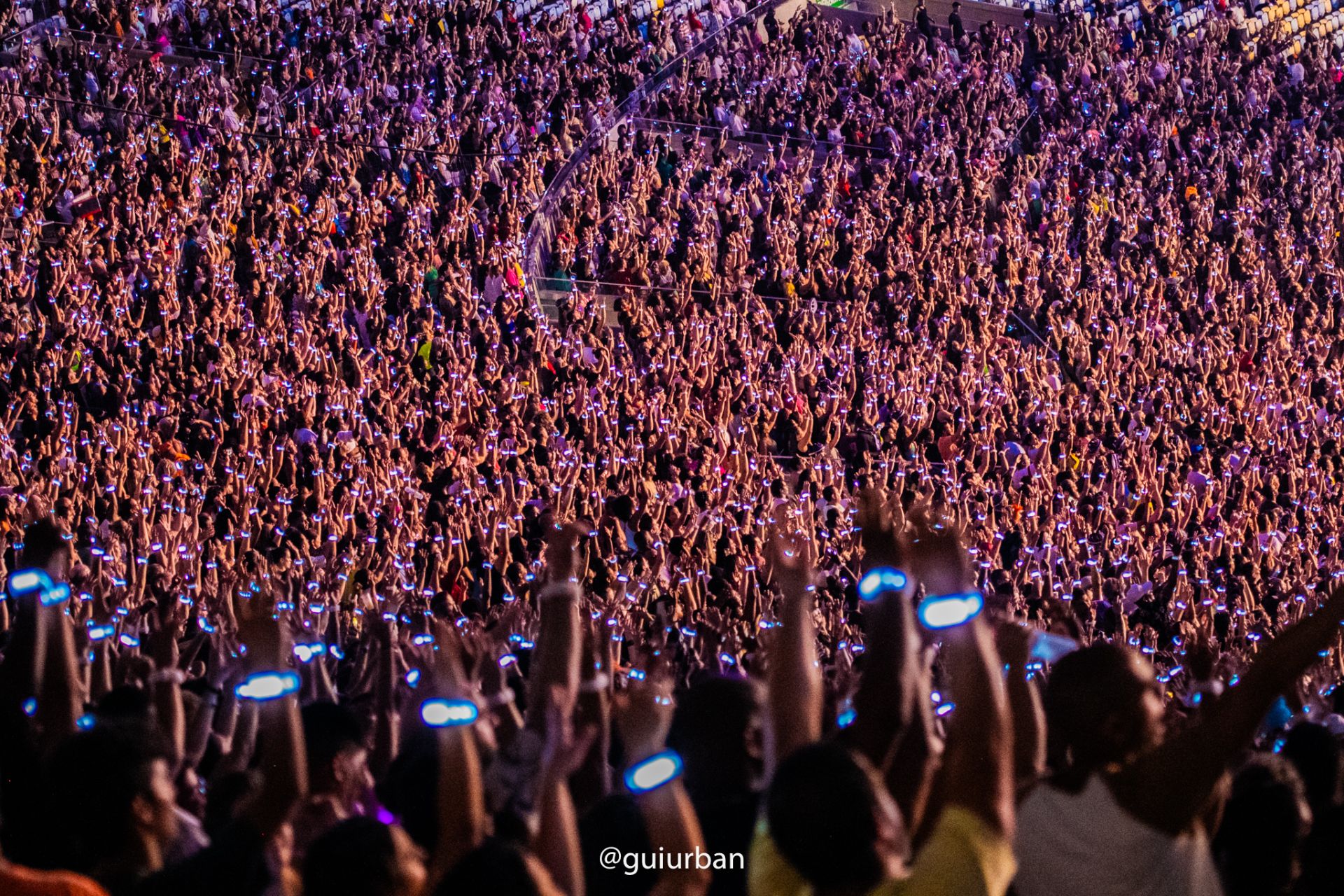
The journey from that first spark to deploying over ten million LED wristbands in over 70 countries has been a lesson in scaling not just a product, but a philosophy. The initial concept was simple: radio controlled LED wristbands that could unite an audience. Translating that into a zero-failure reality for clients like Coldplay, Formula One, and FIFA required building an operational framework that was as innovative as the technology itself. Entrepreneurship isn’t just about having the big idea; it’s about the relentless, often unseen, work of building the foundation that supports it.
Lesson 1: Innovation is a Loop, Not a Line
The first Xylobands, debuted on Coldplay’s Mylo Xyloto tour, were revolutionary. But technology never stands still. The temptation for any founder is to protect their original invention. The key to longevity, however, is to view innovation as a continuous loop of feedback, iteration, and improvement. Your clients and their audiences are your greatest R&D partners. Their challenges become your roadmap.
For example, a stadium show for an artist like Maluma presents different technical and creative demands than an intimate brand activation for Samsung or a global broadcast event like the Eurovision Song Contest. Each use case feeds back into the development cycle. This has led to an expanded ecosystem of immersive event technology, from the original Xylobands to LED Lanyards, LED Orbs, and custom pendants. We didn’t just build a wristband; we built a platform for creating LED crowd experiences. The lesson is clear: listen to the market, embrace the feedback loop, and be willing to evolve beyond your first success.
Lesson 2: Build a Culture of Zero-Failure
In the world of live events, there are no second chances. When you’re powering a moment for a global broadcast, a headline festival slot, or a high-stakes corporate event activation, the technology simply has to work. This requires building a company culture obsessed with operational excellence. A "zero-failure" mindset isn’t about being risk-averse; it’s about mitigating risk through meticulous planning, rigorous testing, and battlefield-ready logistics.
This philosophy extends from our product design to our deployment teams. It’s in the unseen hours spent mapping out RF frequencies for a complex stadium environment and in the precise choreography of distributing and activating tens of thousands of wristbands. When a client like Wizkid sells out The O2 arena for three consecutive nights, our job is to ensure that the LED experiences are flawless for every single show. Building a global brand means building a reputation for absolute reliability. Trust is your most valuable asset, and it is earned in the currency of flawless execution.
Lesson 3: Your Team is the Operating System
A founder’s vision is only as strong as the team executing it. Building a global event-tech company requires a unique blend of people: technical experts, creative thinkers, and logistical wizards. Early on, the challenge is finding multi-talented individuals who can wear many hats. As you scale, the focus shifts to building specialized teams that can operate with autonomy and precision, while remaining connected to the core mission.
The "operating system" of Xylobands is not just our software or hardware; it’s the collective expertise of our people. It’s the technician who can troubleshoot a DMX board in a high-pressure show environment, the project manager coordinating shipments across continents, and the creative designer programming a light show that feels like magic. Hiring for resilience, passion, and a deep understanding of the live experience world is non-negotiable. Technology can be replicated; a world-class team, united by a common purpose, is a far more durable competitive advantage.
Lesson 4: Think Globally, Act Locally
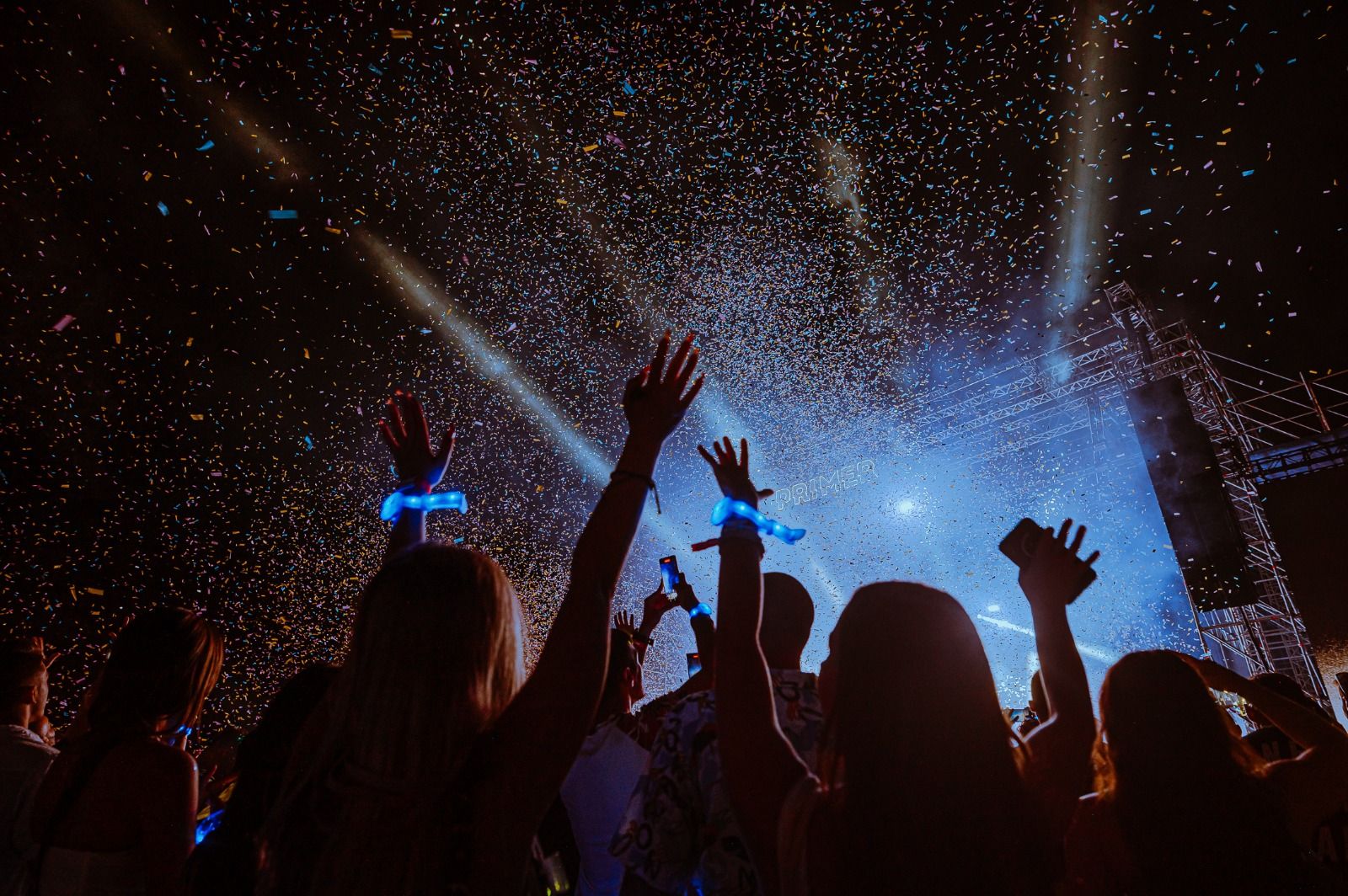
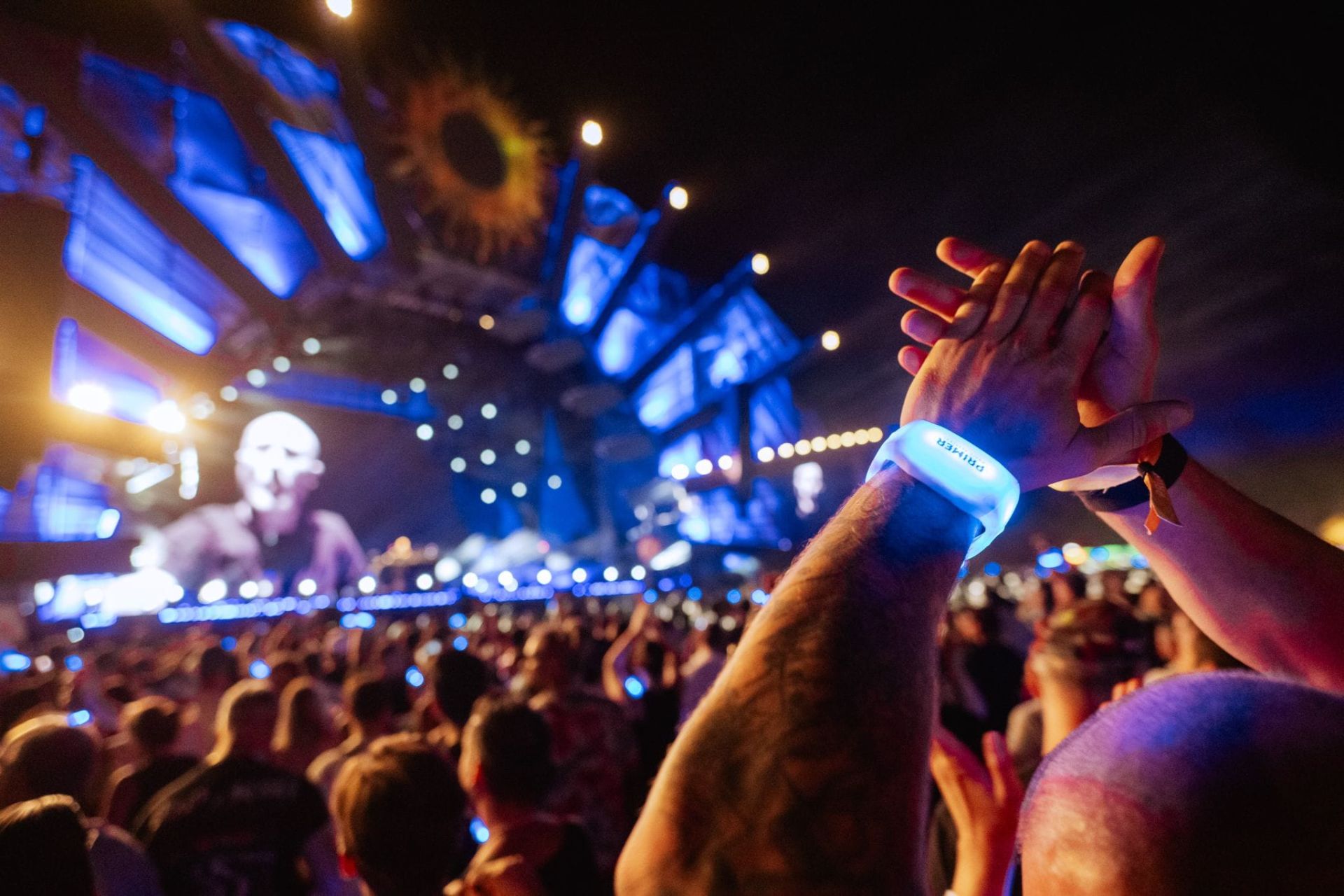
The ambition from day one was to create a global phenomenon. But scaling globally requires a deep understanding of local nuances. Powering festival wristbands for Primer in Greece involves different logistical and cultural considerations than orchestrating a fan experience for the Chicago Blackhawks in the US or a brand launch in Dubai. True global reach is built on a network of local knowledge and presence.
Building a company that lasts is about more than just the product. It’s about codifying a set of principles—a philosophy on innovation, quality, and people—that can guide the organization as it scales far beyond the founder’s initial reach.
This means understanding shipping routes, labor laws, venue protocols, and even the creative expectations of different audiences. It’s a complex, three-dimensional puzzle. The solution is a "glocal" approach: a centralized core of technology and brand standards, combined with a flexible, decentralized execution model that can adapt to local conditions. Whether it’s concert wristbands for a tour or wearable LED technology for a corporate event, the final experience must feel seamless and native to its environment.
Ultimately, the journey of building a company is the journey of turning an intangible vision into a tangible, repeatable, and scalable reality. It’s about building an unseen foundation of process, culture, and expertise. The light show the world sees is the spectacular result of that deep, foundational work.