Inventing the Future of Light: Inside the Xylobands R&D Engine
The Anatomy of a Collective Moment
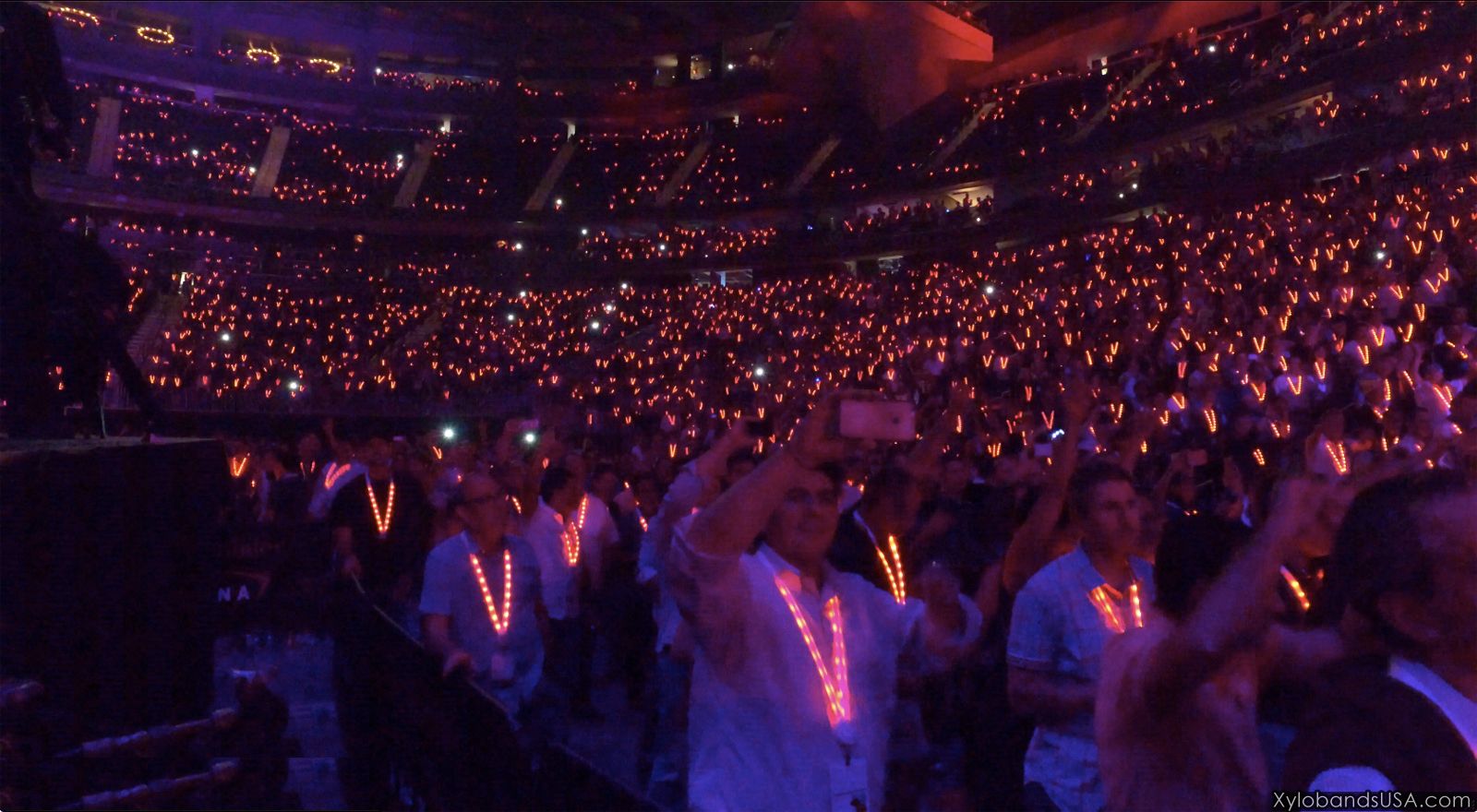
There is a moment at every great live event that defies easy description. It’s a shift in energy, a palpable current that runs through thousands of individuals, unifying them into a single, breathing entity. It can be triggered by a chord, a goal, or a shared gasp. For over a decade, Xylobands has been engineering that moment, transforming the passive spectator into an active participant through light. But creating technology that feels like magic is anything but. It is the product of a relentless, iterative, and deeply ingrained culture of research and development.
Many believe innovation is about a single, brilliant spark. In reality, that spark is merely the ignition. The real work—the deep, often unseen engineering that powers unforgettable LED crowd experiences—is an engine that never stops running. It’s a culture of asking not just “what if?” but “how, exactly?” How do you scale an idea to fill a stadium? How do you ensure it works flawlessly, every single time, in seventy countries? And how do you create a tool that is not only technically robust, but also creatively inspiring? That is the work of an R&D team obsessed with the future of light.
From a Field in Somerset to a Global Canvas
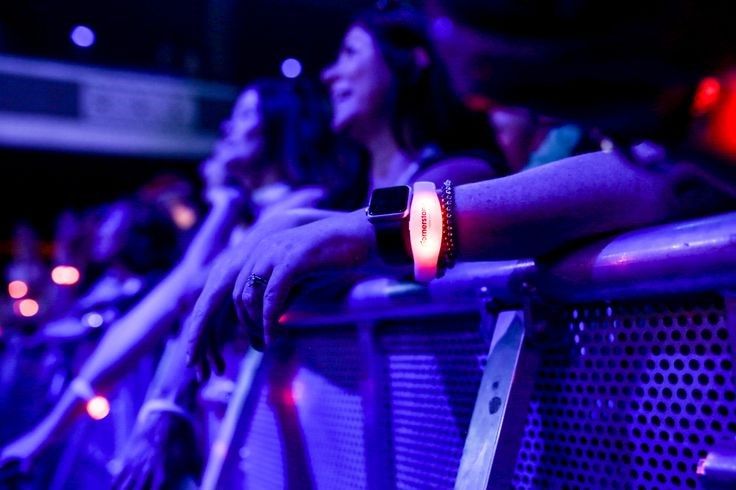
The Xylobands origin story is well known: a moment of inspiration watching Coldplay at Glastonbury, the phrase ‘Lights will guide you home’ sparking the idea for crowd-activated Glastonbury wristbands. But that moment, powerful as it was, was just the beginning. The journey from a concept to a robust, tour-ready product—the original Coldplay Xylo Band—was a gauntlet of intense research, prototyping, and engineering.
This journey laid the foundation for our R&D philosophy. The initial challenge was immense: create a reliable system of radio controlled LED wristbands that could be deployed and controlled on an epic scale. It required a mastery of radio frequency technology, battery life optimization, and durable, wearable design. This process of invention and refinement became the company’s DNA. It established that a good idea is only as powerful as the engineering that brings it to life. This foundational work is what separates a novelty from a revolution in immersive event technology.
The Culture of “And”: Engineering for Creative Ambition
A true R&D culture thrives on solving problems. In the world of live events, those problems are often posed by the most creative minds in the industry. The goal is not simply to manufacture LED bands, but to create a flexible, powerful canvas for lighting designers, show producers, and brand marketers. The work is not just technical; it is translational. It’s about turning a creative vision into a technical reality.
This requires a culture of “and.” We need our LED wearables to be both durable and elegant. The system must be both powerful and intuitive. The technology must support both the grand, sweeping gesture across a stadium and the subtle, targeted brand moment. When Formula 1 sought to celebrate its 75th anniversary, the challenge wasn't just to light up an arena. It was to create a custom XyloPendant with multiple branding options, then map their physical distribution to pre-visualized lighting designs. This is where engineering and creative artistry merge, resulting in powerful corporate event activations that feel both personal and monumental.
From the roaring stadiums of the Davis Cup to the high-energy beats of PRIMER Festival, the core technology must be adaptable. It’s this constant pressure from the world’s leading creatives that drives our R&D forward, pushing us to refine and expand the capabilities of our platform.
The Feedback Loop: From the Field to the Lab
Innovation at this level cannot happen in a vacuum. Every event is a laboratory. Every deployment—from a stadium tour for Wizkid or Maluma to a high-stakes TV broadcast for ITV’s ‘Beat The Chasers’—generates invaluable data and practical insights. This feedback loop, from the field back to the engineering team, is the lifeblood of our R&D process.
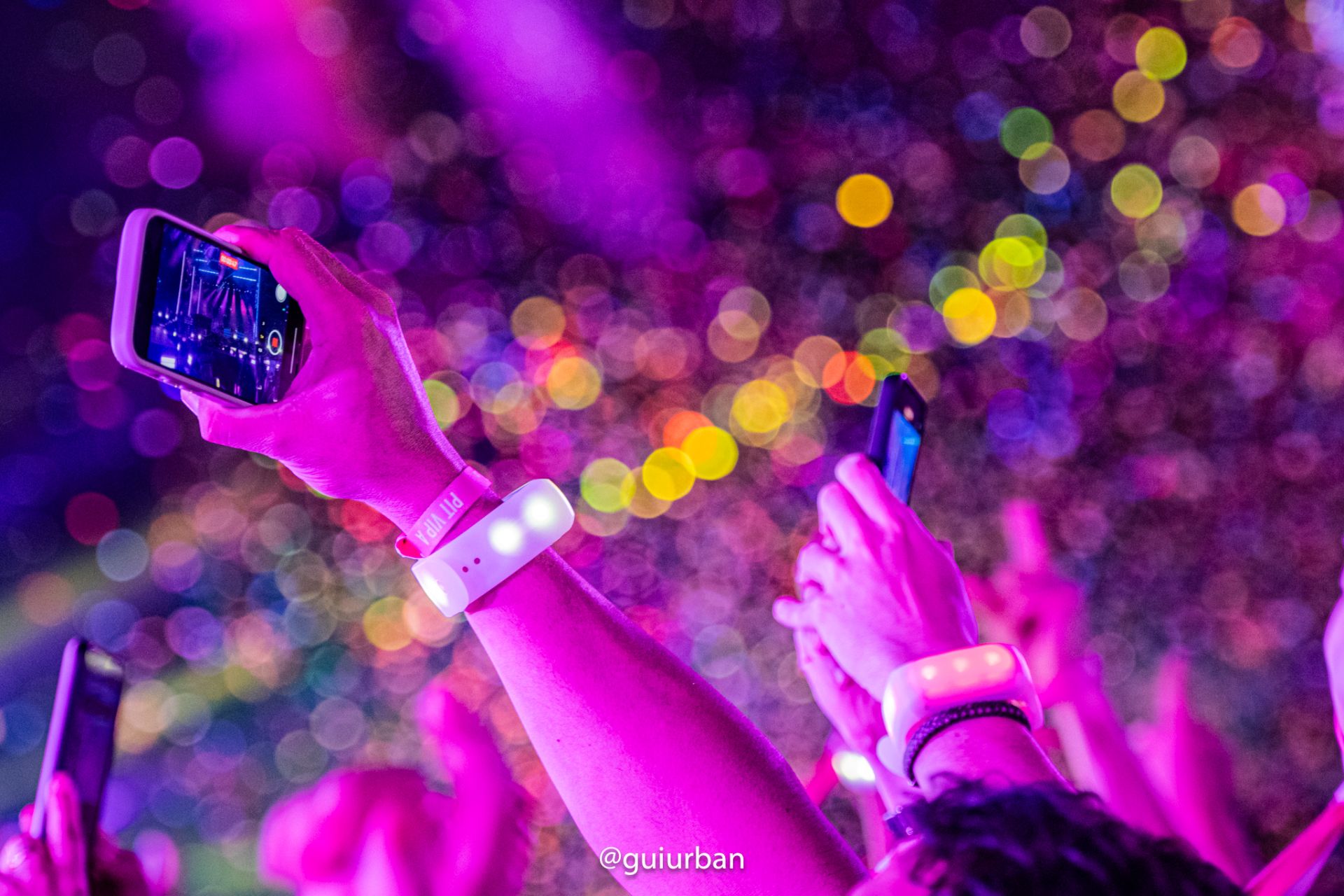
We learn about RF performance in challenging environments, about the physical stresses on concert wristbands over a multi-night run, and about new ways lighting designers are using our software. This intelligence fuels the next generation of our products. The debut of the Xyloband Lite on Wizkid’s tour was the direct result of understanding the need for different form factors. The development of custom shapes, from LED lanyards to illuminated pendants and LED orbs, comes from listening to clients like NASA and Nike who want to integrate our technology in unique ways.
This iterative process ensures that our technology is not static. It is constantly evolving, becoming more efficient, more versatile, and more powerful. It’s how we move from the MK1 wristband to the MK5, and how we expand the ecosystem of LED event technology to offer a richer palette for creating truly immersive events.
Inventing What’s Next
The ultimate goal of a strong R&D culture is not to perfect the present, but to invent the future. It’s a deep-seated belief that the most incredible LED experiences are yet to be imagined. Our engineering team is driven by this forward-looking vision, constantly exploring new materials, more efficient power sources, and more sophisticated control protocols. The work is about anticipating the needs of the next wave of live and broadcast spectacles.
To lead in wearable LED technology is to be in a permanent state of invention. It means fostering an environment where technical curiosity is encouraged, where failure is a data point, and where the answer to “Can we do this?” is almost always “Yes, and here’s how.” It is this restless, forward-thinking engine that turns a spark of an idea into a global phenomenon, ensuring that for audiences and artists around the world, the future is always bright.