The Unseen Journey: Navigating the Global Logistics of Live Spectacles

The Silent Symphony of Movement
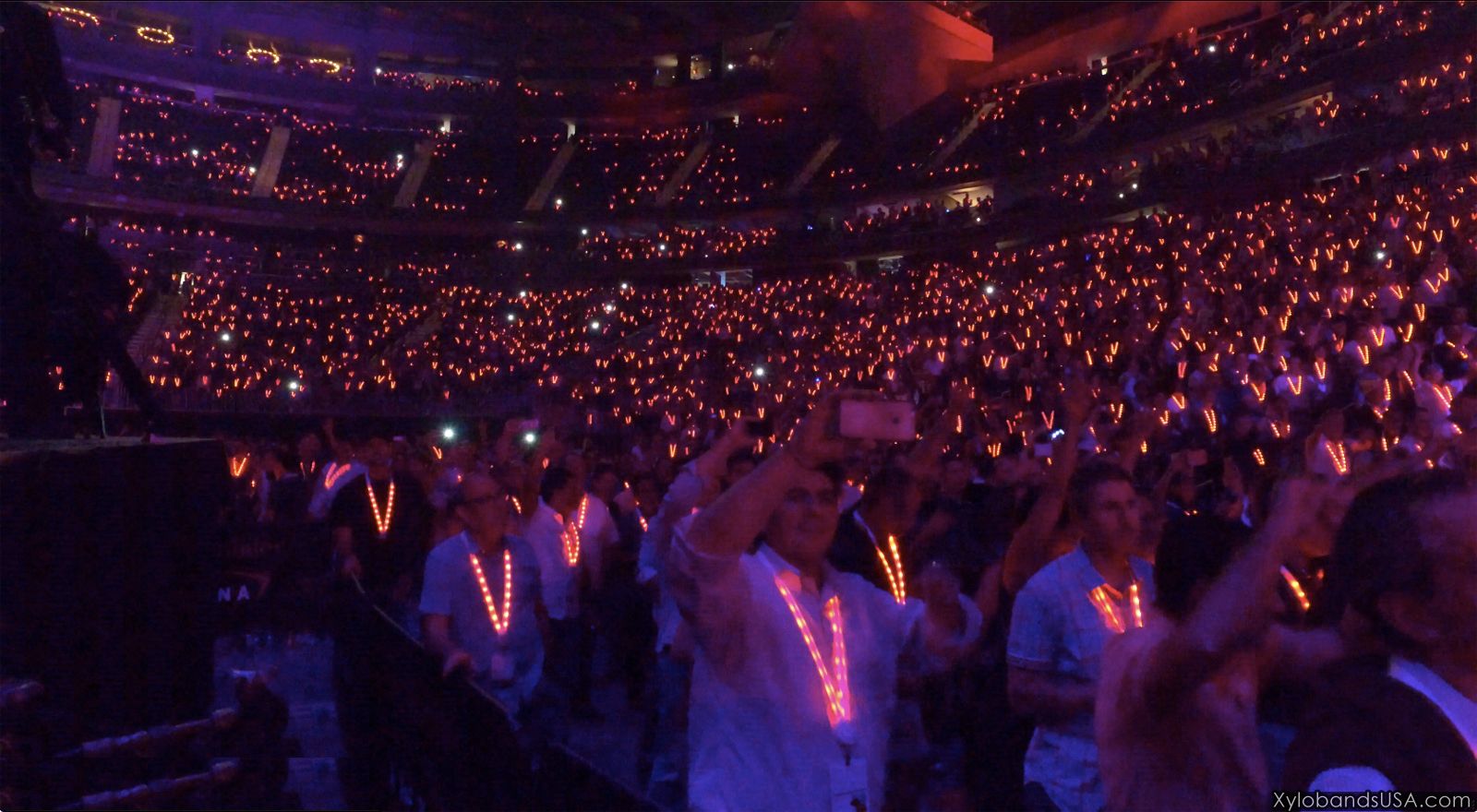
The house lights dim. A roar erupts from fifty thousand people as one. A single point of light pierces the darkness, then another, and another, until the entire stadium is a pulsating, living canvas of color. For the audience, this is a moment of pure magic, an experience that feels both intimately personal and monumentally collective. But behind this spectacle lies another, equally complex performance: a silent, intricate ballet of logistics, engineering, and sheer human will that spans continents and time zones.
Bringing a large-scale tour or a global event series to life is an undertaking of immense complexity. While the artists, athletes, and performers are the face of the show, a vast, unseen engine of operations is at work months, and sometimes years, in advance. This is the world of global touring operations—a high-stakes domain of freight, customs, and relentless problem-solving, where the show’s success is measured not in applause, but in seamless execution.
The Global Chessboard: More Than Just Freight
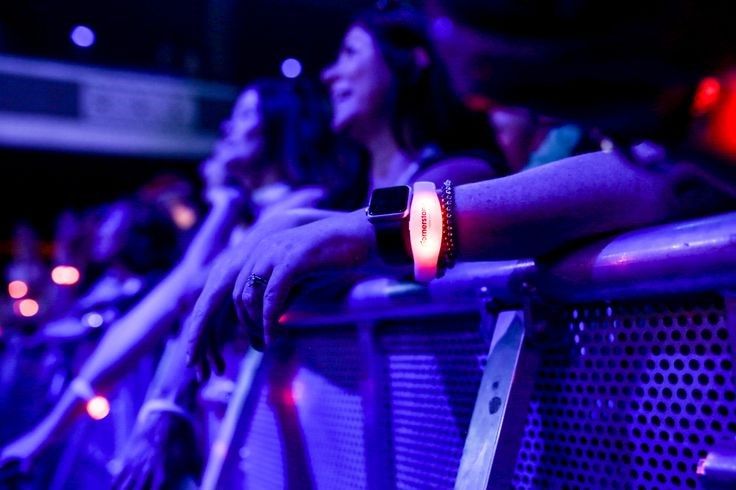
At its core, tour logistics is about moving equipment from Point A to Point B. But when those points span multiple countries, each with its own regulations, languages, and infrastructure, the challenge becomes exponentially greater. It’s a global chessboard where every piece—from massive stage structures and sensitive audio-visual gear to thousands of custom LED wristbands—must arrive at the right place, at the right time, in perfect condition.
For a company like Xylobands, which has powered events in over 70 countries, mastering this is fundamental. Our teams don’t just ship boxes; they orchestrate a global supply chain fine-tuned for the pressures of live entertainment. This involves:
- Strategic Freight Planning: Choosing between air, sea, and land freight is a strategic decision balancing speed, cost, and reliability. For a multi-date arena tour, air freight might be essential for a tight turnaround. For a major one-off event like the Formula One 75th Anniversary celebration, a combination of freight solutions might be used to ensure that 13,000 custom XyloPendants and all the requisite control technology are in place.
- Customs and Carnets: Navigating international customs is one of the most significant hurdles in global touring. An ATA Carnet, often called a "passport for goods," is an indispensable tool, allowing for the temporary importation of equipment without duties or taxes. However, expertise is crucial. A single error in paperwork, a miscategorized item, or a misunderstanding of a local regulation can lead to catastrophic delays, holding essential equipment in a warehouse miles from the venue while the clock is ticking.
- Last-Mile Delivery: Getting a container to the destination port is only half the battle. The "last mile"—the journey from the port or airport to the venue itself—is fraught with its own challenges, from local transport strikes and road closures to navigating the complex back-of-house logistics of a stadium or arena.
The Human Element: The Real Engine of the Tour
Technology and process are vital, but the true lynchpin of global logistics is people. It’s the network of trusted partners, the local fixers, the experienced freight forwarders, and the tour’s own logistics managers who possess an encyclopedic knowledge of how the world works. They are the unsung heroes who anticipate the storm, who know who to call when a shipment is stuck in customs in a country halfway across the world, and who can MacGyver a solution at a moment’s notice.
This human network is built on years of experience and trust. When Xylobands technology was used to light up audiences for Maluma’s historic Medellín concert, streamed live to 240 countries, the logistical operation was as critical as the broadcast technology. It required seamless collaboration between our UK headquarters, our boots-on-the-ground technical team, and local partners in Colombia to ensure every piece of Immersive Event Technology was accounted for and operational.
Case Study in Motion: The Harlem Globetrotters
Few organizations understand the rigors of touring better than the Harlem Globetrotters. Their relentless schedule of games across the globe is a masterclass in logistical efficiency. While the spectacle on the court looks effortless, the operation behind it is a non-stop cycle of packing, shipping, and setting up. Integrating a new layer of technology, such as LED Crowd Experiences, into this well-oiled machine demands a partner who understands the rhythm and constraints of such a tour. The technology must be robust, easy to deploy, and, crucially, backed by a logistical framework that guarantees it will be where it needs to be, every single time.
Designing for the Road: Technology That Travels
The challenges of global logistics have a profound impact on the design and engineering of the technology itself. Products destined for global tours cannot be fragile or overly complex to deploy. They must be built for the realities of the road.
At Xylobands, our R&D process is intrinsically linked to our logistical experience. We design our systems—from the Radio Controlled LED Wristbands themselves to the transmitters and software—with deployment in mind. This means:
- Modularity and Scalability: Our systems are designed to be scaled up or down, whether for an intimate corporate event or a stadium of 80,000. This modularity makes packing and shipping more efficient.
- Robustness and Reliability: A wristband that fails after being shipped across the ocean is useless. We build our LED Wearables to withstand the rigors of travel, ensuring they arrive in perfect working order. The success of events like the PRIMER Music Festival in Greece depends on this reliability.
- Ease of Deployment: Venue staff and local crews need to be able to get our systems up and running quickly. Intuitive design and clear instructions are paramount, minimizing the need for extensive on-site engineering and reducing the margin for error.
The Final Mile: From Crate to Crowd
Ultimately, the entire logistical chain culminates in a single moment: the distribution of the technology to the audience. This final step is a logistical challenge in itself, a process of "distro" that requires its own strategic plan. How do you get 50,000 Concert Wristbands onto 50,000 wrists in the two hours before a show? How do you segment seating blocks for different lighting effects, as was done at the F1 75 event? It’s the final, critical link in a chain that stretches back months and spans thousands of miles.
The next time you find yourself part of a massive, synchronized light show, a moment of pure, immersive connection, take a second to appreciate the unseen journey. Consider the silent symphony of movement, the global network of professionals, and the incredible logistical choreography that brought that spark of light from a factory, across borders and oceans, and onto your wrist. It is a testament to the passion, precision, and relentless dedication that makes the world’s greatest live experiences possible.